Pediatric Dermatology: Science-Backed Care for Your Baby's Skin
Baby skin is not just miniature adult skin, it is thinner, loses moisture faster, and requires a completely different approach. We help you move past confusing online advice and harmful home remedies toward a safe, effective routine that actually protects your little one.
This video highlights the core message for parents: what looks like soft, perfect skin is medically very delicate. Every product and routine matters, which is why I focus on educating parents on safe infant skin care.
Diaper rash is more than just redness; it is a warning sign that your baby's skin barrier is breaking down. I help parents understand how to protect this delicate area and treat rashes effectively to prevent further damage.
It is a critical fact: baby skin is not a smaller version of adult skin. It is thinner and absorbs chemicals more easily, which is why adult products can be harmful. I always advise using products specifically formulated for infants.
Skipping moisturizer on a baby is a big mistake that can lead to invisible cracks and infections. I recommend applying a thick, fragrance-free cream within three minutes of bathing to lock in moisture and protect the skin barrier.
This graphic clearly shows why adult products, even herbal or homemade remedies, can harm a baby's sensitive skin. Their immature skin defense system cannot handle the ingredients, leading to rashes and allergies.
About Pediatric Dermatology: Gentle Care for Little Ones
Avoid the common mistake of waiting too long to apply moisturizer. If you wait for your baby to dry off completely after a bath, you are already losing vital hydration. We teach parents the exact 3-minute window to layer products to maintain the skin barrier, specifically addressing common triggers like diaper rash and eczema that often stem from well-intentioned but incorrect product choices.
Why Baby Skin Needs Specialized Care
Many parents assume baby products found on supermarket shelves are safe. Unfortunately, harsh fragrances, essential oils, and even some 'herbal' homemade remedies can cause severe allergic reactions. Baby skin has an immature defense system, making it highly susceptible to chemicals.
Our Approach to Pediatric Dermatology
At SkinSpace Clinic, we prioritize science over trends. Our management plans for pediatric skin focus on:
- Barrier Repair: We assess your child's current products and eliminate potential irritants that could be causing dryness or rashes.
- Steroid-Sparing Management: We focus on non-steroidal management strategies to treat inflammation without the long-term risks associated with over-using steroids on thin, sensitive skin.
- Practical Education: Whether it is diaper rash, atopic dermatitis (childhood eczema), or cradle cap, we provide clear instructions on bathing temperatures, appropriate cleansers, and how to spot the early warning signs of infection.
Moving Beyond Google
We see many cases where parents attempt to treat fungal infections or eczema using over-the-counter steroid creams found online. This often makes the condition worse, leading to 'steroid addiction' or permanent thinning of the skin. Our goal is to diagnose the root cause—be it environmental triggers, gut health, or product sensitivity—and create a customized, safe plan that restores your baby's comfort. We are here to help you navigate the confusing world of infant skincare with medical facts, not myths.
Similar work from other experts
Browse through Curated picks from other experts on mytribe
 9
9
Pediatric Dermatology Services
Targeted Treatments for Specific Skin and Hair Concerns
Specialized Skincare Advice for Every Life Stage
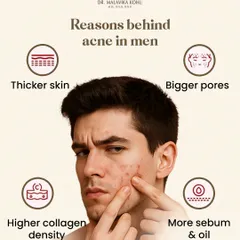
Specialized Skincare Advice for Every Life Stage
 9
9


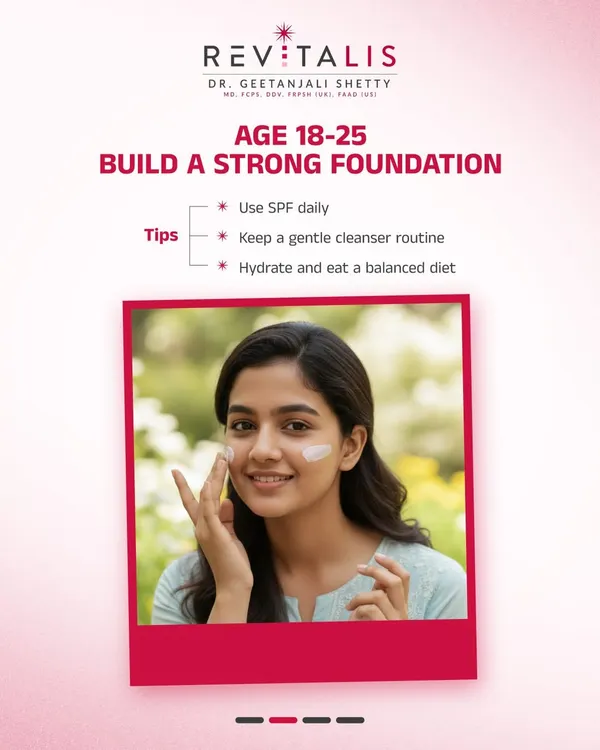
Skincare Through Life's Stages: Expert Advice for Every Age
 6
6
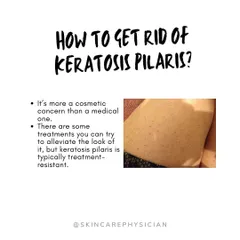
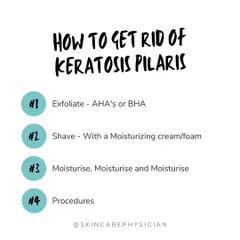
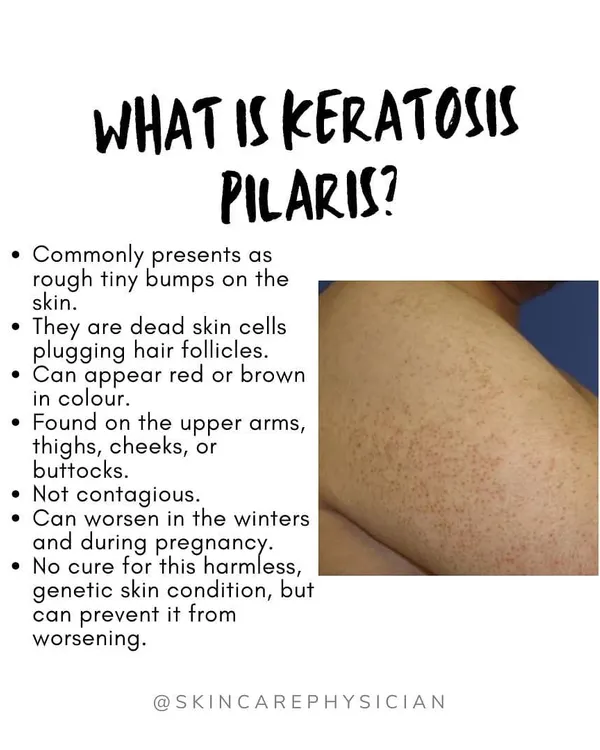
Keratosis Pilaris Management and Skin Health
More from Medical & Pediatric Dermatology by SkinSpace Clinic