Keratosis Pilaris Management and Skin Health
Understand the causes of Keratosis Pilaris, or strawberry skin, and discover evidence-based ways to improve your skin texture.
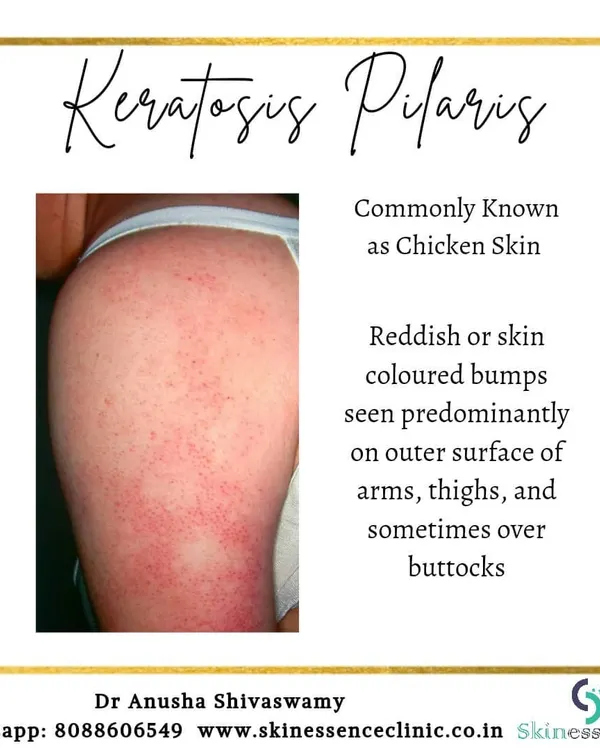
Keratosis Pilaris, often called 'chicken skin' or 'strawberry skin', presents as tiny, rough bumps on the upper arms, thighs, or cheeks. It's caused by dead skin cells plugging hair follicles.
Who gets Keratosis Pilaris? It's very common in people with dry skin, eczema, or a genetic predisposition. It often appears during childhood or adolescence and can worsen in winter.
While there is no cure for this harmless genetic condition, there are effective treatments to manage its appearance and improve skin texture.
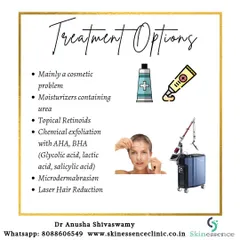
The four key steps to managing Keratosis Pilaris are: exfoliate with AHAs or BHAs, shave gently, moisturize consistently, and consider in-office procedures for resistant cases.
Chemical exfoliants containing salicylic, lactic, or glycolic acid are key to treatment. I advise against physical scrubs, which can cause more inflammation and redness.
Moisturizing is non-negotiable for managing Keratosis Pilaris. I recommend fragrance-free lotions, especially those containing urea, to soften the skin and reduce bumpiness.
About Targeting Specific Skin Concerns
Many people try to scrub away the rough bumps of Keratosis Pilaris, but this usually causes more inflammation and redness. My approach focuses on gentle chemical exfoliation and deep hydration to help your skin texture improve over time. During a consultation, we look at your current routine and identify which ingredients might be making the texture worse, so we can pivot to a plan that actually delivers results.
Keratosis Pilaris, often called strawberry skin, is a common genetic condition that happens when dead skin cells plug your hair follicles. It is not harmful, but it can be frustrating to deal with, especially on the arms, thighs, and cheeks. I see many patients who have spent years using physical scrubs and loofahs hoping for smooth skin, only to find the condition worsens or becomes more inflamed.
Effective management starts with stopping the aggressive exfoliation. Instead, we look at:
- Chemical Exfoliation: Incorporating ingredients like lactic acid, glycolic acid, or salicylic acid helps dissolve the keratin plugs gently. These AHAs and BHAs work much better than physical scrubbing to smooth out the skin texture.
- Deep Hydration: Dry skin makes KP more obvious. I recommend fragrance-free lotions containing urea or lactic acid to soften the skin barrier consistently.
- Professional Assessment: For persistent cases, in-clinic treatments like chemical peels can provide deeper results.
Because KP is a chronic condition, there is no overnight cure. Success is measured by consistent routine management. Whether you are managing this at home or looking for professional intervention, the goal is to calm the inflammation and improve the skin's texture over time. If you are struggling with recurring breakouts or rough skin, a quick dermatoscope examination at my clinic in HSR Layout can help us tailor a routine that works for your specific skin type.
Similar work from other experts
Browse through Curated picks from other experts on mytribe
Managing Skin Conditions: Science-Backed Advice for Warts, Keloids & More


Effective Solutions for Common Skin Concerns
 12
12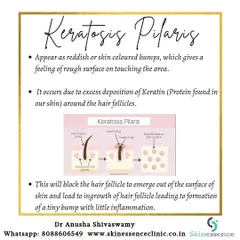

Understanding Common Skin Conditions and Rashes
Effective Treatments for Body & Specialized Skin Concerns
Targeted Solutions for Dark Circles, Lips & Body Pigmentation

Understanding the Science Behind Your Skin
More from General Dermatology Consultation by Poovamma A S
More services by Poovamma A S