Expert Diagnosis for Eczema and Skin Rashes in Mumbai
Unexplained skin inflammation, recurring rashes, or persistent eczema often stem from underlying triggers that go beyond the surface. My practice focuses on accurate, evidence-based diagnosis to identify the root cause of your skin condition.
Xerotic Eczema, also known as winter eczema, is characterized by dry, itchy, and cracked skin. This video provides an overview of who is most susceptible, including those with naturally dry skin, and offers practical tips for managing the condition, such as using rich moisturizers and avoiding hot showers.
A red rash around the mouth area may not be acne; it could be Perioral Dermatitis. This inflammatory condition is common and often mistaken for other issues, requiring a specific diagnosis for effective treatment.
Perioral Dermatitis is often triggered by dryness combined with habits like constant lip licking or the overuse of thick, scented lip balms. The result is an inflammatory reaction involving a mix of bacteria, yeast, and mites, presenting as tiny red bumps around the mouth.
Simple fixes for Perioral Dermatitis include stopping the habit of lip licking, which perpetuates the irritation cycle. I also advise simplifying lip care to plain, unflavored petroleum jelly and strictly avoiding the use of steroid creams, which can worsen the condition.
A sudden onset of generalized body itchiness, or pruritus, during winter is often due to the "dry spell effect." The rapid drop in humidity causes the skin barrier to crack and lose moisture, leading to irritation.
The primary cause of winter itch is transepidermal water loss. When the air dries out, moisture evaporates from the skin, compromising the skin barrier. This leads to unexplained itchiness, often without a visible rash at first.
To manage winter itch, I recommend three simple rules. Avoid scorching hot showers, switch to a soap-free, pH-balanced body wash, and apply a thick, ceramide-rich cream within three minutes of showering to lock in moisture.
Hives, or urticaria, are itchy, raised welts that appear on the skin. They are a common skin reaction and can vary in size from small bumps to large, coalescing patches.
Hives are most often triggered by an allergic reaction. Common culprits include certain foods, medications, and insect stings. In some cases, stress can also be a significant trigger for an urticarial flare.
The primary symptoms of hives include itchy, raised welts and surrounding redness. Some individuals may also experience swelling (angioedema) or a burning or stinging sensation in the affected areas.
About Eczema, Rashes, and Skin Inflammation
Many patients arrive at my clinic having used various over-the-counter creams without success because they are masking symptoms rather than addressing the cause. My approach begins with a comprehensive diagnostic session, often utilizing digital dermoscopy to visualize subsurface skin layers. Whether it is perioral dermatitis confused for acne or xerotic eczema triggered by environmental factors, identifying the correct medical classification is the first step toward effective relief.
Inflammatory skin conditions require a systematic, diagnosis-first approach rather than generalized treatment. In my practice at Peddar Road and Khar West, I address a wide range of concerns including eczema, dermatitis, and urticaria (hives) by looking at your medical history, lifestyle triggers, and clinical presentation.
Understanding Your Skin Concerns
-
Perioral Dermatitis: Often misdiagnosed as acne, this condition presents as tiny red bumps around the mouth. It is frequently exacerbated by habits like constant lip licking or the use of heavy, scented balms. One of the most critical steps I advise is the immediate cessation of topical steroid use, which often worsens this specific inflammation.
-
Xerotic Eczema: Also known as winter eczema, this condition occurs when the skin barrier is compromised, typically due to low humidity. The resulting transepidermal water loss leads to intense itching, cracking, and redness. Management focuses on repairing the barrier function using soap-free, pH-balanced cleansers and ceramide-rich moisturizers applied immediately after showering.
-
Hives (Urticaria): These are raised, itchy welts that can appear suddenly. While often linked to allergic reactions involving foods, medications, or insect stings, chronic cases can also be influenced by stress. My focus is on identifying the specific trigger while managing symptoms to prevent recurrence.
My Diagnostic Approach
I believe in breaking down the 'why' for my patients. During a consultation, we explore the history of your rash to differentiate between allergic responses and environmental irritants. I utilize tools like dermoscopy to inspect the skin at a magnified level, which allows for a precise diagnosis. Once we understand the nature of the inflammation, we move to a targeted regimen, which may involve specialized topicals, lifestyle audits, and, when necessary, systemic medications. My goal is to calm the inflammation and restore the skin's natural barrier, ensuring long-term health rather than just temporary suppression of symptoms.
Similar work from other experts
Browse through Curated picks from other experts on mytribe
 14
14
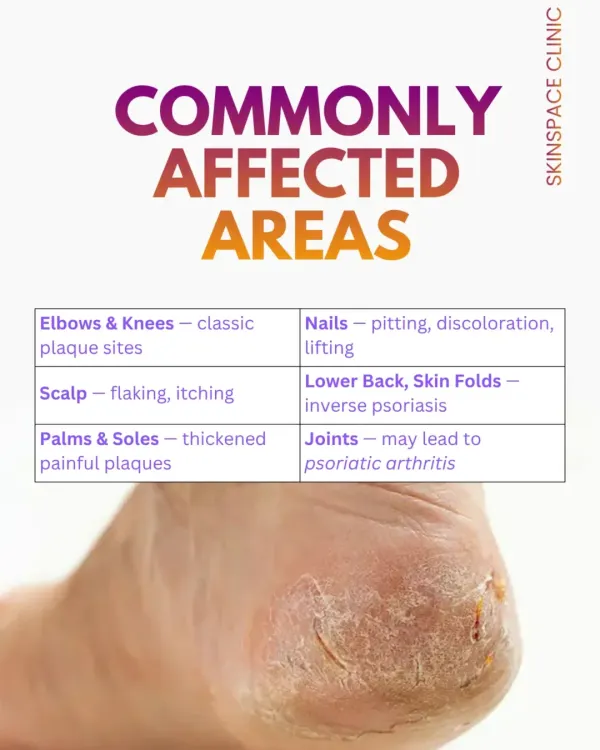
Evidence-Based Psoriasis and Eczema Treatment in Mumbai
 11
11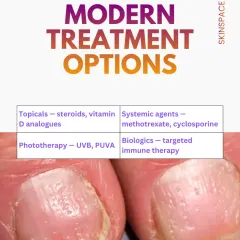

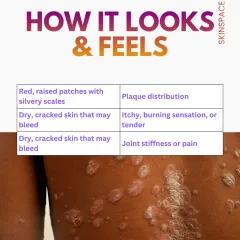
Science-Based Psoriasis Management
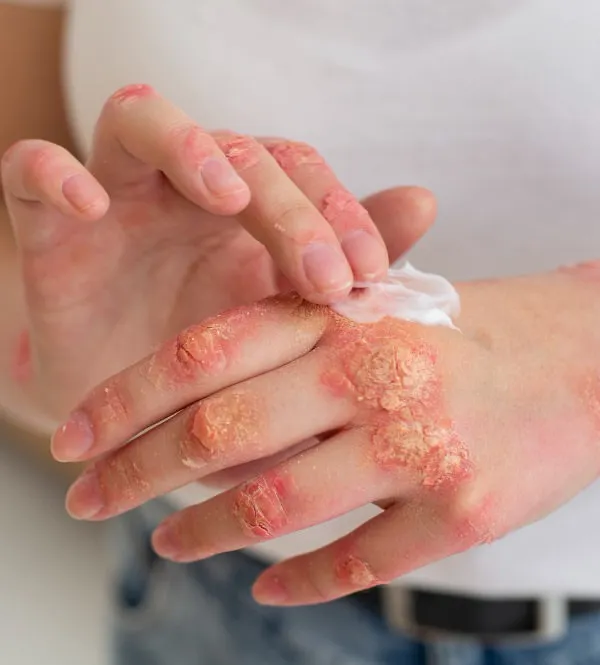
Effective Treatment for Common Skin Infections & Allergies
 15
15
Expert Care for Chronic Skin Conditions
 5
5


Ayurvedic Treatment for Skin Conditions

Accurate Diagnosis for Skin Infections and Conditions
More from Medical Dermatology by Malavika Kohli
More services by Malavika Kohli