Managing Skin Conditions: Science-Backed Advice for Warts, Keloids & More
Don't guess what your skin is trying to tell you. From persistent warts to 'chicken skin' and stubborn flaky patches, here is how to identify and manage common skin concerns without harmful DIY experiments.
This patient developed viral warts on his jawline after a salon shave. I explain the difference between contagious viral warts, which require treatment, and benign skin tags, which are harmless overgrowths of skin.
This video shows the surgical removal of a plantar wart on the sole of the foot. It's important to have these treated as they are caused by a virus and can spread or become painful when walking.
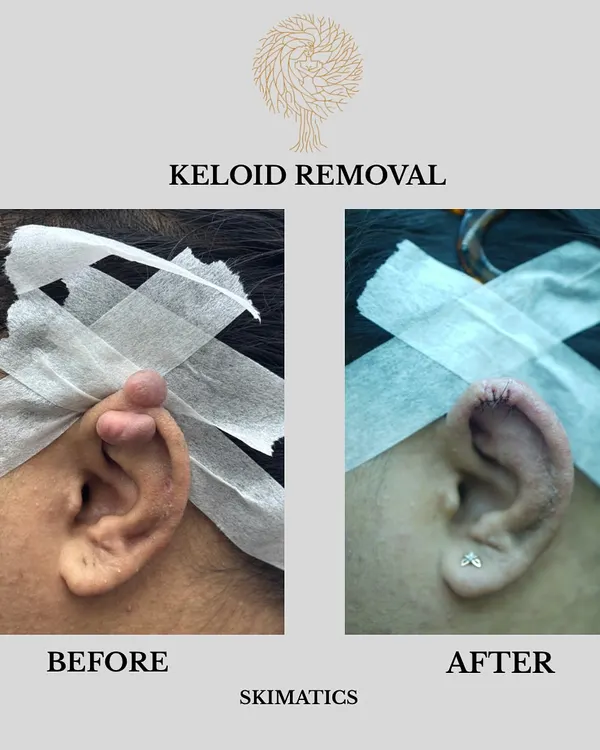
Keloids are raised scars that form due to abnormal wound healing. While many think they are untreatable, options like silicone gels for early keloids and in-clinic injections or cryotherapy for older ones can be very effective.
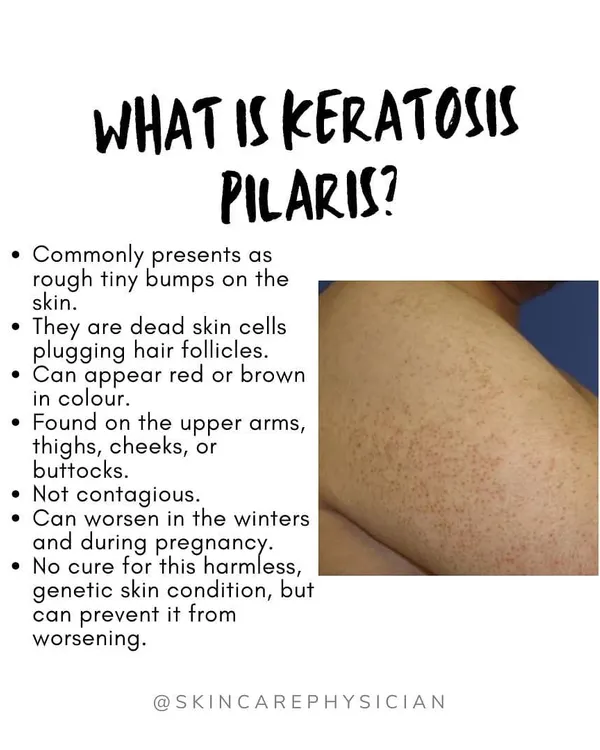
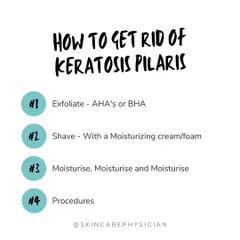
Keratosis pilaris, or "chicken skin," is caused by a buildup of dead skin cells around hair follicles. I share three tips to manage it: use a body wash with salicylic acid, moisturize with a urea-based lotion, and avoid over-scrubbing.
Those dry, flaky patches on your nose corners or scalp are often not just dry skin. It's likely seborrheic dermatitis, a form of dandruff caused by excess oil. The solution is frequent washing, not more oil.
Your hotel stay could be a source of skin infections like scabies, fungal infections, or even acne. I share practical tips like carrying your own toiletries and pillow cover to reduce your risk while traveling.
If you frequently get manicures or pedicures, there are a few things to watch out for. I advise checking the tool hygiene, avoiding aggressive cuticle pushing, and opting for square-edged toenail trims to prevent ingrown nails.
If you experience itching or irritation after using hair dye, you may have an allergy to a chemical called PPD. I explain why ammonia-free dyes may not solve the problem and recommend some PPD-free alternatives.
Using talcum or compact powder to control oil can sometimes backfire and trigger acne. I share three tips on how to use face powders correctly, such as applying them over sunscreen and only on oily zones like the T-zone.
Some of your skincare medications, like steroid creams or anti-acne antibiotics, may stop working over time. This can be due to tachyphylaxis or bacterial resistance, and it may be time to consult your dermatologist to upgrade your treatment.
About Treating Specific Skin Concerns
The biggest mistake I see in my clinic is people confusing viral warts with benign skin tags. While skin tags are harmless, viral warts are infectious and can spread if you try to 'shave' or scrub them off at home. If you are using home remedies on a skin lesion that keeps growing, you risk infecting your own skin or others. Stop the DIY experiments and let us get you a clear diagnosis first.
Understanding Your Skin's Signals
Many common skin issues are frequently misdiagnosed at home, leading to ineffective treatments or, worse, worsening of the condition.
-
Viral Warts vs. Skin Tags: People often use these terms interchangeably, but they are entirely different. Warts are caused by the human papillomavirus (HPV) and require professional medical intervention to prevent spread. Skin tags are benign outgrowths. Treating a wart like a skin tag can cause it to spread rapidly across your skin. If you have a growing lesion, please get it assessed.
-
Keratosis Pilaris ('Chicken Skin'): Those tiny, rough bumps on your upper arms or thighs are not caused by a lack of scrubbing. They are caused by a buildup of keratin in your hair follicles. Over-scrubbing with a loofah actually inflames the skin and makes it worse. I recommend using gentle keratolytics like salicylic acid washes and urea-based moisturizers to soften the texture.
-
Seborrheic Dermatitis: Those flakes on your nose corners, eyebrows, or scalp? They are often not 'dry skin.' In fact, applying heavy oils or butter will only feed the yeast and inflammation that causes this condition. We need to clear the oil buildup first, not moisturize over it.
-
Keloids: These are raised, stubborn scars caused by abnormal healing. Many patients believe they are permanent, but we have protocols for these. Depending on how old the keloid is, we use intralesional injections, cryotherapy, or specialized silicone dressings to flatten them.
Why Professional Assessment Matters
Whether you are dealing with a mole that is changing shape, or chronic irritation from travel or grooming, there is usually a science-backed solution. At Aiconic Skin Clinic in HSR Layout, we focus on diagnosing the root cause. We do not believe in 'one size fits all' advice. Every treatment plan is tailored to your specific skin type and the condition at hand. If you have been struggling with a persistent skin issue, let's stop the guesswork and get it resolved safely.
Similar work from other experts
Browse through Curated picks from other experts on mytribe
 6
6
Keratosis Pilaris Management and Skin Health
Common Skin Concerns & Professional Treatment Plans
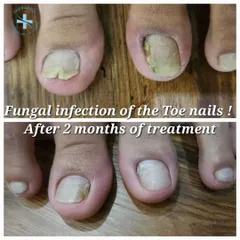
Warts, Skin Tag & Nail Infection Treatment


Effective Solutions for Common Skin Concerns
 6
6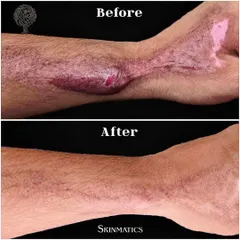
Scar and Skin Growth Removal
Effective Treatments for Body & Specialized Skin Concerns
More from Medical Dermatology & Consultation by Namrata Singh
More services by Namrata Singh