Common Skincare Myths Debunked by a Dermatologist
Stop scrolling past viral DIY trends. Get the science-backed facts on what actually works for your skin—and what you should avoid at all costs.
This patient suffered chemical burns from using garlic juice on her acne, a so-called "natural" remedy. This is a stark warning against trying unverified DIY hacks you see online. Always trust science, not trends.
It's easy to fall for "quick glow" tips and magic formulas online. The truth is, everyone's skin is different. The only two people who know your skin best are you and your dermatologist, so trust that partnership.
A very common myth is that natural ingredients are always safe. Ingredients like lemon, clove, and even turmeric can cause burns and rashes, especially on sensitive skin. Safe skincare is about formulation science.
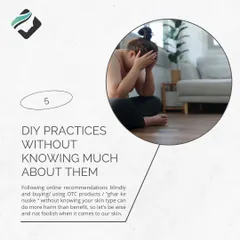
I'm reacting to some viral skincare trends that we should leave behind. At-home microneedling, coffee scrubs, and melting collagen masks often overpromise and can even damage your skin barrier.
It can be tricky for a dermatologist when a patient trusts their home pack of honey and lemon more than a medical prescription. While I understand the appeal of natural remedies, they can sometimes make acne worse.
After 10 years of medical study, I sometimes find myself convincing a patient why my prescription is better than an influencer's recommendation. It's a reminder to trust professional expertise over social media hype.
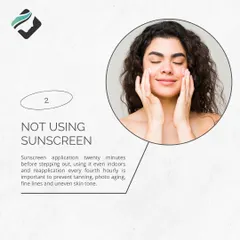
A common mistake is using an expensive Vitamin C serum but skipping sunscreen. Vitamin C is photosensitive, and without proper sun protection, it won't work and can even make your skin darker.
Are steroids bad for you? I explain that when used incorrectly, they can cause many side effects. However, when prescribed by a doctor for a specific condition and duration, they can be life-saving anti-inflammatory medicines.
These DIY beauty mask-making machines are trending, but are they effective? I question the efficacy of the coagulated end product and suggest a smarter, more economical way to make your own sheet masks with your favorite serum.
This video lists several common skincare and haircare myths I am constantly debunking. From sunscreen causing vitamin D deficiency to whey protein triggering hair loss, I'm here to set the record straight.
About Dermatologist Debunks: Myths vs. Facts
If you have ever reached for lemon, garlic, or a DIY coffee scrub hoping for a quick fix, please stop. These kitchen ingredients often cause chemical burns, friction-related pigmentation, or long-term barrier damage. My goal here is not to discourage your interest in skincare, but to help you avoid these dangerous traps so you do not have to spend months fixing what could have been prevented with the right advice.
The 'Natural' Trap
There is a common misconception that 'natural' or 'herbal' means safe. Ingredients like lemon juice, garlic, and clove oil are high in sulfur or acidity, which can lead to severe contact dermatitis and skin burns. When you treat your face like a science experiment, you are essentially gambling with your skin barrier.
Why Viral Trends Often Fail
Social media thrives on 'quick fixes' like at-home microneedling, ice rollers, or melting collagen masks.
- Microneedling: This is a clinical procedure that creates controlled trauma. Doing it at home without surgical-grade sterilization leads to infection and scarring, not glowing skin.
- Physical Scrubs: Harsh scrubbing causes micro-tears, leading to inflammation and hyperpigmentation.
- Layering Actives: Buying five different serums because they are trending doesn't mean your skin needs all of them. In fact, using Retinol or Vitamin C incorrectly can make your skin photosensitive, leading to more damage than before.
The Science of Your Skin
Your skin is a dynamic organ. It reacts to your genetics, the Bengaluru climate, and your lifestyle. A 'one-size-fits-all' routine from an influencer rarely considers your unique needs.
How I Help
My job is to cut through the noise. During a consultation, we strip away the unnecessary products, identify the root cause of your concern (like hormonal acne or pigmentation), and build a routine that is sustainable. Whether we use medical-grade prescriptions or in-clinic procedures like chemical peels, every step is designed for results, not trends. If you are tired of spending money on products that do not work, it is time to get real about your skin health.
Similar work from other experts
Browse through Curated picks from other experts on mytribe
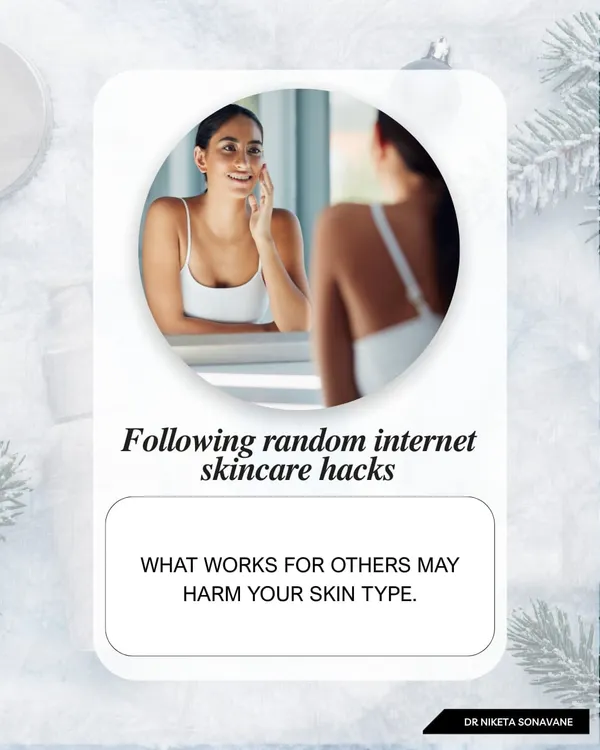
Skincare Myth-Busting: Science-Backed Facts for Healthy Skin
 18
18
Stop Guessing: Skincare Myths vs. Science-Backed Facts
Real Skincare Facts: Debunking Viral Myths
 22
22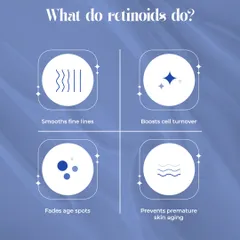
Skincare Myth-Busting and Science-Backed Advice
Expert Skincare Advice from Board-Certified Dermatologists
Skincare Science & Expert Advice
More from Medical Dermatology & Consultation by Namrata Singh
More services by Namrata Singh