Treating Melasma and Pregnancy Pigmentation
Dealing with stubborn brown patches? Let's talk about managing pigmentation safely, especially if you are expecting or postpartum.
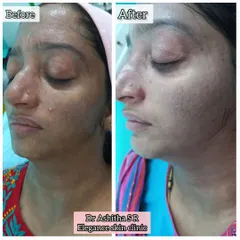
Melasma presents as irregular brown patches on sun-exposed areas and is particularly common in Asian women. Understanding its causes, including hormones and UV exposure, is key to effective management.
This slide outlines the primary treatment modalities for melasma, focusing on topical depigmenting agents. Ingredients like hydroquinone, niacinamide, and azelaic acid are effective alternatives for managing hyperpigmentation.
Preventing a relapse of melasma is just as important as treating it. Strict photoprotection, including using sunscreens with iron oxide to block visible light, is critical for maintaining clear skin.
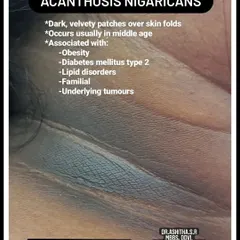
Pigmentation changes are not limited to the face. Dark spots can also appear on the breasts, inner thighs, and other areas due to hormonal stimulation of melanin. Consistent use of a mineral-based sunscreen is your best defense.
Finding the right sunscreen is crucial for preventing and managing melasma. This is a list of my recommended brands available in India, offering broad-spectrum protection to help you shield your skin.
To prevent melasma from worsening or returning, photoprotection is absolutely critical. This includes protection from not just UVA and UVB rays, but also visible light, which can promote hyperpigmentation.
The treatment of melasma involves targeting melanocyte activity and protecting the skin from the sun. This slide highlights some of the most popular and effective topical agents used in dermatology.
Hormonally stimulated melanin production can lead to dark patches on the cheeks, forehead, and even areas like the inner thighs. While many spots fade, some can be permanent, making sun protection essential.
About Treating Melasma & Pigmentation
Most people assume melasma requires expensive, harsh treatments, but your most important tool is actually an iron oxide-tinted sunscreen. UV rays and visible light—especially the kind you encounter in our bright Bangalore weather—can deepen pigmentation faster than any cream can lighten it. That is why I start every treatment plan with strict photoprotection before looking at any active brightening agents.
Melasma, often known as the 'mask of pregnancy,' presents as stubborn, brownish patches on the cheeks, forehead, and jawline. Because it is hormonally triggered, there is no magic switch to turn it off. My approach is rooted in the reality that skincare is a marathon, not a sprint. Whether you are dealing with hormonal changes from pregnancy or oral contraceptives, the goal is stabilization.
The 12-Week Rule
Patience is the biggest factor in treating pigmentation. Whether we use topical agents like azelaic acid, niacinamide, or medically supervised chemical peels, it usually takes at least 12 weeks to see a meaningful shift in skin tone. If you are expecting or breastfeeding, we strictly avoid retinoids and hydroquinone, focusing instead on Category B-safe ingredients that manage melanin production safely.
Managing Triggers
Beyond topicals, we need to address heat and light. Many patients find that their melasma flares up after long days in the sun or even near stoves in the kitchen. Using broad-spectrum sunscreens that block blue light is a non-negotiable part of the routine. If the pigmentation is deep or persistent, we can discuss in-clinic procedures like gentle chemical peels or microneedling—but only once your skin barrier is healthy and ready. I consult out of clinics in HSR Layout, Bangalore, and I am happy to help you build a routine that actually fits into your daily life.
Similar work from other experts
Browse through Curated picks from other experts on mytribe
Treating Pigmentation and Uneven Skin Tone
Effective Pigmentation & Melasma Treatment in Bangalore
Pigmentation and Uneven Skin Tone Treatments
Tackling Pigmentation & Dark Spots: Science-Based Solutions
Treating Pigmentation and Uneven Skin Tone
Expert Pigmentation & Melasma Care
More from Pregnancy & Postpartum Skincare by Poovamma A S
More services by Poovamma A S