Commentary on Law and Policy Reforms
Simplifying the complex legal shifts shaping our nation. I break down landmark legislation, constitutional updates, and policy changes to provide clarity for the citizen.
An infographic detailing Home Minister Amit Shah's statement on the 'One Nation, One Election' bill. This reform aims to synchronize elections to reduce costs and ensure continuous governance, a step I believe is crucial for national progress.
This graphic explains the two-pronged approach of the 'One Nation, One Election' proposal. It aims to conduct simultaneous elections for the Lok Sabha and state assemblies, with a separate bill for Delhi, Jammu and Kashmir, and Puducherry.
A post asking the fundamental question: What is 'One Nation, One Election' and how will it change Bharat? My goal is to educate the public on the potential impact of such landmark legislative changes.
This visual defines the concept of 'One Nation, One Election' as holding simultaneous polls for the Lok Sabha and State Assemblies. The proposed bill is a significant move towards electoral efficiency.
Highlighting the Union Cabinet's approval of the constitutional amendment bill for 'One Nation, One Election'. This shows the government's commitment, under PM Narendra Modi's leadership, to this major reform.
A historical perspective on simultaneous elections in India, which were held between 1951 and 1967. Understanding the past is key to evaluating the merits of reintroducing this system for modern Bharat.
A post for Advocates' Day, celebrating the role of lawyers as guardians of justice. My profession is about giving a voice to the voiceless and ensuring every individual is treated with dignity and respect under the law.
A graphic for Samvidhan Divas (Constitution Day) in Kannada. The quote from Dr. B.R. Ambedkar reminds us that the Constitution is a vehicle of life, not just a lawyer's document.
This video for Constitution Day reaffirms our national commitment to justice, equality, and liberty. It is a day to honor the vision of our founders and continue building a strong, democratic nation.
Another post for Constitution Day, emphasizing Dr. B.R. Ambedkar's words. We are Indians, firstly and lastly, and our Constitution is the force that unites us in our pursuit of a just society.
About Commentary on Law & Policy
When the legal landscape shifts, understanding your rights becomes critical. Whether it is the introduction of the Bharatiya Nyaya Sanhita or the debate surrounding 'One Nation, One Election', my analysis focuses on how these changes affect you on the ground. I move past the headlines to explain the 'why' behind the policy, bridging the gap between legislative intent and the practical realities of the courtroom so you are never left guessing about the laws that govern us.
Navigating India’s Legal Evolution
The law is not static; it is a living document. My commentary is dedicated to demystifying the significant transitions we are currently witnessing in our justice system.
From Colonial Legacy to Swadeshi Justice
We are moving away from antiquated, colonial-era frameworks toward a more indigenous, efficient system. Changes like the Bharatiya Nyaya Sanhita (BNS) are not just updates; they are a fundamental restructuring of how we handle criminal justice.
- Modernization: With 99% of police stations now computerized and the advent of e-FIRs, the path to registering a complaint is becoming faster.
- Accountability: New mandatory timelines for chargesheets and judgment delivery are designed to curb the perennial issue of judicial delay.
Constitutional Literacy
Concepts like 'One Nation, One Election' are often discussed in soundbites, but they require a deep dive into constitutional law to understand the implications for federalism, governance, and democratic efficiency. My analysis breaks these down, looking at historical precedents from 1951 to 1967 and the proposed path forward.
Symbolic Shifts
Even the visual representation of justice matters. The evolution of the Lady Justice statue—moving from a blindfold and sword to an open-eyed figure holding the Constitution—is a powerful signal. It reflects a shift from a punitive, colonial mindset to a justice system centered on equality and the rule of law.
My role is to ensure that these policy discussions are accessible. Whether you are an activist, a student of law, or a concerned citizen, understanding these frameworks is the first step toward effective advocacy and informed civic participation.
Similar work from other experts
Browse through Curated picks from other experts on mytribe


Legal Analysis and Expert Commentary by Advocate Abha Singh
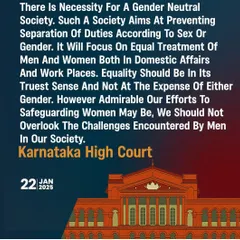
Legal Updates & Practical Commentary
Politics, Policy & The Law: Legal Analysis Simplified
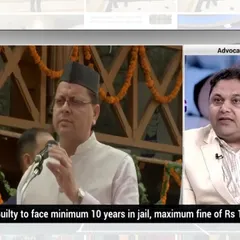

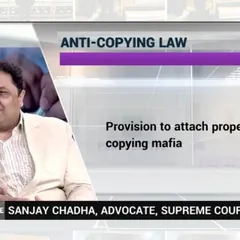
Legal Policy Analysis & Media Appearances
Demystifying Legal Procedures for Clearer Justice
Understanding the New Criminal Laws (BNS, BNSS, BSA)
More from Political & Legal Counsel by Sandeep Patil
More services by Sandeep Patil