Politics, Policy & The Law: Legal Analysis Simplified
I cut through the political noise to decode the legal backbone of national events. No jargon, just the facts behind the headlines.
The question of Rahul Gandhi's citizenship has been raised for over a decade. I explain the legal basis of this challenge under Article 9 of the Constitution, which prohibits dual citizenship, and the recent Allahabad High Court order granting security to the petitioner pursuing the case.
The Supreme Court rebuked Rahul Gandhi for his comments on the Indian Army but granted him a temporary stay in the defamation case. I break down the legal arguments, including the procedural requirement under Section 199 CrPC that a complaint can only be filed by an 'aggrieved person'.
Rahul Gandhi has been summoned by a Pune court in a defamation case filed by Savarkar's grandson. The complaint alleges that Rahul Gandhi falsely claimed Savarkar wrote about assaulting a Muslim man in his book. I explain the legal proceedings in this high-profile case.
An FIR was filed against Congress for sharing a deepfake AI video of PM Modi's late mother. I analyze the legal sections invoked in this case, which touches upon the growing issue of AI-generated misinformation and its legal consequences in the political arena.
A cartoonist who mocked PM Modi had to apologize in the Supreme Court to get interim relief from arrest. I explain the sections of the BNS and IT Act invoked against him, and the High Court's observation that the cartoon crossed the limits of freedom of speech.
Delhi University's stand in the High Court is that PM Modi's degree is personal information, not subject to RTI disclosure without a larger public interest. I explain the legal reasoning behind this argument, which was previously accepted by the Gujarat High Court.
Shashi Tharoor's 'scorpion on a Shivling' remark about PM Modi has led to a defamation case. I explain why the Delhi High Court dismissed his petition to quash the case, observing that the comments were prima facie defamatory and may have hurt religious sentiments.
A petition in the Delhi High Court sought to disqualify PM Modi from elections for allegedly using Hindu and Sikh deities to seek votes. I explain the legal grounds of the petition, citing the Model Code of Conduct and the Representation of the People Act.
Following PM Modi's election speech, a complaint was filed with the Election Commission of India alleging a violation of the Representation of People Act. I explain Section 123(3) of the act, which defines using religion to solicit votes as a 'corrupt practice'.
The Tamil Nadu Congress committee filed a petition in the Madras High Court against PM Modi's election speeches, alleging they contained derogatory remarks against the Muslim community. The plea seeks to direct the Election Commission to take immediate action.
About Politics, Policy & The Law
You don't need a law degree to understand why certain FIRs are filed or how the Supreme Court interprets political speech. I take the actual court orders and legislative notifications—not the media debates—to show you exactly what the law says, whether it is about electoral bond disclosures or the constitutional validity of specific political statements.
Behind the Headlines
When a politician makes a statement or a new Act is challenged in the High Court, the legal reality often gets lost in the noise. My approach is simple: I go straight to the case files. If the Supreme Court observes that a comment is prima facie defamatory under the IPC, we look at the 'why'. If a petition seeks to disqualify a leader under the Representation of the People Act, we analyze the specific sections cited.
Understanding the Process
Why do defamation cases against politicians often hit a wall? Often, it comes down to Section 199 of the CrPC. A complaint must be filed by an 'aggrieved person'. If the person filing the complaint does not fit this legal definition, the case becomes procedurally weak, which is a detail I highlight frequently.
What is the legal view on election speeches? The law, specifically the Model Code of Conduct and Section 123 of the Representation of the People Act, draws a sharp line between political criticism and using religious symbols to solicit votes. I break down how courts have historically intervened—and when they refuse to interfere—to help you distinguish between political rhetoric and actionable legal violations.
Can these insights apply to business law? Yes. While these explainers focus on public policy, the methodology is the same. Understanding how courts interpret 'intent' and 'deception' is crucial, whether you are dealing with a political speech or a corporate compliance issue.
Similar work from other experts
Browse through Curated picks from other experts on mytribe
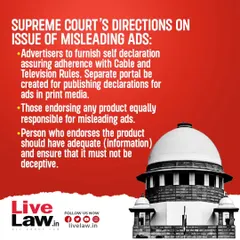
Legal News Decoded: Trending Cases and Updates Simply Explained
Decoding Indian Law & Current Affairs
Legal Lens on Current Events: Understand Indian Law Simply
 11
11
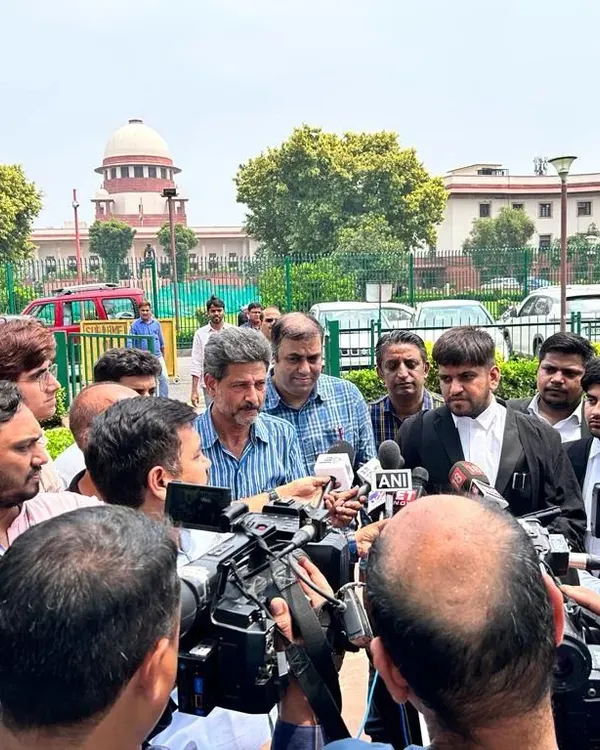
Legal Commentary and Analysis by Supreme Court Advocate
Legal Analysis and Expert Commentary by Advocate Abha Singh
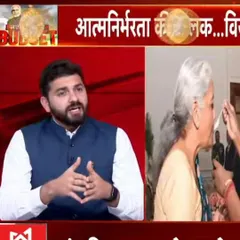
Expert Legal Analysis and TV News Commentary
More from Legal Keynote Speaking & Workshops by The One Minute Lawyer
More services by The One Minute Lawyer