Legal Solutions for Landlord and Tenant Disputes
Renting out property shouldn't keep you up at night. If you are dealing with difficult tenants or messy rental agreements, here is the clear legal path to protect your property and rights.
If a tenant refuses to vacate your property, you cannot throw them out by force. The only legal way is through the courts. I explain the proper eviction process and how you can claim pending rent, damages, and legal expenses.
To avoid future disputes with tenants, consider using a Leave and License agreement instead of a standard rent agreement. This gives you more power as the owner and makes it easier to get your property back without lengthy court battles.
About Landlord, Tenant & Rental Agreements
The biggest mistake landlords make is using a standard rent agreement when a 'Leave and License' agreement is far safer for property recovery. If your tenant is refusing to vacate, do not try to throw them out by force, as that can turn a civil issue into a criminal liability against you. Instead, you need to initiate the formal legal eviction process immediately to reclaim possession and recover pending dues.
Why Standard Agreements Fail
Most people sign a basic rent agreement without realizing that under certain laws, this can give tenants an unintended sense of permanent occupancy. A 'Leave and License' agreement, when drafted correctly, ensures the tenant's right to occupy the property is temporary and revocable. This makes it significantly easier to regain possession without getting stuck in years of court litigation.
The Eviction Trap
If your tenant has stopped paying or refuses to leave, you might feel the urge to change the locks or cut off utilities. Do not do this. Forceful eviction is illegal and gives the tenant a strong case against you in court. The legal route involves:
- Issuing a Legal Notice: This is the critical first step to create a paper trail that the court respects. It formally demands the vacation of the property or the payment of arrears within a specific timeframe.
- Filing an Eviction Suit: If the notice is ignored, we file a suit based on specific grounds like 'bonafide need' or non-payment.
- Claiming Damages: Through the court, you can pursue not just the eviction, but also the recovery of unpaid rent, interest, and even your legal expenses.
Protect Your Assets
Whether you are dealing with a property in Delhi NCR or anywhere else, the goal is to avoid the 'court trap.' We focus on drafting agreements that act as a deterrent from day one. If a dispute has already started, we assess the merit of your case and provide a roadmap—whether that is a quick settlement or a full-scale litigation strategy.
Similar work from other experts
Browse through Curated picks from other experts on mytribe
 7
7


Landlord & Tenant Dispute Resolution
 23
23
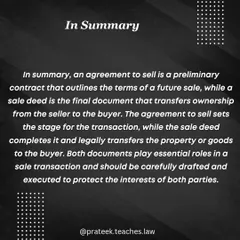
Property and Tenancy Law Guidance in Bengaluru
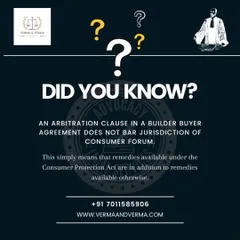
Property Agreements: Simple Advice for Builders and Tenants
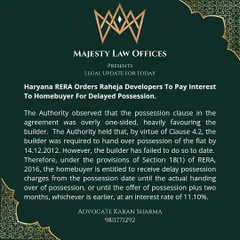
Legal Solutions for Property and Real Estate Disputes
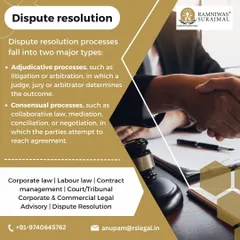

Legal Guidance & Dispute Resolution in Bengaluru
Property Law Explained: Protect Your Rights and Assets
More from Property Law & Real Estate by Ravi S. Gupta
More services by Ravi S. Gupta