Family Property & Inheritance Rights
Property fights can get messy, whether it is an ancestral share dispute or a builder delay. I help you understand your legal standing without the complex jargon, so you know exactly where you stand.
There is a lot of confusion about a wife's right in her husband's property. While she cannot demand a share during his lifetime, she has a right to residence and can claim maintenance. I clarify these points to help you understand the legal position.
Can a wife claim a share in her husband's or his parents' property during a dispute? The answer is no, but she can claim maintenance and alimony. Your net worth can influence the amount of permanent alimony, and I explain how this works.
Many husbands think of transferring property to their mother's name to avoid giving their wife rights. This does not always work. If a domestic violence case is filed, the court can still grant the wife a right to residence in that very property.
If a husband fails to pay maintenance, can his ancestral property be sold? A recent Supreme Court ruling says yes. I discuss this important judgment and what it means for clearing maintenance arrears.
Gifting your property to your children via a gift deed is a big step. I explain a crucial clause you must include to ensure your children take care of you in your old age, failing which you can revoke the gift.
Is it mandatory to register a will or vasiyat? In this video, I explain that registration is not compulsory, but having two witnesses is essential. I also outline the process of filing a probate petition after the person's demise to transfer the property.
About Family Property & Inheritance Rights
A common mistake I see is assuming a spouse has an automatic right to partition a husband's self-acquired property during a dispute. That is a myth. Understanding whether your property is ancestral or self-acquired is the first step before you even think about filing a suit, as the rules for inheritance and partition differ completely. Misunderstanding this distinction leads to years of wasted litigation.
Ancestral vs. Self-Acquired Property
The first thing we must establish is the nature of the property. If it is ancestral, you get a share by birth. If it is self-acquired, the rules change entirely. Many families get stuck because they rely on myths—like the old '12-year rule' for adverse possession, which I tell clients is completely misleading.
The Trap of Gift Deeds
Parents often come to me wanting to gift property to children. A major risk here is the children taking the property but failing to care for the parents. I always advise including a specific protection clause in the gift deed. If it is not there, you cannot simply revoke the deed once it is done. It is not about distrusting family; it is about securing your basic needs in old age.
Wills and Registration
People often ask if a will must be registered. It is not mandatory, but having two witnesses is non-negotiable. If you are dealing with a property transfer after a death, a probate petition is often the right route to avoid future title disputes.
My Approach to Property Litigation
If a sibling or relative denies your share, we look at the facts first. Is there a case for a partition suit? Is RERA the right forum for builder delays? Or should we focus on a settlement? Litigation is a long road, and my goal is to give you a clear roadmap from day one—so you are not just fighting in court, but moving toward a resolution.
Similar work from other experts
Browse through Curated picks from other experts on mytribe
Property, Inheritance, and Will Disputes
Property and Inheritance Rights Explained Simply
Property, Stridhan, and Financial Settlement Rights
Inheritance and Property Rights Guidance
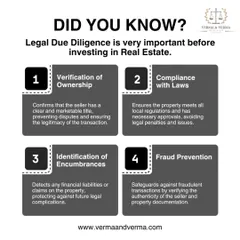
Understanding Property Ownership: A Guide to Clear Legal Rights


Property and Succession Law Insights
More from Property Law & Real Estate by Ravi S. Gupta
More services by Ravi S. Gupta