Decoding Carnatic Rhythms, Konakkol & Compositions
Ever wonder how the complex rhythmic math (kanakku) in Carnatic music is actually built? This is my musical diary where I break down chittaswarams, explore rhythmic subdivisions, and share the raw ideas behind my compositions.
A fun multi-nadai (subdivision) idea for Adi Thalam that came to me during my morning warm-up. I break down the different rhythmic ratios I'm using in this popular Natakurinji varnam.
An idea for the fans of Mishram, which is a 7-beat cycle. This is a short konakkol piece exploring the possibilities within this rhythmic structure.
Welcome to the world of 13/6. This is a combo nadai korvai (a rhythmic cadence with multiple subdivisions) for Mishra Chapu, a 7-beat cycle.
A spicy konakkol challenge. This piece involves three rounds with different rearrangements of the components, making the rapid alternation between speeds a fun exercise.
The "Machine Gun" korvai. This is a complex rhythmic piece for Mishra Chapu inspired by the powerful patterns played on the Thavil, a percussion instrument.
I sometimes connect music to the most random things. Here's a polyrhythm exercise that feels like chewing and swallowing a perfectly roasted potato. It's a fun way to feel 7s and 8s simultaneously.
A fun challenge creating a short chittaswaram for 'Paadame Thunai' in raga Valaji. I tried to explore nine different colors of the note "Ni" in this composition, inspired by the great Lalgudi Jayaraman mama.
A quick, zesty chittaswaram I composed for the famous song 'Vatapi Ganapathim' in raga Hamsadhwani. Sometimes these ideas just flow and I have to capture them.
About The Creative Process: Konakkol, Kanakku & Compositions
This isn't just abstract theory—it's how I practice every single day. When I explore these rhythmic patterns or compose a new chittaswaram, I'm looking for that sweet spot where the math becomes invisible and only the melody remains. If you've ever struggled to visualize how a 7-beat cycle or a complex subdivision fits within a raga, these breakdowns might bridge that gap.
Music is a constant dialogue between the head and the heart. When I perform, people often ask how I manage the kanakku (rhythmic math) without losing the bhava (emotion). The answer lies in the practice shown here.
I don't separate theory from performance. Whether it's a 'Machine Gun' korvai for Mishra Chapu or a polyrhythmic exercise inspired by the rhythm of everyday life, I treat rhythmic exploration as a game. These are not dry exercises. They are vocabulary-building blocks.
Why I Share My Process
When I break down a nadai (subdivision) in a Natakurinji varnam, my goal is to show you how to structure improvisations so that they feel natural, not calculated.
Educational Focus
If you are a student or a fellow musician, you will find that these explorations cover:
- Nadais: Understanding the flow of different subdivisions like Tisram and Chatushram.
- Konakkol: Using vocal percussion as a tool to sharpen your internal clock.
- Compositional Logic: How to write chittaswarams that honor the greats while adding your own color.
If you find these snippets helpful, I expand on these concepts in my intensive masterclasses. We go much deeper into the 'how' of improvisation, tackling stamina and fretboard control. You don't have to be a seasoned professional to start looking at music this way—you just need curiosity.
Similar work from other experts
Browse through Curated picks from other experts on mytribe
Vocal Explorations: Carnatic Roots & Jazz Fusion
The Composer's Craft: Music & Rhythm
Solo Tabla Performances & Rhythmic Explorations
Carnatic Fusion Jams and Musical Collaborations
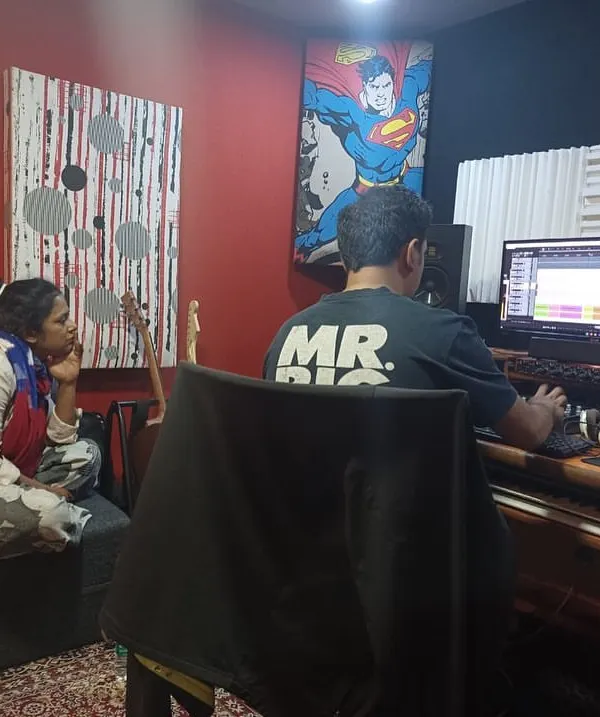 11
11

Behind the Scenes: My Studio Recording Process
The Art of Sitar Practice: My Daily Riyaaz
More from Carnatic Music Concerts & Performances by Ramana Balachandhran
More services by Ramana Balachandhran