Pranayama & Breathwork: Techniques to Calm Your Mind
Breath is the bridge between your body and mind. Learn to move beyond simple deep breathing and master traditional pranayama techniques like Nadi Shodhan and Ujjayi to effectively reduce stress and purify your system.
Is it Anulom Vilom or Nadi Shodhan? This is a common point of confusion. In this video, I explain the fundamental difference. Anulom Vilom is the simple act of alternate nostril breathing, while Nadi Shodhan is a deeper purification practice involving breath retention to balance the body's energies. Understanding the 'why' behind the practice is just as important as the 'how'.
What is the difference between deep breathing and pranayamic breathing? I explain how pranayamic breathing involves the use of bandhas (body locks) like Mula Bandha to control the flow of prana, which keeps the abdomen from moving. This is a key technical detail for a deeper practice.
I often see two common mistakes in Anulom Vilom pranayama. The first is poor posture, and the second is breathing too forcefully. Pranayama should be slow, gentle, and quiet, so much so that you can't even hear your own breath.
Ujjayi, or the "victorious breath," is a technique that builds heat and relaxes the mind. I explain how to perform it by partially closing the glottis to create a low hissing sound, and how traditionally, the exhalation is done through the left nostril.
Is it necessary to make a loud noise in Ujjayi pranayama? Not at all. The focus should be on feeling the mild friction of air in your throat, not on forcing a sound. The sound is an effortless byproduct of the correct action.
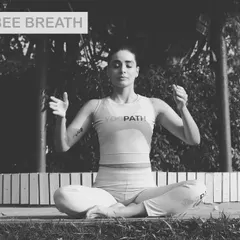
Many people make a mistake in Bhramari Pranayama by producing the humming sound from their throat. The correct technique, as the name Bhramari (bee) suggests, is to create a nasal sound. This generates vibrations that have a profound calming effect on the mind.
How can you do pranayama if your nostrils are blocked? A simple solution is to generate heat in the body with 15-20 minutes of physical exercise like Surya Namaskar or running before you sit for your practice. This will help open your nasal passages.
Our mind is constantly moving. To experience this, try to observe just three consecutive natural breaths without your attention wandering. Most people cannot. This shows how connected the mind and breath are. As you practice observing the breath, the mind begins to slow down.
About Pranayama & Breathwork: The Power of Breath
Most people confuse simple deep breathing with real pranayama. Forceful breathing can actually raise your blood pressure, so I focus on the 1:1 ratio and gentle airflow that truly calms your nervous system, ensuring you practice safely without straining your throat or lungs.
Pranayama is not just about the volume of air you take in. It is a precise science of purification. When I teach, my focus is on the mechanics of the breath, not just the repetition.
Why Technique Matters
Many students come to me having practiced for years but still struggle with basic errors like poor posture or forceful exhalations. These mistakes turn a soothing practice into a stressor. For instance, in Anulom Vilom, the goal is not to rush. The breath should be so gentle that you cannot hear it yourself. When you practice the right way, you balance the nadis (energy channels) in your body, which helps regulate Vata, Pitta, and Kapha.
Key Techniques We Cover
- Nadi Shodhan vs. Anulom Vilom: I explain the difference clearly. Anulom Vilom is a simple cleansing breath, while Nadi Shodhan is a deeper practice involving breath retention to balance the body's energies.
- Ujjayi (The Ocean Breath): I teach how to partially close the glottis to create a low-pitch sound. The focus is on feeling the mild friction of the air, not on forcing a loud noise.
- Bandhas: Learn how to engage Mula Bandha (pelvic floor) and Uddiyana Bandha (abdomen) to control the flow of prana during inhalation, a crucial detail often missed in generic classes.
My Approach
Whether you are joining me at my studio in Pitampura or through my live online sessions, I watch your form carefully. I ensure you are not just 'doing' yoga but understanding the anatomy behind it. If you have blocked nostrils or chronic stiffness, we start by working on physical heat generation like Surya Namaskar before moving to breathwork. This prepares the body to receive the full benefits of the practice, helping you build a calm, resilient mind.
Similar work from other experts
Browse through Curated picks from other experts on mytribe
Pranayama and Breathwork Training
Pranayama and Meditation: Finding Real Calm
Core Breathing Techniques (Pranayama) for Daily Wellness
 9
9Master Your Breath, Master Your Mind with Pranayama
The Art of Breathing: Pranayama
Traditional Pranayama Techniques and Breath Control in Saket
More from Yoga Classes for All Levels by Rajat Dua
More services by Rajat Dua