Hyper-Realistic Invert Art Portraits
Ever seen a drawing that hides a secret? My invert sketches start as a challenge to perception, turning graphite into a negative that only reveals its true self through your phone lens.
This is what mehnat looks like. The video shows my process from a blank sketchbook page to a fully formed invert portrait of Rocky. It’s a slow, deliberate process that requires complete focus to get every detail right.
This process video for my Zayn Malik piece highlights the technical skill involved in invert sketching. I demonstrate how I use complementary colors and detailed shading to create the negative, setting up the foundation for the final, surprising reveal.
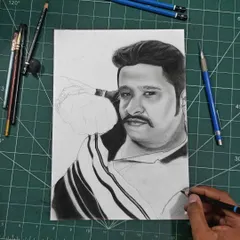
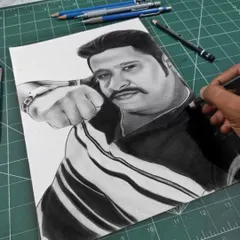
This image captures a critical moment in my process. Showing a portrait half-finished reveals the technique of building up layers and how the negative image slowly emerges, giving a glimpse into the structure behind the final artwork.
This image captures a critical moment in my process. Showing a portrait half-finished reveals the technique of building up layers and how the negative image slowly emerges, giving a glimpse into the structure behind the final artwork.
About From Blank Page to Finished Portrait
Getting an invert portrait is different from a standard sketch. I work with light and shadow in reverse, treating your photograph like a photo negative. Because every detail needs to be precise for the inversion to look natural, I spend hours on skin textures and hair. When you receive the final piece, it is not just a drawing; it is a manual process of discovery that requires you to use your phone's color inversion setting to see the magic happen.
The Process: From Blank Page to Hidden Portrait
Creating an invert sketch is a different beast compared to standard graphite work. It is not just about drawing what you see; it is about flipping the logic of light and shadow.
-
The Inversion Planning: I start by mapping out the subject's face where every bright area (like skin highlights) must be drawn dark, and every deep shadow must remain white. It requires complete focus. If I get the contrast ratio wrong, the final image won't pop when you apply the digital filter.
-
The 90+ Hour Grind: For complex portraits, I spend upwards of 50 to 90 hours on the page. I use professional-grade charcoal and graphite on 250 GSM Bristol paper. The time is spent layering, ensuring that the pore-level skin texture holds up when viewed through the screen. This is where the 'mehnat' happens.
-
The Reveal (Asli Jaadu): Once the piece is coated with archival fixative and shipped to you, the artwork acts as a negative. You simply open your phone settings, turn on 'invert colors,' and watch as the drawing transforms into a hyper-realistic portrait. It surprises people every single time.
Why Choose Invert Art?
It makes for an incredible gift or a conversation starter on your wall. Whether you want a tribute to a legend like Rocky Bhai or a custom portrait of a loved one, this technique adds a layer of mystery that traditional sketches lack. I provide both the physical artwork and a high-resolution digital copy, along with a guide on how to set up your phone to view the reveal. If you want art that makes people stop and look twice, this is the way to go.
Similar work from other experts
Browse through Curated picks from other experts on mytribe
 27
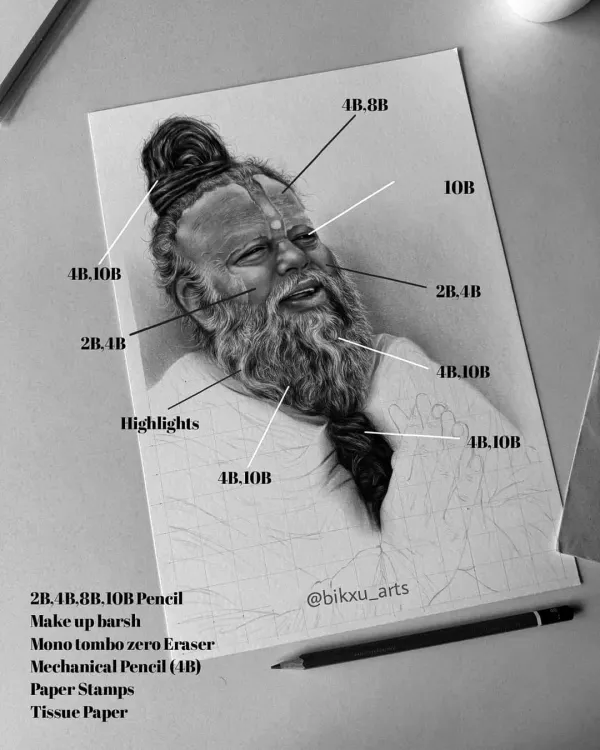
27The Artistic Process: How I Create Realistic Portraits
How I Create Hyper-Realistic Pencil Sketches
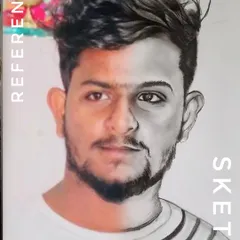
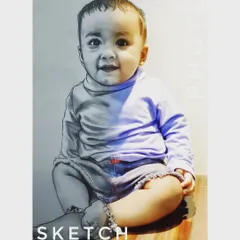
How I Turn Your Photos Into Realistic Portraits
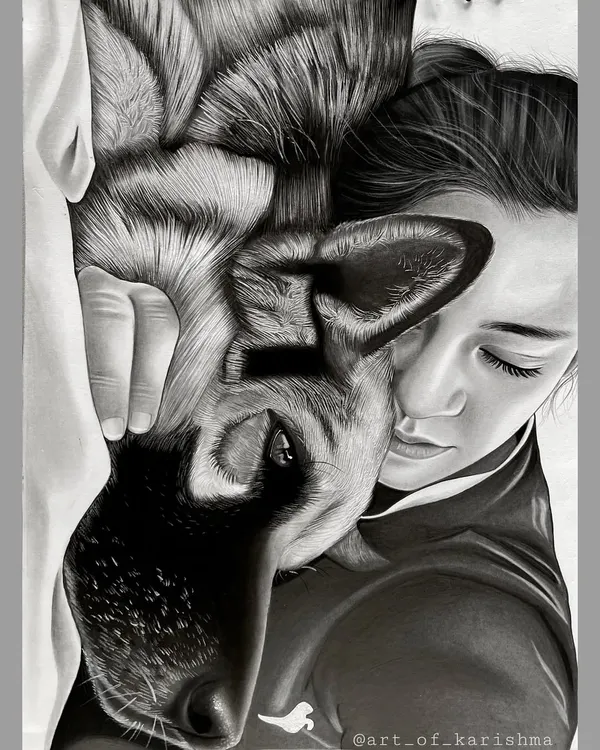
Behind the Scenes: How Your Custom Portrait is Made
 8
8
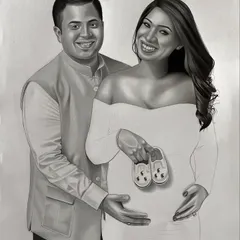
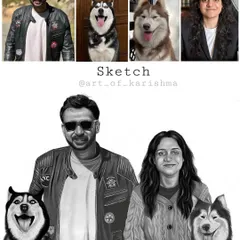
Featured Hand-Drawn Portraits and Custom Sketches
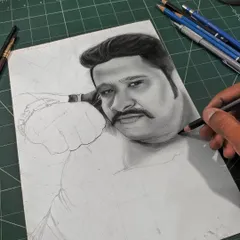
Behind the Scenes: My Portrait Drawing Process
More from Invert Art Portraits by Kalaakar
More services by Kalaakar