Safe Home Wiring: Choosing the Right Foundation
Wiring is the nervous system of your home, hidden yet vital. I will show you how to distinguish between FR, FRLS, and ZHFR wires to ensure your family's safety and avoid hidden fire hazards.
Before you buy any wire, you must understand its two main parts: the copper conductor and the PVC insulation. I explain why the size of the copper and the quality of the PVC are the only two things that truly matter for safety and performance.
I introduce the three main types of house wires you will find in the market: FR (Fire Retardant), FRLS (Flame Retardant Low Smoke), and ZHFR (Zero Halogen Flame Retardant). Understanding the difference is the first step to making a safe choice.
Are you using the right wire for the right job? I break down the common wire sizes, from 1 sq mm for lights to 4 sq mm for power plugs and 6 or 10 sq mm for main lines, ensuring each circuit is correctly and safely wired.
The load rating written on a wire box is often tested at 30 degrees. In India, walls get much hotter. I explain why you should only use 50 to 60 percent of the stated load capacity to prevent overheating and ensure long term safety.
Do not just trust the box, check the wire yourself. I show you how to use a simple micrometer, a tool I have used for 20 years, to measure the copper thickness. This simple check ensures you are getting the full-size wire you paid for and not an undersized, unsafe product.
A live demonstration of the difference between a standard FR wire and a Zero Halogen (ZHFR) wire. Watch how the ZHFR wire resists catching fire and its insulation remains usable, while the other gets damaged. This is a test you can do yourself.
This is the most important lesson from my 40 years in this trade. The smoke from a cheap PVC wire is a well of death. I always recommend Zero Halogen Flame Retardant (ZHFR) wires because your family's safety is not a place to cut corners.
Here I demonstrate the key benefits of a Zero Halogen wire. It does not catch fire, it produces no bad smell or toxic smoke, and the insulation is often reusable after being exposed to flame. This is the safest choice for any home.
A customer asked about the difference between FR and FRLS wires. The main difference is the amount of smoke they produce in a fire. FRLS produces less smoke than FR, but neither is as safe as a Zero Halogen wire.
About Wiring: The Backbone of Your Home's Safety
Stop trusting wire boxes blindly. Even branded wires can be undersized or inconsistent. Before you finalize your order, buy a simple micrometer and check the copper thickness yourself. It costs a few hundred rupees but ensures you get the full-gauge copper you paid for, preventing future overloading in your home's circuits.
Understanding Your Home's Backbone
Most people ignore the wires hidden in their walls until something goes wrong. In my 40 years of trade experience, I have learned that electricity gives no second chances. If you are renovating or building a new home, your wiring foundation dictates your safety for the next two decades.
FR, FRLS, or ZHFR: What to Pick?
There is a lot of confusion in the market about wire types. Here is the reality:
- FR (Flame Retardant): Basic protection. It stops the spread of fire but can still emit significant smoke.
- FRLS (Flame Retardant Low Smoke): An improvement on FR, producing slightly less smoke during a fire.
- ZHFR (Zero Halogen Flame Retardant): This is my recommendation for every home. It does not catch fire easily, and most importantly, it does not release the toxic black fumes that actually cause most casualties in electrical fires. If you have the budget, always choose ZHFR.
The Load Reality
Wire boxes often state load capacities tested at 30 degrees Celsius. Our Indian summers, combined with the heat generated by the current itself inside a closed conduit, can push temperatures to 70 or 80 degrees.
My advice: Never push your wires to their maximum stated capacity. Always limit your usage to 50-60 percent of the box's rated load to prevent overheating and insulation degradation.
How to Verify Quality
Do not rely on the label on the box. Use a micrometer to measure the copper strands. Calculate the conductor size using the standard formula (πr² multiplied by the number of strands). If the math does not match the size written on the box, you are being sold undersized material. Protect your investment by verifying these simple technical specs yourself before the work begins.
Similar work from other experts
Browse through Curated picks from other experts on mytribe
 5
5


Avoiding Common Home Security Vulnerabilities
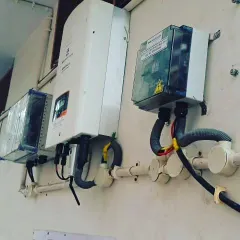
Our Solar Installation Process & Safety Standards
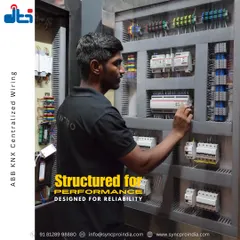
Flawless Smart Home Wiring & Power Protection
 11
11

Smart Home Safety and Energy Saving Solutions

Wired vs Wireless Smart Home Automation: Which System Suits Your Needs?
Smart Switch Upgrades: From Messy Wires to Seamless Tech
More from Core Electricals & Safety Systems by Amit Agarwal
More services by Amit Agarwal