Circuit Breakers: The First Line of Defense for Your Home
Don’t leave your family’s safety to chance. An MCB isn’t just a switch; it is your silent guardian against electrical fires. I will help you understand why your choice of circuit breaker matters and how to set it up right.
What exactly is an MCB? It stands for Miniature Circuit Breaker. Its job is to protect your home by automatically cutting off power during an overload or short circuit, preventing damage to your wiring and appliances.
The MCB is the heart of your home's electrical system. Many will offer you a cheaper B-Series MCB, but I will always insist on a C-Series. It is a small price difference for a massive upgrade in safety. Never compromise on your main shield.
Did you know that the wrong MCB can cause power losses and increase your electricity bills? It is a small component that can have a big impact on both safety and cost. I will be sharing a full video on this soon.
A quality MCB is only half the story; the other half is proper installation. This is what professional DB dressing looks like. Neat wiring, tight connections, and thimbles prevent loose connections, which are a primary cause of MCB burnouts and fires.
In a conversation with a client, I explain the difference between an old ELCB and a modern RCCB using the analogy of a balance scale. An RCCB is far superior as it detects even the smallest current leakage, protecting you from electric shock.
Continuing the discussion on circuit breakers. An MCB trips during a short circuit but will not save a person from electric shock. An RCCB, however, is designed to protect human life by tripping in a fraction of a second if it detects a leakage.
About Circuit Breakers: Your First Line of Defense
Many dealers push B-Series MCBs just to save a few rupees, but they often struggle to handle the high start-up load of modern home appliances, leading to frequent, unnecessary tripping. I always recommend C-Series breakers—they handle high inrush currents better and do not trip unnecessarily, giving your home the consistent, reliable protection it actually needs.
Why Your MCB Choice Matters
Think of your MCB (Miniature Circuit Breaker) as the heart of your electrical system. It is designed to cut off power during an overload or short circuit. If that heart is weak, no amount of fancy wiring can save you.
I have seen too many homes where the wrong breaker was installed, causing persistent power losses and, in the worst cases, dangerous overheating.
The C-Series Difference
When you survey the market, you will see different series of breakers. I always insist on C-Series MCBs. They are built to handle the higher inrush currents of inductive loads like heavy-duty fans, ACs, and motors. B-Series breakers are cheaper, but they are often too sensitive for the standard home load. Do not compromise on the main shield of your home.
The Hidden Danger: Poor Installation
Even the best MCB will fail if the installation is sloppy.
- DB Dressing: If the wires inside your distribution board are messy, they heat up. Neat, organized cabling is not just for looks; it prevents hotspots.
- Tight Connections: Loose connections are the number one cause of MCB burnouts and fires. Always ensure thimbles are used and screws are tightened properly. If your electrician is rushing the job, stop them.
ELCB vs. RCCB: Don't Get Confused
I get asked this constantly. ELCB (Earth Leakage Circuit Breaker) is older technology. The modern standard is the RCCB (Residual Current Circuit Breaker).
While an MCB protects your wiring from short circuits, it will not protect a human from electric shock. An RCCB does that. It detects even the smallest current leakage—like when a wire touches a damp wall or a pest damages insulation—and trips in a fraction of a second, potentially saving a life. If you want full shock protection, an RCCB is non-negotiable.
Similar work from other experts
Browse through Curated picks from other experts on mytribe
 11
11

Smart Home Safety and Energy Saving Solutions

Industrial & Factory Automation IoT Solutions
 7
7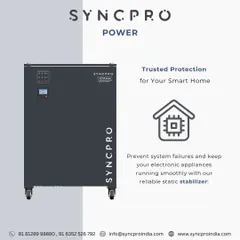


Reliable Power Protection for Sensitive Electronics
 6
6

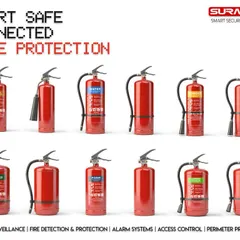
Fire Detection & Protection Systems
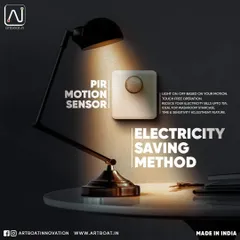

Automated PIR Motion Sensor Lighting
 5
5
Smart Home Energy Savings: Cut Electricity Bills in Delhi NCR
More from Core Electricals & Safety Systems by Amit Agarwal
More services by Amit Agarwal