Personalized Nutrition for Hormonal Harmony
You don't need fancy supplements to balance your cycle. We use everyday kitchen staples and evidence-based habit shifts to help you regain your hormonal rhythm naturally.
For PCOS Awareness Month, we share three Indian kitchen staples that can help. Pomegranate, soaked figs, and sesame seeds can be easily added to your diet to improve hormonal balance and egg quality, which are often affected by PCOS.
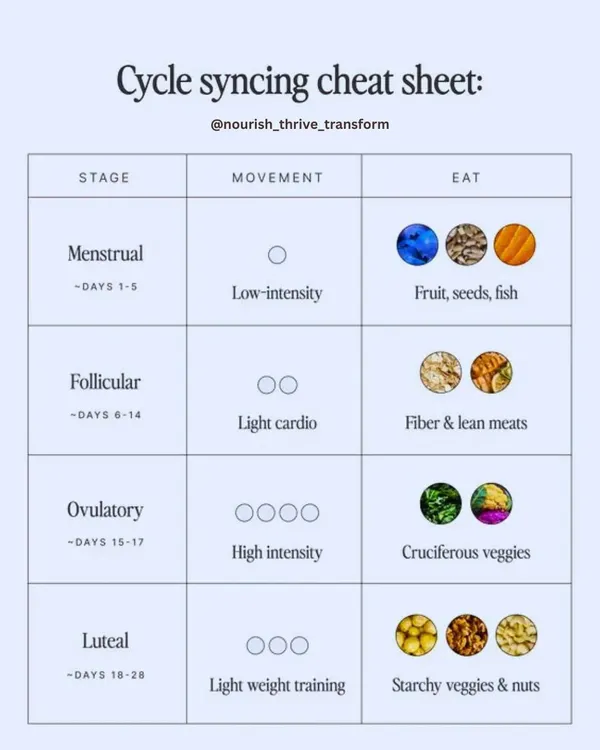
Do you struggle with irregular periods? We explain the three stages of the menstrual cycle and share three important steps to improve your cycle: reducing stress, exercising 4-5 times a week, and ensuring you get enough vitamin D.
Did you know 43.6% of women in India are magnesium deficient? This can be due to stress, poor diet, or hormonal changes. We share simple ways to add magnesium-rich foods like spinach, almonds, and oats to your diet to prevent this deficiency.
Postpartum healing is mental as well as physical. This video explains how foods rich in Omega-3 (flax seeds, fish), magnesium (spinach, dark chocolate), and probiotics (dahi, idli) can help balance your mood and calm your system for a smoother recovery.
Girls are experiencing periods at a much younger age, which poses health risks. We discuss the reasons, such as lack of vitamin D and a sedentary lifestyle, and provide ways to protect against these risks, like avoiding packaged foods and managing weight.
On International Women's Day, we highlight the importance of women's nutrition. Women often juggle many responsibilities and neglect their own health, but eating well is crucial for energy, reproductive health, and overall well-being.
About Hormonal Harmony for Women
Most hormonal imbalances, like PCOS or irregular periods, are not just about what you are eating, but how and when you are eating. We typically start by looking at simple things like your vitamin D levels and magnesium intake, often identifying deficiencies that are easy to fix with small, sustainable changes. Before you commit to a plan, we conduct a full clinical assessment, including a review of your blood reports and body composition, so the chart we give you is based on your body's current needs, not a generic template.
Managing hormones is a long-term game. Whether you are dealing with PCOS, thyroid fluctuations, or postpartum recovery, our approach is to treat the root cause rather than just managing symptoms. We avoid fad diets entirely. Instead, we teach you how to use ingredients like dahi, soaked figs, and local whole grains to balance your blood sugar and keep your system calm.
How We Work
Our programs are structured to give you support exactly where you need it:
- Initial Diagnostic: We sit down for a 60-minute session to review your medical history and blood reports. We don't just talk; we use body composition analysis to see where your metabolism currently stands.
- Symptom Relief (4 Weeks): If you need to kickstart weight loss or fix gut issues like bloating, this 28-day track provides weekly plan revisions. We look at your daily life, including social commitments, and tweak your meals accordingly.
- Clinical Transformation (12 Weeks): For deeper issues like diabetic indicators or severe hormonal imbalances, we use Continuous Glucose Monitoring (CGM). This allows us to see exactly how your body responds to specific foods in real-time. It takes the guesswork out of nutrition.
We provide WhatsApp support throughout, so if you are dining out or unsure about a meal option, you can message us directly. Our goal is to leave you with a lifetime maintenance guide so you eventually don't need a dietitian anymore.
Similar work from other experts
Browse through Curated picks from other experts on mytribe

Natural Management of PCOS, Thyroid, and Hormonal Imbalances
 4
4
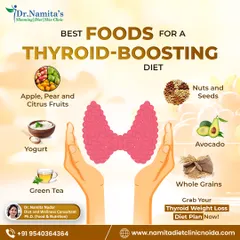
Balancing Hormones Naturally: Personalized Nutrition Plans
 8
8Natural Hormone Balance and Cycle Syncing
Hormonal Health Support
 28
28


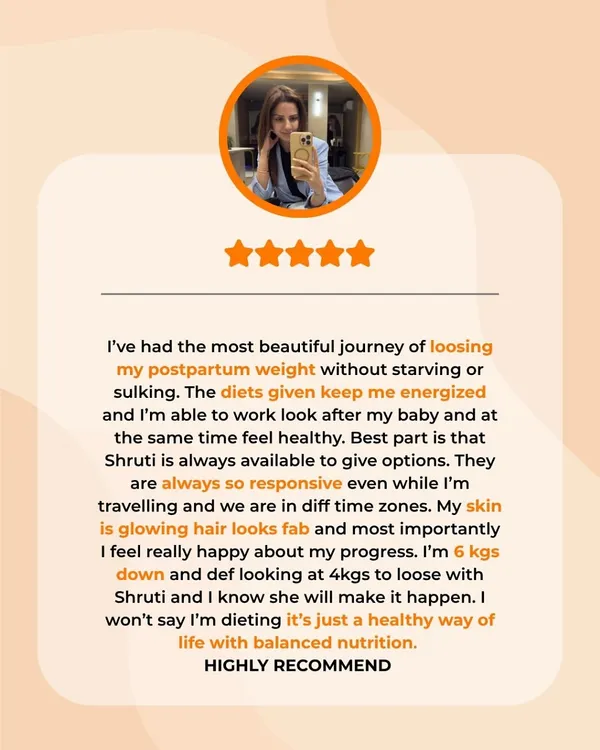
Nutrition Plans for PCOS, Thyroid & Postpartum Recovery
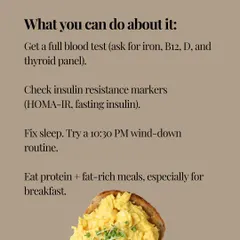

Hormone Balancing with Real Indian Food
More from Clinical Nutrition & Disease Management by Nutridiction
More services by Nutridiction