Acoustic Design and Soundproofing Solutions for Offices
A quiet workspace improves focus and productivity. I design acoustic solutions using fabric wall panels and sound-dampening ceilings to reduce echo and noise in offices.
This is a finished acoustic fabric panel wall. The striped pattern adds a decorative element while the material itself effectively absorbs sound, making the adjacent office space quieter.
Another example of a finished acoustic fabric panel, this time with a different color palette. These panels are a great way to introduce texture and color into a commercial interior design scheme.
In this Mumbai training room, the orange wall panels and gridded ceiling tiles are both acoustic. They work together to ensure clear audio during presentations and prevent sound from disturbing the rest of the office.
A view of a soundproof ceiling during installation. The fabric-finished panels are designed to absorb sound, and we've integrated linear lighting and air vents for a clean, seamless look.
Another angle of the soundproof ceiling, showing the precision of the panel installation. This type of ceiling is highly effective for boardrooms, conference rooms, and open-office areas.
Here you can see fabric being applied to a pillar using a gripper system in a Mumbai office. This technique allows for a flawless, tight finish on both flat and curved surfaces for optimal sound control.
This shows a long wall in an office being treated with acoustic fabric. This is a common solution to reduce echo and noise travel in hallways and large open spaces.
Even structural elements like columns can be wrapped in acoustic fabric. This not only helps with sound management but also softens the look of the space.
A finished wall with striped acoustic fabric, separating a workspace from a common area.
A plain-colored acoustic panel provides a subtle, minimalist solution for sound control in this corner.
About Acoustic Design & Soundproofing
When I install acoustic panels, I use a high-tension gripper system. This allows me to stretch fabric perfectly over flat walls or even curved columns. The result is a finish that is tight, smooth, and entirely seamless without needing bulky, visible frames.
Noise is a practical problem, not a theoretical one. If your boardroom echoes or your open-office plan feels chaotic, it is usually because the hard surfaces in the room are reflecting sound instead of absorbing it. My approach is to fix this by integrating sound-management materials that actually look like part of the design.
How I Manage Sound
I focus on two main areas: wall treatments and ceiling treatments. For walls, I use fabric gripper systems filled with acoustic-grade materials like glass wool or polyester wadding. This is effective because it creates a large surface area for sound absorption. These can be finished in a variety of fabric colors or patterns, allowing them to double as feature walls in your reception area or meeting rooms.
For ceilings, I often move away from standard layouts. If you want a cleaner, more modern look, I can install exposed ducting with suspended acoustic baffles. If you prefer a more traditional look, I use mineral fiber tiles that provide excellent sound dampening while remaining easy to maintain.
My Design Process
- Site Assessment: I look at where the noise is coming from and how the room is used.
- 3D Planning: Before any work begins, we go through 3D visualizations so you know exactly where the panels, lighting, and acoustic treatments will be placed.
- Execution: My team handles the on-site work. Whether it is applying fabric to pillars, installing soundproof ceilings, or integrating linear lighting, I ensure the installation is precise.
I take on commercial projects across Bangalore and Mumbai, working with offices, retail stores, and boardrooms. If you are dealing with noise complaints or poor meeting room privacy, let me know and we can get a plan in place.
Similar work from other experts
Browse through Curated picks from other experts on mytribe
 4
4
Focus Pods and Quiet Zones for Modern Offices
 6
6
Dynamic Meeting & Conference Room Designs
 15
15
Meeting Room & Conference Space Design
 5
5
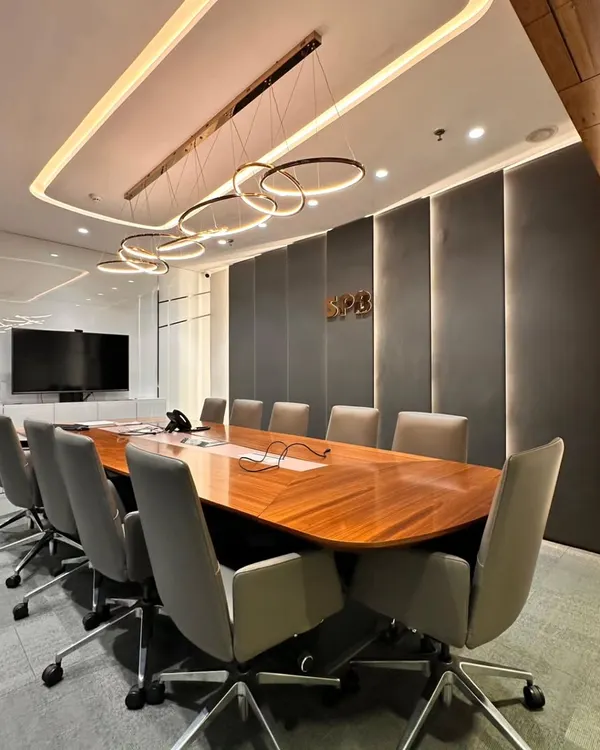
Sophisticated Executive Suites and Boardroom Designs
 8
8
Collaborative & Open Workspaces Design
 6
6
Modern Corporate Workspaces and Functional Office Interiors
More from Commercial Interior Design by Nikhil Interiors
More services by Nikhil Interiors