The Photographer in the Field
Photography goes beyond the final image. It is defined by the hours of tracking, the silence of the hide, and the technical discipline required to document life in the wild.
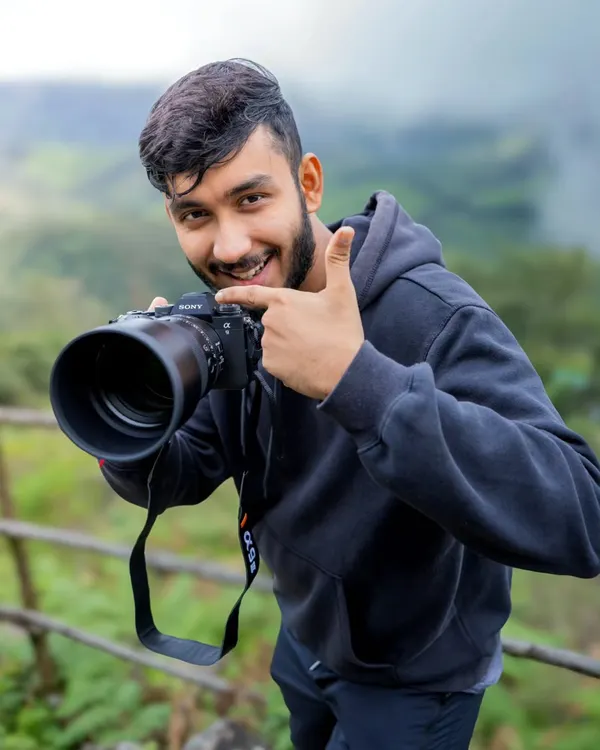
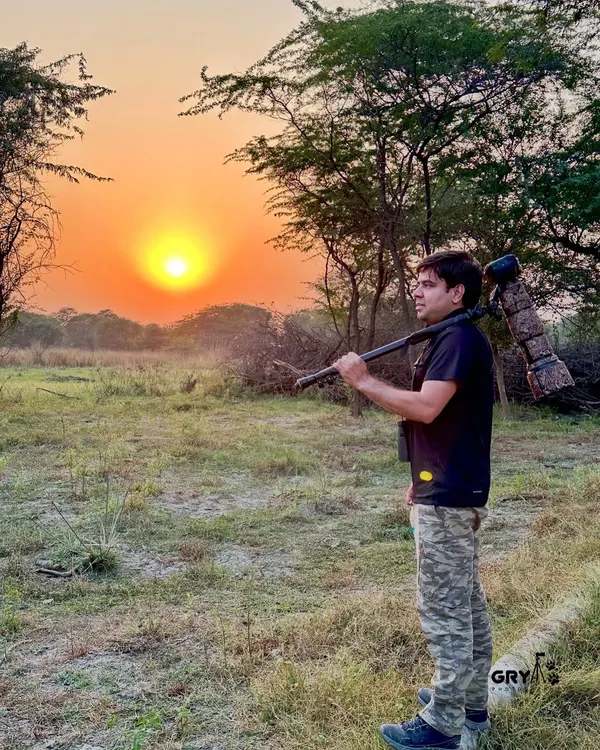
A photograph is the final product, but the process involves countless hours spent in the field. This image shows me at work, fully immersed in the environment, a practice that is fundamental to my approach as both a naturalist and a photographer.
About The Photographer in the Field
I do not walk into a forest and simply start shooting. My work in the field involves days of scouting, setting up camera traps, and understanding the specific, recurring patterns of the animals I follow. If you are looking to learn this approach, my workshops focus on this exact reality: the technical discipline of hide construction and the patience required to capture authentic, high-impact stories without ever intruding on the animal's space.
Field Ethics and Technical Rigor
True conservation photography is less about the camera and more about the field craft. Whether I am in the Aarey forest or documenting wildlife on the city fringes, the process remains the same. I prioritize minimal impact, which often means spending days in blinds or testing equipment to ensure that when the moment comes, I am ready to document natural behavior, not a staged interaction.
The Camera Trap Advantage
Many of the images you see here were captured using remotely triggered camera traps. This technique allows me to document nocturnal species like the urban leopard without my presence altering their behavior. It is a precise process that requires:
- Careful site selection based on animal trails.
- Ethical hide construction that blends into the environment.
- Rigorous equipment testing to ensure reliability in unpredictable weather.
Mentorship and Workshops
I translate this field experience into 2-day residential workshops held at the CEC in Goregaon. These sessions are for those who want to move past basic gear settings and learn how to:
- Set up DSLR camera traps for wildlife.
- Maintain ethical standards while working in the field.
- Edit images with minimal deviation from RAW files to keep the integrity of the original story.
If you want to understand how to turn a photograph into a conservation narrative, my sessions provide the technical audit and storytelling guidance you need.
Similar work from other experts
Browse through Curated picks from other experts on mytribe
Wildlife Photography & Fieldcraft Stories
 17
17
Wildlife Photography Safari & Field Mentorship
 19
19
Creative Wildlife Photography: Mastering Light and Mood
 6
6
Wildlife Photography Workshops & Pro Tips
 18
18
The Art of the Wild: Creative Wildlife Photography
 5
5
Behind the Lens: My Wildlife Photography Process
More from Photography Education & Speaking Engagements by Nayan Khanolkar
More services by Nayan Khanolkar