The Art of the Wild: Creative Wildlife Photography
Wildlife photography is more than just documentation. I use techniques like low-key lighting, panning, and creative framing to turn fleeting encounters into emotional stories that go beyond the usual portrait.
By using a high-key effect, these two egrets are transformed from birds into a piece of flowing sculpture. This technique isolates the form and movement of the subjects.
This composite image of an owlet and the moon is a work of creative storytelling. It evokes a sense of magic and wonder that goes beyond a simple portrait.
Using a low-key technique with deep shadows, this tiger's snarl becomes a dramatic and terrifying display of power. The focus is entirely on the teeth and the aggression.
A minimalist masterpiece. The small silhouette of the harrier against the huge, setting sun creates a powerful sense of scale and solitude in the vast grasslands.
The intentional use of lens flare gives this image of a blackbuck a dreamy, ethereal quality, turning a simple moment into a piece of art.
An atmospheric landscape where the bird is just one element in a larger story about the cold, misty morning at Taal Chhapar. The mood is the main subject here.
A playful and creative take on reflections. By seeing the world from a different angle, we can create images that are surprising and delightful, like this "virtual kiss."
A common crow, shot from a dramatic low angle against a bright sky, becomes a menacing and powerful figure. Perspective changes everything.
The abstract line of flamingos and their perfect reflection create a stunning, symmetrical pattern. This is about seeing shapes and colors in nature, not just birds.
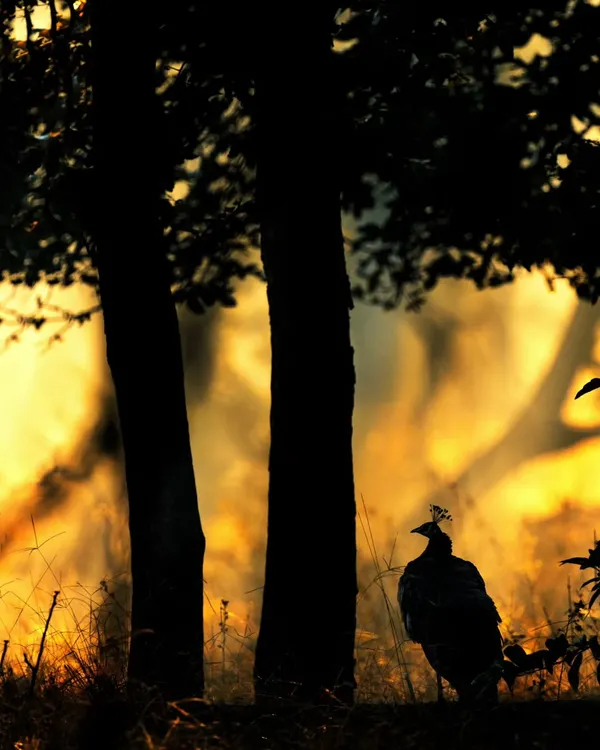
A dramatic sunset in Bharatpur, where the birds on the branch become simple silhouettes against a fiery sky. This is a classic technique for creating emotional landscape photos.
About The Art of the Wild
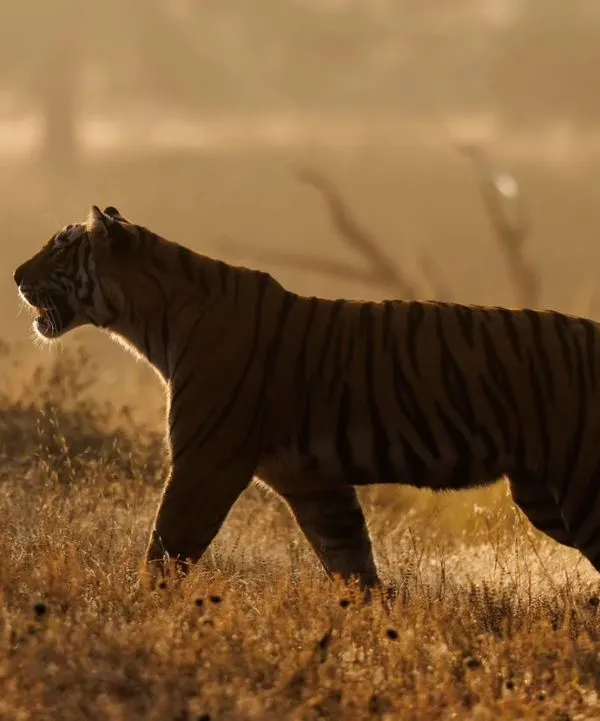
When I pursue 'The Art of the Wild,' I rarely rely on auto-settings. I prefer manual exposure to control how the light interacts with the scene, whether it is capturing a silhouette against a sunrise or using panning to turn a running spotted deer into a blur of energy. It is not about simply spotting an animal; it is about waiting for the moment the environment and the subject tell a story together.
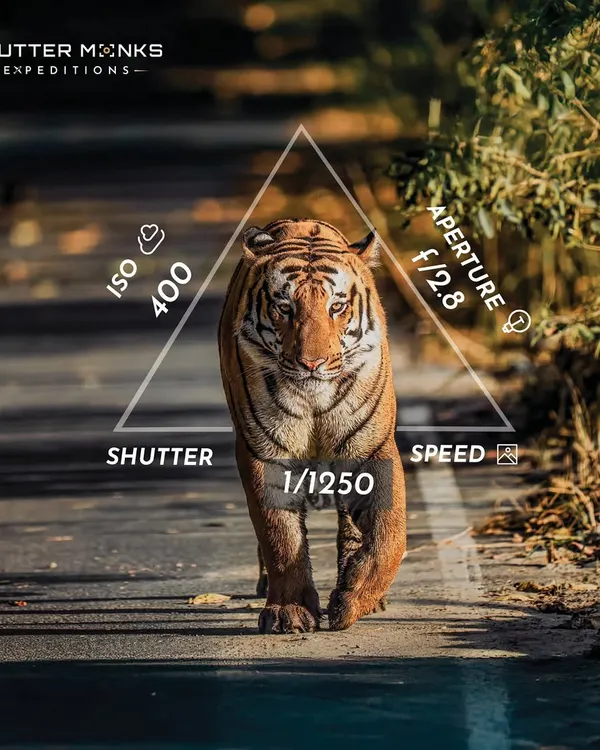
Photography in the wild is about patience and preparation. My approach combines the technical rigour of using flagship cameras like the Nikon Z9 or Sony A1 with the patience of a naturalist. Whether we are in the golden grasslands of Tal Chhapar or the dense forests of Kanha, the goal remains the same: to capture the mood, not just the subject.
Why Technique Matters
- Understanding Light: Most of my best shots happen at the start or end of the day. You have to be ready before sunrise to catch the mist and the soft, directional light that brings textures to life.
- Mastering Motion: For action shots, like a bird in flight or a predator on the move, I teach you how to balance shutter speed and tracking modes so you do not miss the decisive moment.
- Composition: Sometimes, you need to simplify. I use framing, reflections, and deep shadows to draw the viewer's eye exactly where it needs to be, making the image feel like a piece of art rather than a snapshot.
The Workshop Experience
When you join my expeditions, you get more than a guide; you get a mentor. We spend our evenings reviewing shots, discussing cropping, and refining your post-processing workflow. We keep group sizes small—usually 2 to 4 photographers—to ensure that everyone gets the best angles without getting in each other's way. My workshops in places like Bandhavgarh and Tadoba are designed to help you build a portfolio you are proud of, with hands-on practice in real-world scenarios.
Similar work from other experts
Browse through Curated picks from other experts on mytribe
 19
19
Creative Wildlife Photography: Mastering Light and Mood
 28
28
Creative Wildlife Photography & Composition Techniques
 6
6
Wildlife Photography Workshops & Pro Tips
 12
12
Silhouettes & Monochrome Wildlife Photography
 16
16
In-Camera Creative Exposures: Surreal Wildlife Art
 11
11
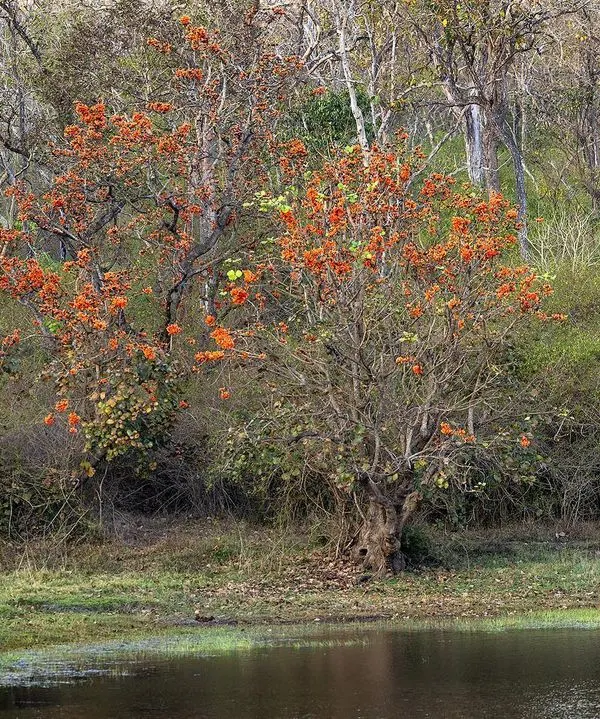
Tigerscapes: Environmental Wildlife Photography
Find your next photography adventure
Explore different types of tours and mentorship programs I offer.
More from Photography Tours & Workshops by Girish Singh
More services by Girish Singh