Rebuilding Kamirpura: A Hands-On Disaster Relief Approach
When floods devastated Kamirpura, we didn't just send funds. We got on the ground to clear silt, build embankments, and help farmers save their harvest.
This was the sight that greeted us in Kamirpura. The village sign, nearly submerged, symbolized the immense scale of the devastation caused by the Punjab floods. It was clear that we had to adopt the village and commit to its complete restoration.
The community in Kamirpura needed more than just funds; they needed helping hands. With the sowing season ending and fields buried under silt, our team focused on providing the urgent, practical support required to help people reclaim their homes and livelihoods.
Restoration began with a commitment to transparency. Every rupee raised for the grassroots rebuilding of the village was tracked online, with direct transfers to service providers and no cash transactions. Here, a local is seen carrying materials for the reconstruction effort.
We can find opportunities to serve in all aspects of life. In this video, I am speaking at a DHCBA Pickleball tournament, where I used the platform to appeal to my fellow members of the bar to contribute generously to our Punjab flood relief fund.
About Rebuilding Kamirpura: A Hands-On Approach
We believe in radical transparency for relief efforts. Every rupee raised for rebuilding Kamirpura is tracked online with direct digital transfers to service providers, ensuring zero leakage. When we arrived, the village was buried under four feet of silt, and the sowing season was ending. We didn't just sit in a meeting; we spent weeks on the ground with Akaal Purkh Ki Fauj, physically clearing debris and building embankments to save the upcoming harvest.
Disaster relief, much like legal practice, requires more than just good intentions. It demands presence and accountability. When the Punjab floods hit, the scale of destruction in Kamirpura was immediate and overwhelming. We chose to move beyond simple donations because money alone cannot clear four feet of silt or navigate local logistics.
Our Operational Approach
- Direct Action: We partnered with local volunteers and Akaal Purkh Ki Fauj. Our primary goal was restoration—not just temporary aid. This meant hiring heavy machinery (JCBs and earthmovers) to remove layers of silt that prevented farmers from sowing their crops.
- Total Transparency: One of my core beliefs is that the process must be as clean as the intent. We implemented a strict no-cash policy for all relief expenses. Every transaction is a direct digital transfer, and every project expense is tracked so that donors know exactly where their contribution went.
- Building Resilience: Beyond the initial clear-up, we constructed temporary sandbag embankments to act as a first line of defense against future water logging. It was not just about fixing the damage done, but preparing the land for the next season.
Why We Do This
I have seen my own home in Kerala go underwater and my office in Delhi ruined. I know that the difference between recovery and ruin is often the speed and reliability of the help that arrives. For me, this is a part of my duty—just as I fight for those who cannot afford a lawyer, I work to support communities that have been ignored. Kamirpura is now back on its feet, but the work of building resilient systems continues.
Similar work from other experts
Browse through Curated picks from other experts on mytribe
Emergency Flood Relief Feeding for Delhi's Stray Dogs
 7
7
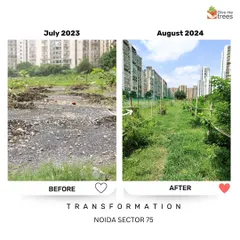
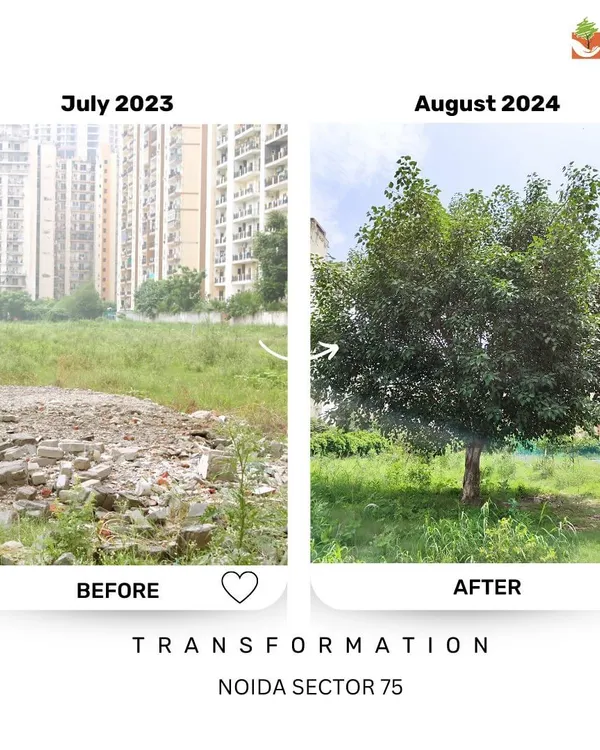
Ecological Restoration and Urban Forest Creation
 7
7
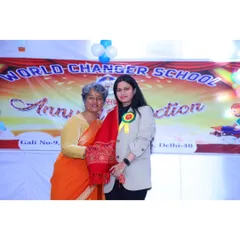

Community Legal Outreach and Aid in Delhi
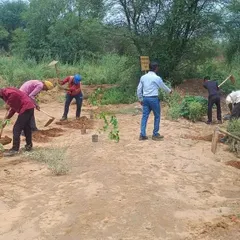
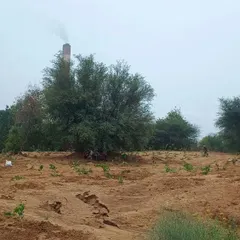
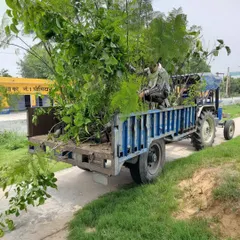
Our Green Initiatives & Plantation Drives
The Realities of Community Composting
 17
17
Our Mission: Sustaining Craft & Earth
More from Philanthropy & Social Work by Narayanan Hariharan
More services by Narayanan Hariharan