Lok Adalat Settlements: Fast Resolution in Delhi Courts
Not every legal battle needs to drag on for years. I help clients identify compoundable offenses that can be resolved quickly and amicably through the National Lok Adalat.
A glimpse of the National Lok Adalat at Tis Hazari Court. This is an effective forum for resolving certain types of cases, like those involving financial disputes or minor offenses, without a full trial.
Attending the first National Lok Adalat of 2024. I actively help my clients use this platform for speedy and amicable settlements when it is in their best interest.
This reel starts at the National Lok Adalat and reflects on the results of hard work. Achieving a favorable outcome for a client, whether through trial or settlement, is the ultimate goal.
About Settlements and Alternative Resolutions
You don't always need to fight a case until the very end to get justice. For many compoundable offenses, the National Lok Adalat offers a faster, stress-free route to closure. I walk you through the process, helping you weigh the pros and cons to see if an amicable settlement is actually the smarter move for your specific situation.
Why Choose Settlement?
Courts in Delhi—be it Rohini, Tis Hazari, or Karkardooma—are heavily burdened. If your case falls under 'compoundable offenses,' you might be eligible for a settlement at the National Lok Adalat. This isn't about backing down; it's about being practical.
How I Help You Resolve Matters
When we look at your file, I don't just jump into trial mode. We analyze if a middle ground is possible:
- Case Assessment: We check the nature of the offense and the likelihood of a settlement.
- Procedural Guidance: I handle the paperwork for the Lok Adalat, ensuring your presence is handled correctly and your terms are documented.
- Clear Advice: I tell you straight up if a settlement is in your best interest or if fighting the trial is necessary. My goal is to get you out of the court system as quickly and cleanly as possible.
Practical Reality
Many clients fear that settling means 'losing,' but in reality, it means 'moving on.' It saves you from repeated court dates, mounting legal fees, and the mental exhaustion of a long-drawn trial. I have personally assisted many clients in navigating these benches, ensuring that when the case closes, it stays closed. If you have been stuck in a loop of hearings and want to know if there is a way out, reach out. Let’s see what the law allows for your specific case.
Similar work from other experts
Browse through Curated picks from other experts on mytribe


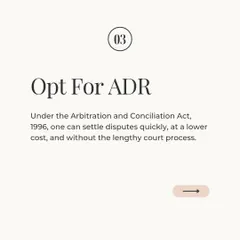
Smarter Dispute Resolution: Beyond the Courtroom
 4
4
Strategic Dispute Resolution and Legal Consultancy in Delhi


National Lok Adalat: Practical Legal Help for Traffic Challans
 4
4


Alternative Dispute Resolution & Arbitration Services
 5
5


Legal Solutions, Mediation & Arbitration in Delhi
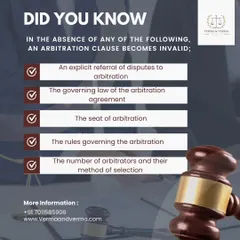
Faster Dispute Resolution: Mediation & Arbitration
More from Criminal Defense by Manish Sharma
More services by Manish Sharma