Postpartum Recovery & Core Rehabilitation
Recovery is a journey, not a race. Our core rehab programs focus on gentle, science-backed movement to help you heal your pelvic floor, manage postpartum aches, and feel strong in your skin again.
Core breathing, or diaphragmatic breathing, is one of the very first exercises you can do after childbirth. It helps retrain your entire core and pelvic floor, providing much-needed stability.
Pelvic tilts are another gentle but essential exercise you can do in the first few days after birth. They help you regain pelvic floor strength and stability, and can help with the "mummy pooch."
Kegels are often recommended, but they aren't always enough. This video shows more effective exercises like bridges with a ball squeeze and bear crawls to truly strengthen your pelvic floor post-delivery.
After birth, your body goes through immense physical and hormonal changes. We explain what to expect, from uterine contractions and swelling to perineal discomfort and fatigue, so you can feel prepared.
Perineal tears are a common but rarely discussed part of childbirth. We share essential tips for healing, including hygiene, pelvic floor exercises, and when to avoid strenuous activity.
Vaginal prolapse can occur after childbirth due to a weakened pelvic floor. This video explains the condition and demonstrates exercises that work against gravity to help strengthen your support system.
Our Labor and Immediate Postpartum Care Workshop is a must for all women in their third trimester. We cover everything from labor breathing to C-section recovery and breastfeeding tips to help you feel prepared.
About Postpartum Recovery & Core Rehab
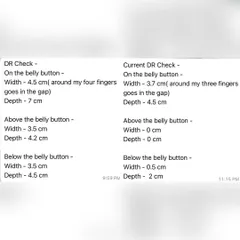
We often get asked about the so-called mummy pooch. The reality is that standard crunches can actually make abdominal separation, or diastasis recti, worse. Instead, we start with core breathing to retrain your deep transverse abdominis muscles, creating stability from the inside out before moving to more intensive strengthening exercises.
The journey of motherhood requires a shift in how you view fitness. In the weeks and months after childbirth, your body is recovering from significant physical trauma. Whether you are dealing with diastasis recti, pelvic floor weakness, or general postpartum fatigue, our goal is to help you rebuild functionality.
We operate out of our Koramangala studio in Bengaluru, but our programs are built to support you wherever you are. We don't believe in generic 'bounce back' plans. Instead, we use a progressive, trimester-agnostic approach that respects where your body is today. Our rehabilitation involves gentle pelvic tilts, deep core engagement, and functional movement patterns that help you lift your baby, carry a car seat, and get through the day without back or hip pain.
Why focus on core rehab?
Many women return to high-impact exercise too soon, which can exacerbate issues like urinary incontinence or prolapse. We prioritize safety by teaching you how to reconnect with your breath and engage your pelvic floor correctly. This is the foundation of all our work—before we add resistance or intensity, we ensure your core is ready to support you.
Whether you had a vaginal delivery or a C-section, your recovery needs are unique. We provide clear, manageable exercises that you can integrate into your new life, acknowledging that you probably don't have hours to spend in a gym. Our community is here for the hard days and the good ones, providing the guidance you need to move forward with confidence.
Similar work from other experts
Browse through Curated picks from other experts on mytribe
Postpartum Recovery and Core Rebuilding
 13
13
Postpartum Recovery & Clinical Physiotherapy
Postpartum Recovery: Core Rehab from the Inside Out
Pelvic Floor & Core Recovery
 10
10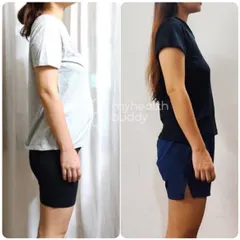


Postpartum Core Recovery and Healing
Safe and Effective Postpartum Recovery Workouts
More from Prenatal Fitness Program by Tribher
More services by Tribher