Upholding Legal Ethics: Real Advocacy vs. Influence
The legal profession is defined by integrity, not social media performance. Here, I stand for the ethical practice of law as mandated by the Advocate Act.
How do you tell the difference between a real lawyer and a legal influencer? The Advocates Act of 1961 and BCI guidelines are clear: no solicitation of work. I am passionate about educating the public on what constitutes professional misconduct so they can identify genuine advocates.
The Supreme Court now includes an option to identify as a "First Generation Lawyer" in the application for Senior Advocate designation. This is a crucial step. For those of us who built our careers without a family legacy in law, this recognition acknowledges the immense challenges we overcome.
I am deeply concerned about the harassment young female advocates face within the fraternity. Many are afraid to speak out against powerful seniors. I am advocating for a stronger committee where women can report grievances secretly and safely, because no one should have to trade their dignity for their career.
The Advocate Act of 1961 prohibits self-promotion and aggressive advertising to maintain the dignity of our profession. While some relaxations for online information exist, many are crossing the line. I believe in upholding these ethical standards to ensure justice remains our primary focus, not personal branding.
I am proud to fight against injustice wherever I see it. When I saw a motivational speaker involved in a scam, I supported the fight against it. You cannot threaten me into silence. The truth will always have a voice.
About Upholding the Profession: Ethics & Activism
When you hire an advocate, you aren't paying for a personality; you are paying for strategy that adheres to the law, not a script designed for views. The Advocate Act of 1961 exists to protect you from solicitation and ensures your counsel remains focused on your case, not their public image. I prioritize court-tested preparation over performance, because in the courtroom, sensationalism fails where real preparation succeeds.
The line between an educator and a 'legal influencer' has blurred, and it is costing clients their peace of mind. As a first-generation lawyer, I built my reputation on arguments filed in court, not reels posted online.
Why Ethics Matter to Your Case
When a lawyer treats a case file as content, they are distracted. True advocacy requires discretion. The Bar Council of India (BCI) guidelines clearly prohibit the solicitation of work because the law is not a product to be sold; it is a remedy to be pursued. When you engage a professional who follows these standards, you are guaranteed:
- Confidentiality: Your private details, medical history, or divorce evidence are never used for 'educational' clout.
- Procedural Integrity: We work within the bounds of Section 65B compliance for digital evidence, not flashy shortcuts that judges dismiss.
- Focus: My priority is the outcome of your matter in the Gurugram or Delhi courts, not how many views a clip gets.
The First-Generation Difference
I didn't inherit a firm. I fought for my position in this fraternity. This struggle taught me that there are no shortcuts to justice. Whether I am drafting a petition for property disputes or challenging a maintenance order, I bring the same rigor to every client. If you are tired of the noise and need a lawyer who fights for your interests with dignity, you are in the right place.
Similar work from other experts
Browse through Curated picks from other experts on mytribe
Legal Advocacy and Court Updates
 55
55
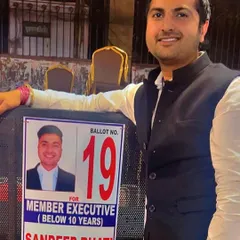
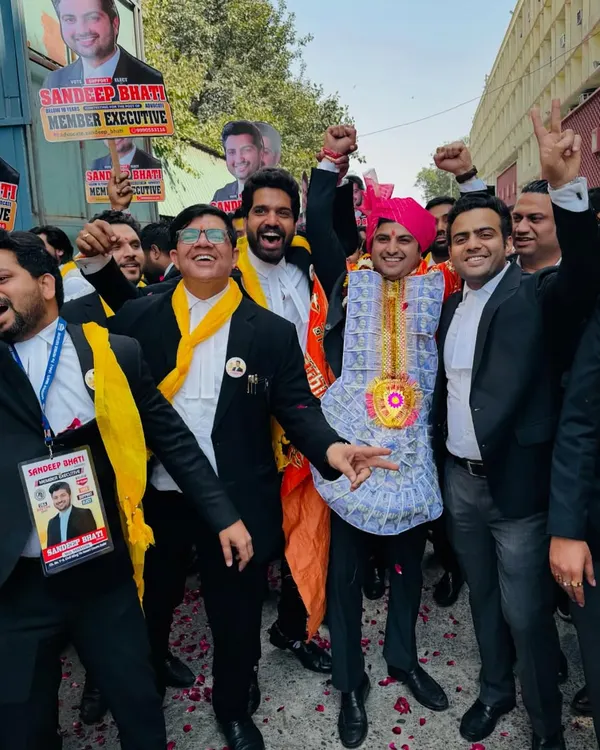
Campaigning for the Delhi Bar Association
Life as an Advocate: Behind the Scenes of Law in Delhi
 11
11


The Professional Advocate: Standards of Legal Excellence
My Professional Philosophy: Justice Over Fees
 29
29
Legal Leadership and Community Engagement
More from Family Law by Pooja Khandelwal
More services by Pooja Khandelwal