Playful Literacy and Story Time Activities
We believe reading and writing should feel like a discovery, not a task. Our literacy programs turn stories and grammar into hands-on adventures for your child.
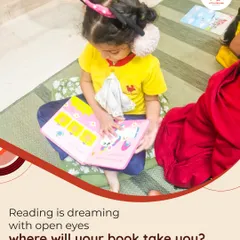
Our reading nook is a cozy and inviting space for children to relax with a book. I carefully select age-appropriate stories that are displayed on a soft mat, encouraging children to explore them independently.
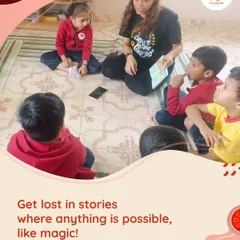
I often take story time outdoors to our green space. Reading to a small group in a natural setting is a wonderful way to capture their attention and connect stories to the world around them.
An educator guides a group of older children through a pre-writing worksheet. We use fun, structured activities like this to help them develop the fine motor control needed for writing letters and numbers.
This image shows a focused group of pre-kindergarteners practicing their writing skills. I provide gentle guidance and support as they learn to hold a pencil and form shapes.
A young child practices her coloring skills, which is an important pre-writing activity. Staying within the lines helps develop the pincer grip and hand-eye coordination.
This toddler is deeply focused on her coloring sheet. Even simple scribbling is a crucial first step in the journey toward writing.
A group of children sits together at a table, each working on their coloring page. This quiet, focused activity is a great way for them to practice fine motor skills in a social setting.
Another view of our little artists at work. I provide a variety of coloring and writing activities to keep them engaged and build their readiness for kindergarten.
Learning about nouns becomes an adventure with this collaborative drawing activity. Children work together to draw people, places, and things, making grammar a visual and interactive experience.
About Literacy & Story Time
Instead of focusing on rote repetition, we start by building the physical control needed for writing. You will often see our students using fine motor activities like coloring or clay work to strengthen their pincer grip, or turning grammar into a game by sketching the 'nouns' they find around our center, which makes language feel like a natural part of their day.
For us, literacy is a bridge between a child’s imagination and the world around them. Our approach in Judicial Layout, Yelahanka, is to remove the pressure that often turns children away from reading. By integrating phonics instruction with storytelling, we ensure that children are not just decoding words but finding joy in the rhythm of language.
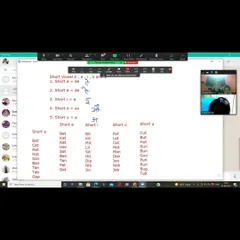
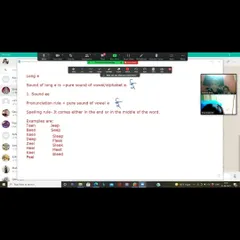
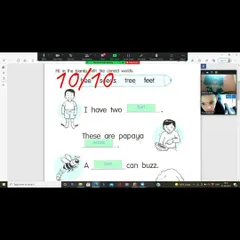
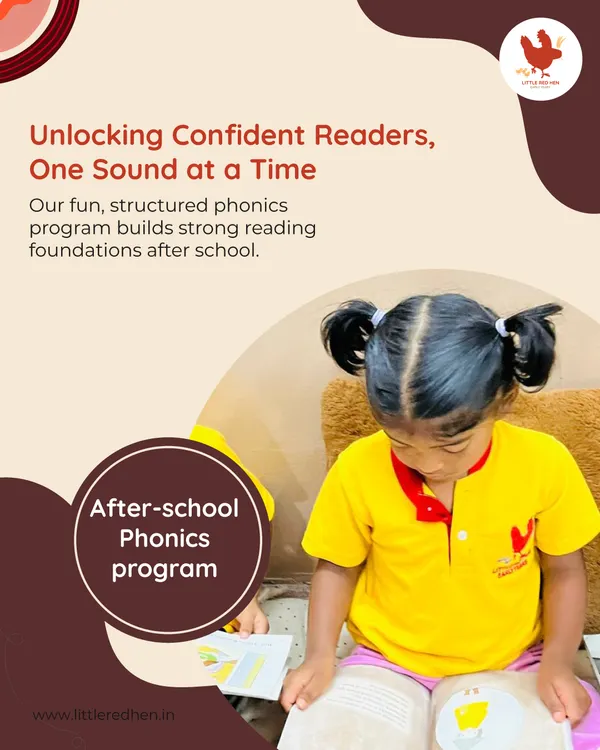
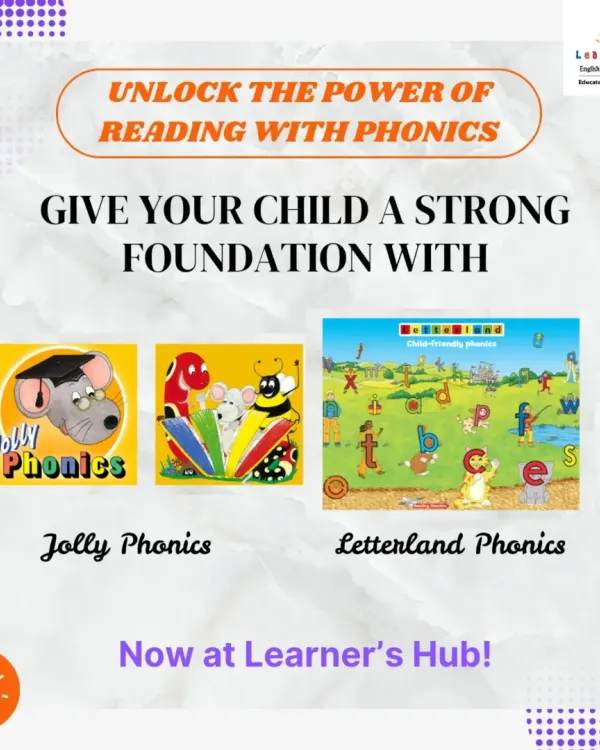
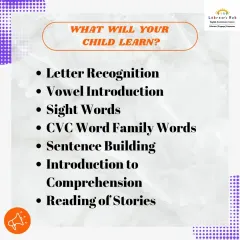
Our Bi-Weekly Phonics and Reading Club is designed for children who are ready to explore letters and sounds in a more structured yet low-stress environment. We move through letter sounds, blends, and digraphs using games, songs, and guided reading sessions. Because we keep our group sizes small, every child gets the chance to narrate a story or ask questions, which helps build their speaking confidence.
We also prioritize the 'pre-writing' phase. This is why you will see our children working on chalkboards, bubble wrap painting, and sensory art. These activities are designed to build the dexterity required to hold a pencil properly later on. When children learn to connect the shape of a letter to a sound through movement—whether it is drawing a story on a large easel or tracing shapes in the sand—it sticks. We focus on this foundational skill building because it creates a love for learning that lasts well beyond their time in our after-school programs.
Similar work from other experts
Browse through Curated picks from other experts on mytribe
Literacy & Language Adventures: Building Early Foundations
Fun with Phonics & Stories Classes
Phonics & Early Reading Classes for Kids
 21
21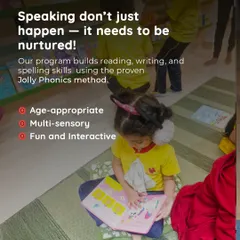
Our Phonics and Reading Program
 32
32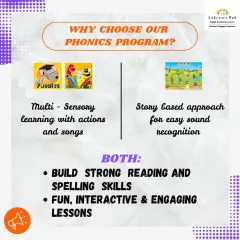
Phonics Classes and Early Reading Programs
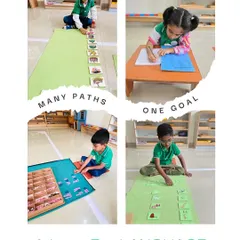
Nurturing a Love for Language through Montessori Methods
More from After-School Enrichment Programs by Knowledge Origin
More services by Knowledge Origin