Tigers of India: Capturing the Striped Kingdom
India is the tiger's realm, and I have spent years tracking these magnificent cats through the historic ruins of Ranthambhore and the dense jungles of Tadoba. Here is how I frame their stories in the wild.
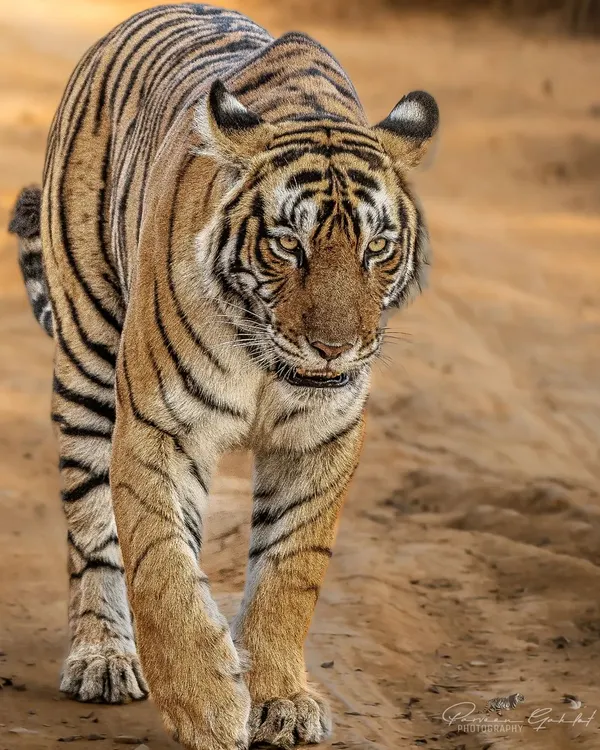
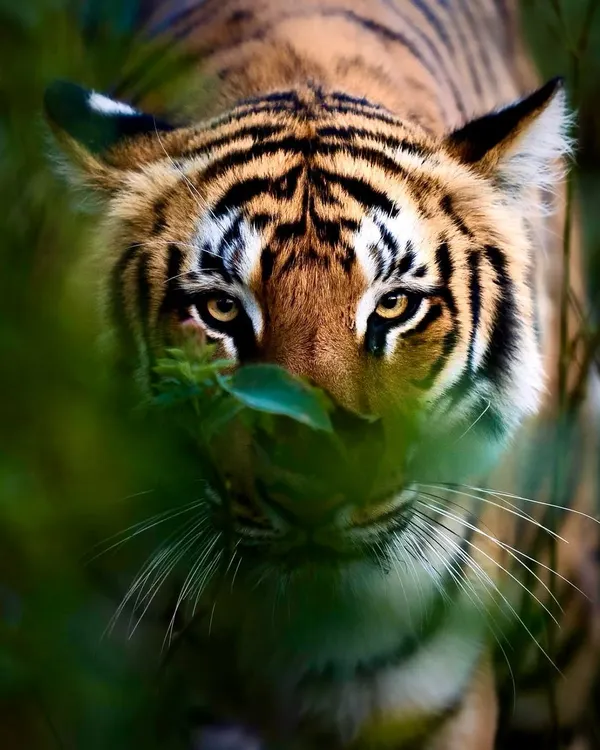
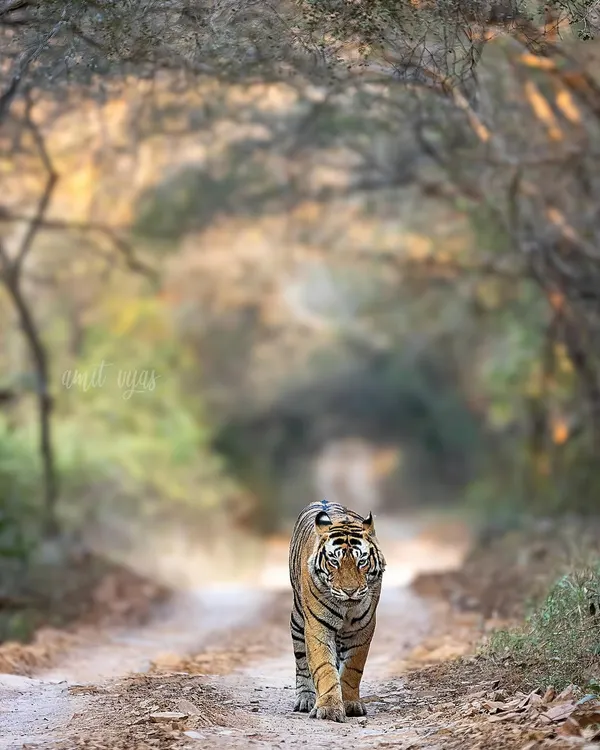
A head-on look from Choti Madhu in Tadoba. There's nothing quite like the feeling of a tiger walking straight towards you. It's a lesson in holding your nerve and your focus.
The intense gaze of T-120, also known as Ganesh, from Ranthambhore. Each tiger has a unique personality, and my goal is to capture that character in a single frame.
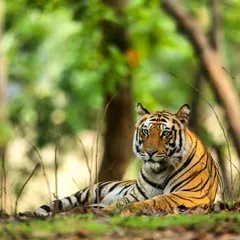
This young tiger in Tadoba shows a hint of curiosity. On my photo tours, we work on capturing these subtle expressions that tell a deeper story.
A tiger emerges from the shadows in the Indian jungle. Learning to work with contrasting light is key to creating dramatic and powerful wildlife images.
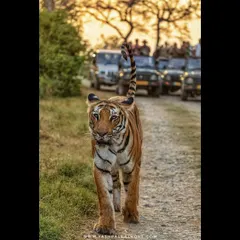
The perfect catwalk. This tiger moves with a confidence that commands respect. We focus on composition to emphasize this powerful stride.
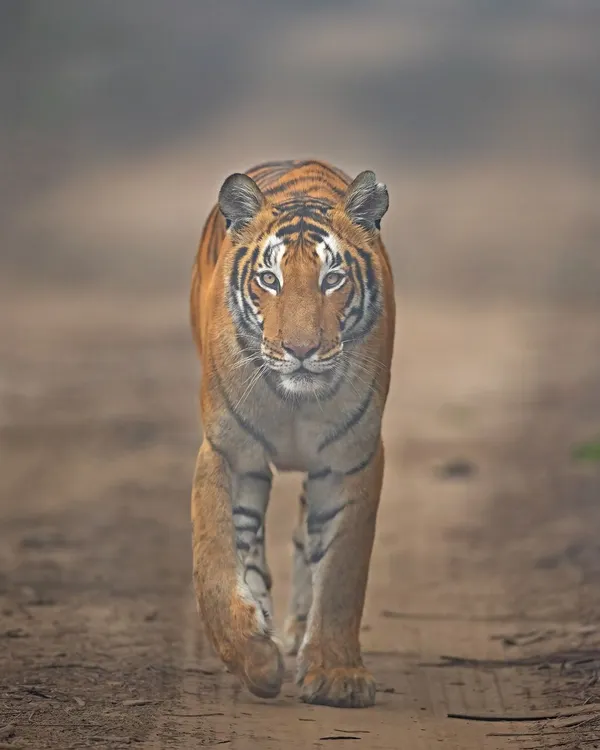
A tiger moving through the morning mist. Atmospheric conditions like fog can transform a scene, and I teach you how to use them to create moody and artistic shots.
The show stopper of Kisli, the Z1 Male from Kanha. Capturing a clean, powerful head-on shot like this is a classic goal for any wildlife photographer.
Another angle of the magnificent Z1 Male from Kanha, showing his powerful build and focused intent as he patrols his territory.
The late King Bajrang of Tadoba, a tiger of immense size and shy nature. This was a rare moment where he walked head-on, a memory I will always cherish.
A young tiger cub from the Taru road in Tadoba. The charcoal-tinted roads of this park provide a unique, high-contrast backdrop for tiger photography.
About The Striped Kingdom: Tigers of India
When you are shooting on the iconic charcoal-tinted roads of Tadoba, do not aim for balanced light. Underexpose by one stop. The bright orange of the tiger will pop perfectly against the dark road, giving you that dramatic contrast you see in my shots. It is a simple technical tweak, but it completely changes the mood and impact of your frame.
Photography in the Indian jungle is about more than just finding the cat. It is about the patience to wait for the light and the skill to handle the camera when the moment actually happens.
The Painter’s Perspective
I tell my students to stop being tourists and start being painters. Whether we are in the historic ruins of Ranthambhore or the deep forests of Kanha, the goal is the same. We look for the side-light that highlights muscle definition, the mist that adds mystery to the forest, and the specific behavior that tells a story. A head-on walk is a classic, but catching a tigress with her cubs in the Kolsa range—that is where the real connection happens.
Technical Mastery on the Ground
We do not just document; we execute. My mentorship focuses on the things that actually matter in the field:
- Exposure Compensation: Learning how to handle dark forest floors versus bright canopy light.
- Action Anticipation: Reading the tiger's tail flicks or ear movements to prepare your settings before the sprint begins.
- Creative Composition: Using the environment to frame the subject, not just zooming in until the animal fills the screen.
Where We Track
My expeditions take us to the heart of tiger country. We visit central Indian parks like Tadoba and Pench, as well as the unique landscapes of Ranthambhore. Each park has a distinct personality, from the charcoal roads of TATR to the sprawling meadows of Kanha. My tours are designed to get you in the right spot at the right time, with hands-on help from me to ensure you come back with frames you are proud of. Jo jungle mein milta hai, woh kahin aur nahi milta.
Similar work from other experts
Browse through Curated picks from other experts on mytribe
 23
23
Big Cats of the Jungle: Tiger & Leopard Photography
 54
54
Tracking Tiger Legends: The Living History of the Wild
 8
8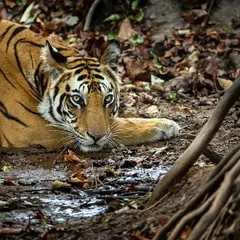
The Tigers of India: Wildlife Photography Expeditions
 37
37Tiger Photography Expeditions: Learn to Track and Shoot
 24
24
Big Cat Photography Expeditions
 57
57
Ranthambore: Capturing Legendary Tigers in the Wild
More from Wildlife Photography Workshops & Mentoring by Kapil Sharma
More services by Kapil Sharma