The Art of Monochrome Wildlife Photography
Monochrome isn't just removing color; it's revealing the raw soul of the wild. Join me as we strip away the distraction to focus on form, shadow, and the untamed spirit of the jungle.
An intense, close-up tiger portrait in black and white. Without color, your focus goes straight to the eyes, the texture of the fur, and the sheer power in that gaze. This is the same as image 59.
A rare black panther in monochrome. The high-contrast black and white treatment enhances its mysterious and ghostly presence.
A tiger emerges from the darkness, lit only by our jeep's headlights. This high-contrast scene was demanding to be shot in black and white to emphasize the mood and drama.
A family of monkeys huddles together. In monochrome, this image becomes a timeless study of connection, emotion, and family bonds.
A cheetah's portrait in black and white. The lack of color highlights the intricate spot patterns and the intensity of its expression.
The legendary DM male of Bandhavgarh. This is the color version, but the original caption explains my thought process for converting images like this to black and white to focus on form and contrast.
A Pedwali cub in Corbett, shot in low light and converted to monochrome. The shadows and highlights carve out the cub's form, creating a dramatic and intimate portrait.
About The Art of Monochrome
True monochrome photography isn't just hitting a 'desaturate' button. It's about 'seeing' in shapes and textures before you even press the shutter. When I'm in the field, I teach students to hunt for high-contrast light—that interplay of deep shadows and bright highlights—because those are the ingredients that make a black and white portrait hit you right in the gut.
Beyond the Colors
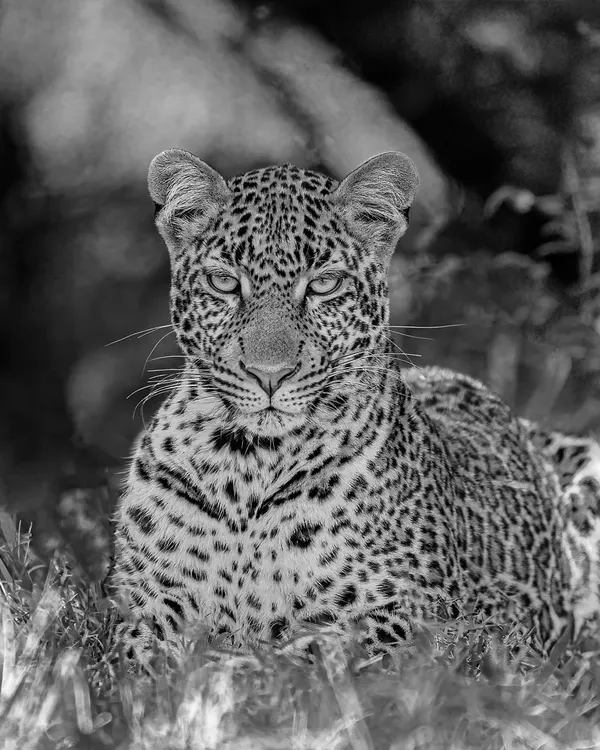
Sometimes, the jungle tells a story that color actually gets in the way of. When I convert an image of a tiger walking out of the darkness or a leopard on a hunt, I am not just removing color. I am looking to reveal the grit, the form, and the intensity in the subject's eyes.
My Approach to Monochrome
When we are out on safari, I don't just tell you to 'shoot for B&W'. I teach you how to analyze the scene:
- Light is your paintbrush: We look for side light to reveal the texture of fur or backlight to create a dramatic silhouette.
- The Midtones: This is the glue. It balances the contrast and keeps the details alive. If you ignore the midtones, the image loses its depth.
- The Eyes: In monochrome, there is nowhere to hide. The eyes must anchor the viewer, and in a great portrait, they should command attention.
The Digital Darkroom
Processing is a craft, not a preset. I walk my students through the 'Digital Darkroom' to show how I use Dodge and Burn techniques. We focus on pulling the light where the story lives and deepening the shadows to build mood. We add a touch of grain for that organic, timeless feel. It is about distilling the image to its core so that when someone looks at your photo, they feel the silence of the forest and the power of the beast.
Similar work from other experts
Browse through Curated picks from other experts on mytribe
 38
38
Monochrome Wildlife Photography: The Art of Black and White
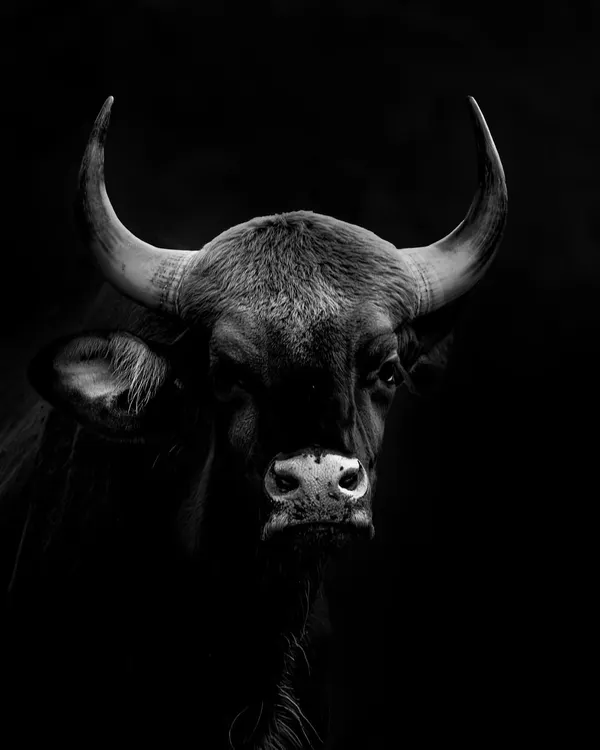 5
5
Monochrome Wildlife Photography
 12
12
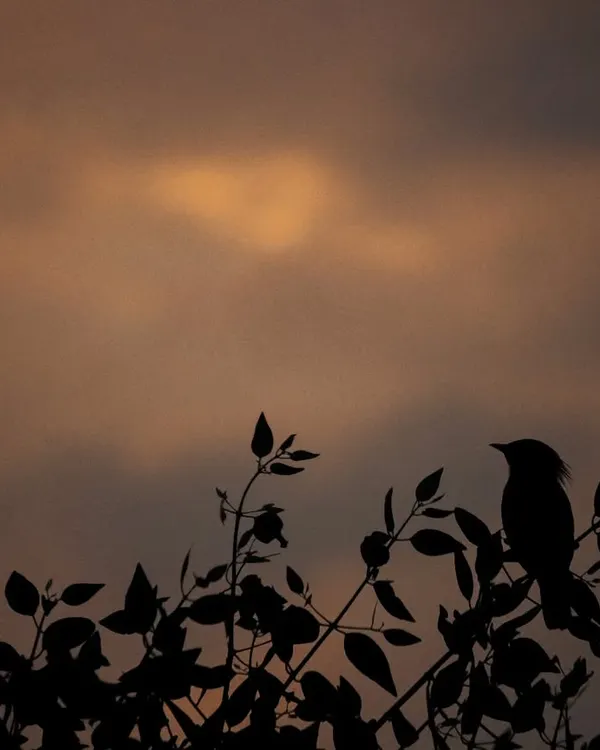
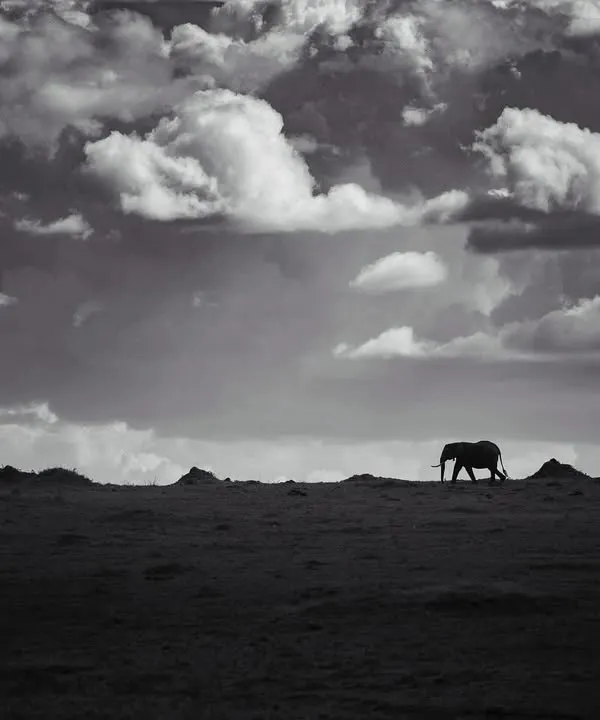
Silhouettes & Monochrome Wildlife Photography
 11
11
Artistic Monochrome Wildlife Photography
 19
19
Creative Wildlife Photography: Mastering Light and Mood
 12
12
Mastering Light: Creative & Artistic Wildlife Photography
More from Wildlife Photography Workshops & Mentoring by Kapil Sharma
More services by Kapil Sharma