The Tigers of India: Wildlife Photography Expeditions
Join my photography-focused expeditions through Bandhavgarh and Ranthambore. We prioritize small group sizes, optimal lighting, and responsible wildlife observation.
The Queen of Ranthambore, a tigress known as Arrowhead, on her territorial patrol. Capturing a direct, eye-level walk like this requires anticipation and positioning, resulting in a powerful and engaging portrait.
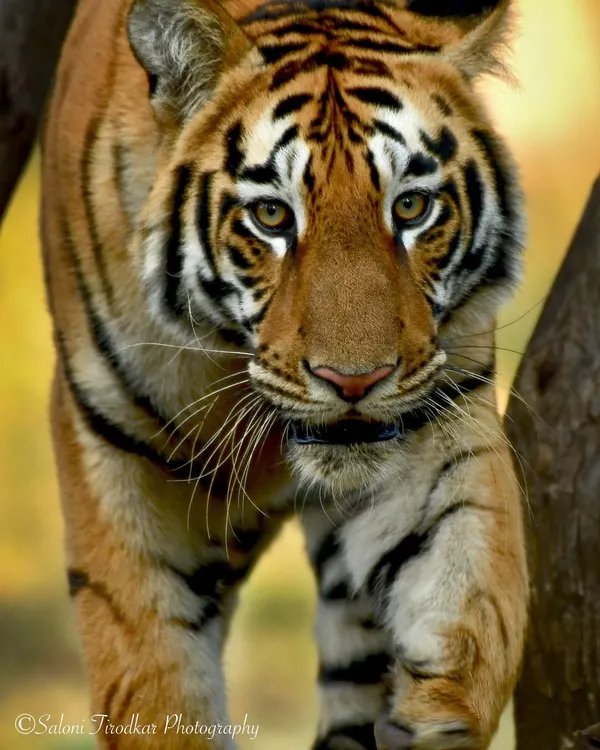
This is Kajri, a beautiful tigress named for her mesmerizing, kohl-lined eyes. Getting low to the ground for a portrait like this creates an intimate connection with the subject.
A young male tiger rests in the soft light of the forest undergrowth. The blurred green background helps the subject stand out, creating a classic and pleasing wildlife portrait.
A tigress walks confidently down a jungle path, with a line of safari jeeps in the background. This image shows the immense draw of these magnificent animals and the responsible way we observe them on tour.
Riddhi and Siddhi, the cubs of the famous tigress Arrowhead, resting in the shade of a rocky outcrop. Photographing young animals offers a chance to capture playful and curious behavior.
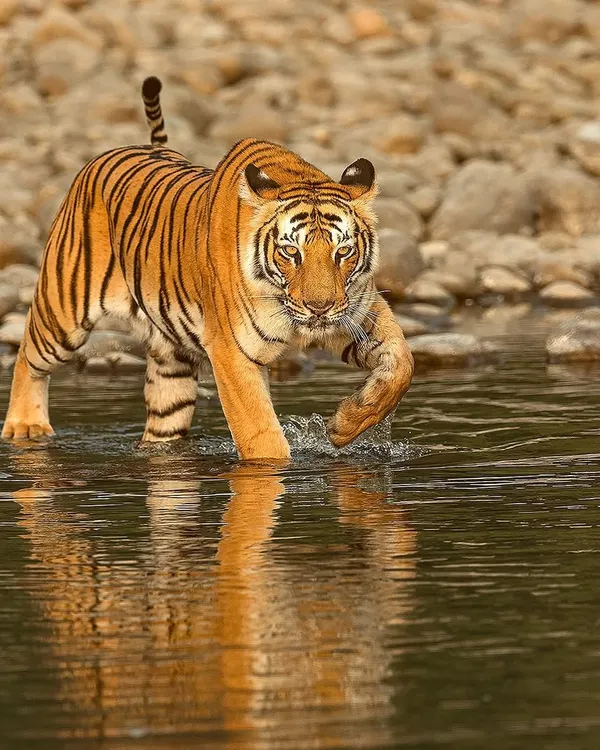
A tiger wading through a water body to cool off during the hot Indian summer. Understanding that tigers love water helps us anticipate their movements and be in the right place for shots like this.
A young tiger playfully leaps and splashes in the water. Action sequences like this are a thrilling experience and a fantastic photographic opportunity that we are always prepared for.
A Greater One-horned Rhino is silhouetted against the golden glow of a sunset in Kaziranga National Park, Assam. My Indian tours also focus on the other incredible wildlife that shares the tiger's habitat.
About The Tigers of India
I limit my groups to three or four photographers per vehicle, which completely changes the experience. Instead of fighting for the middle seat or worrying about someone else's lens, you get the space to actually maneuver for that perfect backlight or low-angle shot. I work exclusively with drivers who understand why we cut the engine for sound and how to position the Gypsy for the best light, so you spend your safari shooting rather than adjusting for bad angles.
My Approach to Tiger Photography
I treat every safari as a photography masterclass. We aren't just ticking boxes or chasing sightings at high speeds. When we find a subject, we wait. We wait for the 'Palat'—that specific moment when the animal turns its head to look back, revealing its personality. This level of patience is what separates a snapshot from a powerful portrait.
The Technical Edge
My engineering background influences how I teach. We focus on the physics of light rather than just camera settings.
- Backlight & Silhouettes: I teach you how to position against the sun to create rim lighting and dramatic outlines.
- Environmental Portraits: We look for the wider story, using the environment to frame the subject rather than just zooming in on the face.
- Action Tracking: Whether it is a tiger stalking, wading through water to cool off, or cubs playing on rocky outcrops, we practice predicting movement to get the shot in focus.
Logistics & Fieldwork
We focus on the prime tiger habitats like Bandhavgarh and Ranthambore. My domestic masterclasses (3N/4D) are structured to give you the best chance at success, including:
- Six exclusive jeep safaris: This provides maximum time in the field.
- Technical support: We end our days with post-processing sessions, reviewing your composition and discussing how to improve for the next drive.
- Respectful Observation: We follow strict protocols to ensure we do not disturb the wildlife, keeping our presence minimal to allow natural behavior to unfold, which ultimately leads to better photography opportunities.
Similar work from other experts
Browse through Curated picks from other experts on mytribe
 15
15
Bengal Tiger Photography Tours & Wildlife Safaris
 54
54
Tracking Tiger Legends: The Living History of the Wild
 12
12
Indian Tiger Photography Expeditions: Learn to Track & Shoot
 7
7
Photographing Corbett's Majestic Tigers
 42
42
Royal Bengal Tiger Photography
 13
13
Big Cat Chronicles: Encounters from the Wild
More from Guided Wildlife Photography Tours by Yashpal Rathore
More services by Yashpal Rathore