Leopard Photography Expeditions and Tracking
From the granite hills of Jawai to the dense canopy of Corbett, tracking these ghosts requires more than just a lens. Join me to master the art of finding the elusive leopard in its natural rhythm.
A leopard emerges from a cave in the granite hills of Jawai. This is a landscape of rust, rock, and rosettes.
A wider view showing the leopard perfectly camouflaged within the massive rock formations of Jawai.
An even wider environmental shot, challenging you to spot the leopard in its rocky domain. This is what tracking in Jawai is all about.
A beautifully composed shot of the Jawai leopard, using the natural frames of the rocks to draw the viewer's eye.
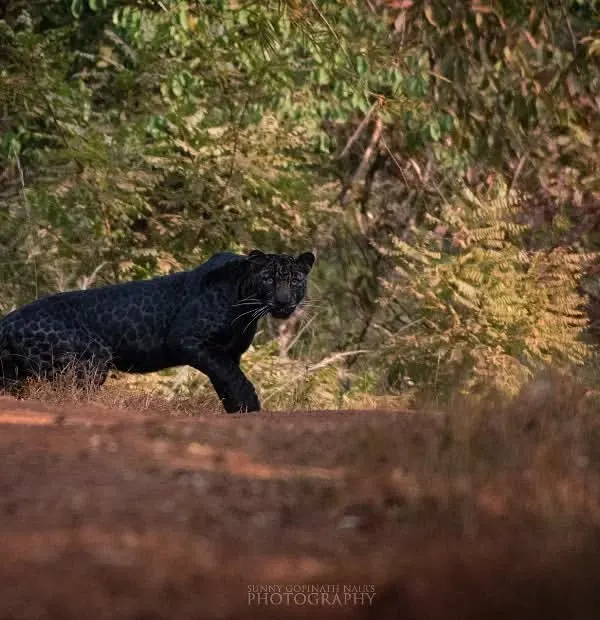
The ghost of the forest. A rare melanistic leopard, or black panther, photographed in the wild. Its eyes seem to glow in the monochrome image.
A leopard watches from the shadows of the central Indian jungle, a reminder that you are always being watched.
A leopard crosses a sun-dappled jungle track, a fleeting glimpse of this elusive cat.
A leopard rests on a rock, taking a moment to groom itself.
That's the spot! A leopard scratching an itch, a relatable and candid moment from the wild.
A leopard lounging on a tree branch in Corbett, bathed in the golden light of the evening.
About Leopards: The Elusive Ghosts
Leopards are not like tigers; they do not walk the main tracks waiting for you to spot them. In places like Jawai, I spend my time teaching how to scan the rock formations rather than just staring into the bush. You have to learn to read the alarm calls of langurs and peacocks to find them before they vanish back into the shadows. This is the difference between a random sighting and a deliberate, high-quality portrait.
Mastering the Art of the Ghost
Tracking a leopard is a game of patience and observation. While a tiger might dominate a forest track, the leopard is a master of camouflage. When you join my expeditions, we focus on two distinct environments that demand different skill sets.
Jawai: The Granite Kingdom
Jawai is unique. Here, leopards live in harmony with the local Rabari herdsmen among granite hills. The landscape is unforgiving and harsh, but it creates some of the most dramatic backdrops for photography. We don't just drive around; we sit and observe the rock faces. I teach you how to look for the 'rossettes' that blend into the rust-colored rocks. Because the terrain is open, we focus on wide-angle habitat shots as much as tight portraits.
Corbett & Central India: The Dense Jungle
In the Sal forests of Corbett or the jungles of Central India, the leopard is truly a ghost. The light is dappled, filtered through thick foliage, and the subject is often deep in the shadows. This is where we work on your technical settings—how to handle high ISOs without losing image quality, how to shoot through foliage to create framing depth, and how to stay ready for a fleeting appearance that might last only seconds.
My Approach to Leopards
- Reading the Jungle: We look for alarm calls, not just tracks. If the deer are calling, the ghost is near.
- Light Management: Whether it is the harsh contrast of the Jawai hills or the low, golden light of the forest floor, we adjust our aperture and shutter speeds constantly.
- Beyond the Snap: I am there in the jeep with you. We review shots in real-time, checking histograms and composition, ensuring you walk away with a portfolio that shows you understand the animal, not just a blurred shot of a spot.
Similar work from other experts
Browse through Curated picks from other experts on mytribe
 11
11
Leopard Photography Safaris in Jawai and Bandipur
 37
37
Leopard and Black Panther Wildlife Photography Tours
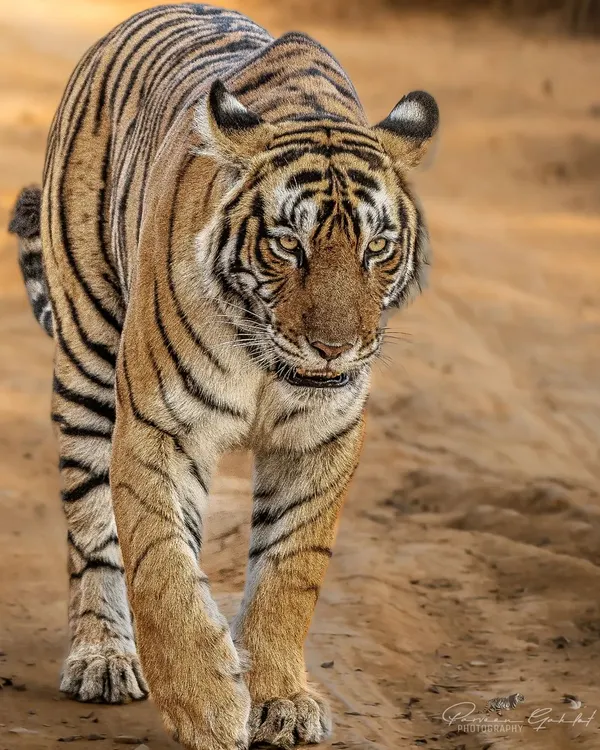 23
23
Big Cats of the Jungle: Tiger & Leopard Photography
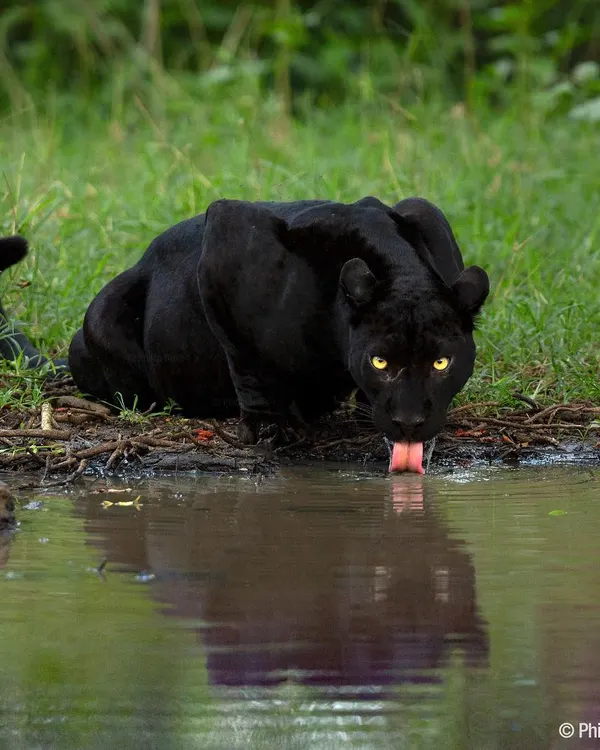 15
15
Tracking Leopards, Lions and Cheetahs: Big Cat Photography
 4
4
Big Cat Safari Photography and Wildlife Tracking
 5
5
Big Cats and Mammal Photography Safaris
More from Wildlife Photography Tours & Safaris by Kapil Sharma
More services by Kapil Sharma