Understanding the Legal Validity of Marriage in India
Legal recognition isn't just about the ceremony. Whether you are concerned about bigamy, the specifics of the Hindu Marriage Act, or the distinction between void and voidable marriages, understanding your legal standing is the first step toward resolution.
It is important to understand the difference between void and voidable marriages. I provide a clear introduction to these two categories, explaining how some marriages are invalid from the start while others are valid until challenged in court.
A void marriage is one that is not legally valid from its inception. I outline the specific conditions that make a marriage void under the Hindu Marriage Act, such as bigamy or marriage between parties in a sapinda relationship.
A voidable marriage is one that can be annulled at the request of one party. This video lists the grounds for a voidable marriage, including impotence, lack of valid consent, or the bride being pregnant by another person at the time of marriage.
Bigamy, or having more than one spouse, is prohibited under the Hindu Marriage Act and is a penal offense. I explain the legal consequences, the rights of the aggrieved spouse, and the status of the second wife and any children.
Marrying a girl below the age of 18 has severe legal consequences under the Prohibition of Child Marriage Act. I detail the punishments for all involved and the rights of the minor wife, including her right to annul the marriage.
A Hindu man cannot escape the charge of bigamy by converting to Islam to remarry without first legally divorcing his Hindu wife. I explain this key ruling from the Supreme Court case of Sarla Mudgal vs Union of India.
When direct proof of a marriage is unavailable, the law may presume a valid marriage based on long cohabitation. I explain this "presumption of marriage" under the Evidence Act and its limitations in cases like bigamy.
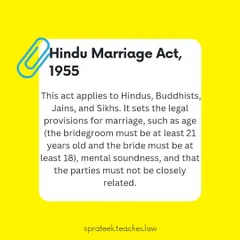
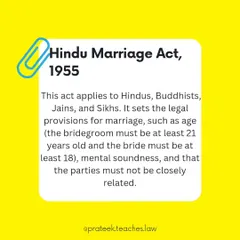
The Hindu Marriage Act applies to a broad range of individuals. I clarify who is legally considered a Hindu under Section 2 of the Act, including Buddhists, Jains, Sikhs, and converts to these religions.
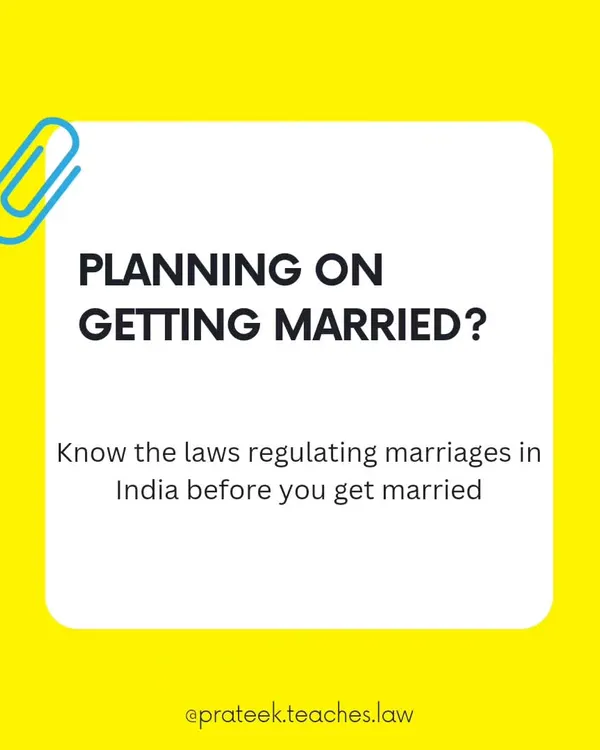
Family is everything, and protecting it requires understanding the law. The Hindu Marriage Act of 1955 is the primary law governing marriage for many in India.
Did you know the Hindu Marriage Act of 1955 is the principal law governing marriage in India?
About The Legal Validity of Marriage
Marriage laws involve strict statutory definitions that can impact your rights significantly. It is essential to distinguish between a marriage that is 'void'—invalid from its inception due to factors like bigamy or prohibited relationships—and one that is 'voidable', which remains valid until a court decree declares it otherwise. Misunderstanding these categories often leads to procedural mistakes that can complicate future litigation.
When evaluating the legal validity of a marriage under the Hindu Marriage Act (HMA), the specific provisions define your rights and potential remedies.
Void vs. Voidable Marriages A void marriage is considered non-existent in the eyes of the law from the very beginning (Section 11, HMA). Common grounds include bigamy (having a living spouse at the time of marriage) or violating rules regarding prohibited degrees of relationship or sapinda relationships. Conversely, a voidable marriage (Section 12, HMA) is valid until a court grants an annulment. Grounds here often relate to consent, such as fraud, coercion, or impotency at the time of marriage.
Key Legal Considerations
- Bigamy: The law is rigorous. As highlighted in the Sarla Mudgal vs Union of India ruling, a Hindu man cannot bypass the HMA by converting to Islam to remarry without a divorce; the first marriage remains legally protected.
- Age Requirements: The Prohibition of Child Marriage Act sets strict minimum ages. Violating this carries severe penalties for the parties and those who facilitate the union. The children born of such unions are still considered legitimate.
- Presumption of Marriage: In cases where direct evidence is missing, Section 114 of the Evidence Act may allow courts to presume a valid marriage if long-term cohabitation is proven. However, this is a rebuttable presumption and does not apply in cases of bigamy or where strict proof of marriage is required.
The Path Forward The legal system is designed to provide recourse, but precision is vital. Whether you are seeking annulment, contesting a marriage, or protecting spousal rights, the strategy depends entirely on how the law classifies your union. We focus on a methodical approach: documenting facts, assessing the legal grounds, and establishing a roadmap before taking action.
Similar work from other experts
Browse through Curated picks from other experts on mytribe
 14
14
Understanding Marriage Laws in India Across Faiths
Legal Rights in Modern Relationships and Marriage
Marriage & Relationship Legal Rights: A Simple Guide
 12
12

Understanding Indian Law: Essential Rights and Procedures
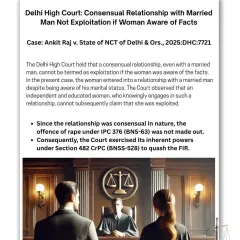
Navigating Modern Relationships & Legal Realities in India
Legal Q&A: Matrimonial Rights and Realities
More from Family & Matrimonial Law by Kapil Dixit
More services by Kapil Dixit