Domestic Violence & Spousal Rights: Legal Guidance
Understand your rights in marriage, live-in relationships, and legal separation with clear, actionable advice.
Domestic violence is a pervasive issue with devastating effects. This video raises awareness about its different forms, including physical, emotional, and economic abuse, and emphasizes the importance of seeking help.
Judicial separation is a legal remedy that allows spouses to live apart without dissolving the marriage. I explain its key features, such as the suspension of marital duties and the inability to remarry during the separation period.
Can you legally compel your spouse to live with you? I discuss the concept of Restitution of Conjugal Rights, its limitations, and how the court respects an individual's fundamental right to choose where they live.
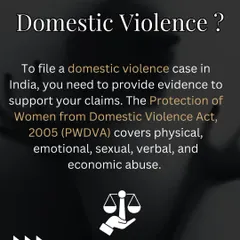
The law defines domestic violence broadly to include any act or omission causing physical, emotional, or economic harm.
The Domestic Violence Act of 2005 extends its protection to women in live-in relationships, allowing them to seek legal help against an abusive partner.
In India, live-in relationships are not illegal, and a child born from such a relationship is considered legitimate with full inheritance rights.
If you are in a live-in relationship and experiencing domestic violence, know that you are not alone and resources are available to help.
This graphic reiterates the legal definition of domestic violence, covering physical assault, emotional abuse like threats, and isolation.
It is a crucial point that women in live-in relationships can seek legal protection from domestic violence even if they are not married.
This graphic confirms the legal status of live-in relationships and the legitimacy of children born from them.
About Domestic Violence & Spousal Rights
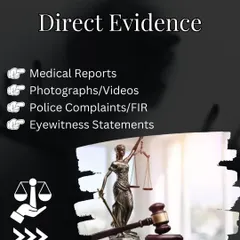
When you are dealing with a domestic violence claim or a dispute over spousal rights, the first step is always securing your evidence. Whether it is digital communication, financial records, or medical reports, how you document these early on defines your legal footing. I can help you assess your current situation to see if you have grounds for protection under the DV Act or if you should be considering other matrimonial remedies.
Understanding the Domestic Violence Act (2005)
Many people assume domestic violence is limited to physical abuse. The law is broader. Under the Domestic Violence Act, it encompasses physical, emotional, verbal, and economic abuse. Whether it is threats, humiliation, or isolation, you have legal recourse. My role is to help you draft your application under Section 12 to seek protection orders, residence orders, or monetary relief.
Rights in Live-in Relationships
There is a common misconception that live-in relationships lack legal standing. In India, the law protects women in live-in relationships. If you are experiencing abuse, you are not without support. Furthermore, children born from these relationships are legitimate and hold full rights to inheritance and assets. I assist clients in navigating these specific protections to ensure your future is secure.
The Reality of Restitution of Conjugal Rights
Clients often ask if the court can force a spouse to return. The concept of Restitution of Conjugal Rights is frequently misunderstood. While you can file for it, courts generally respect an individual's fundamental right to choose where they live. If a spouse raises a valid plea of harassment, abuse, or adultery, the court will not order restitution. It is important to look at this process as a strategic step rather than a guaranteed fix for a broken relationship.
Judicial Separation vs. Divorce
If you are not ready for a divorce but cannot live together, judicial separation is an option. It allows you to live apart while suspending marital duties, but you cannot remarry during this period. After one year of separation, you may have grounds to file for divorce under the Hindu Marriage Act. We should review your specific circumstances to see which path aligns with your long-term goals.
Similar work from other experts
Browse through Curated picks from other experts on mytribe
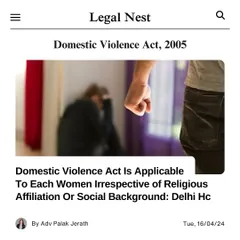
Know Your Legal Rights: Essential Matrimonial Law Guide
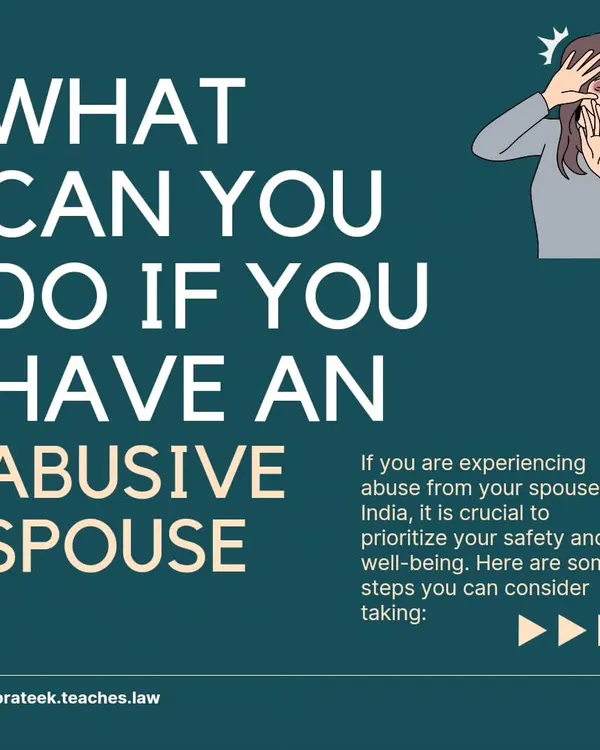 27
27

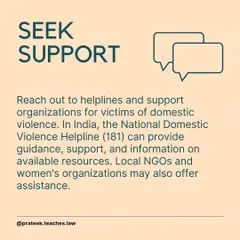
Navigating Domestic Disputes and Legal Rights in India
Legal Help and Protection Against Domestic Violence in Delhi


Protecting Your Legal Rights: Guidance for Men and Women
Domestic Violence Legal Protection in Bengaluru
Marriage & Relationship Legal Rights: A Simple Guide
More from Family & Matrimonial Law by Kapil Dixit
More services by Kapil Dixit