Understanding Legal Grounds for Divorce and Annulment in India
Ending a marriage involves navigating complex legal frameworks. Whether you are dealing with contested grounds like cruelty and adultery, or seeking a path toward mutual consent, understanding your legal position is the first step toward resolution.
Adultery is a serious ground for divorce under the Hindu Marriage Act. I detail the legal definition, what constitutes proof in court, and important nuances, such as when the act is not considered a valid ground due to lack of consent or forgiveness.
When it comes to marital cruelty, the court focuses on the effect of the actions, not the intention behind them. This video explains that if a spouse's conduct makes it impossible to live together, it may be considered cruelty, regardless of intent.
The irretrievable breakdown of a marriage is a modern divorce theory that focuses on the reality that a relationship is beyond repair. I explain how this concept shifts the focus from assigning blame to acknowledging that the marriage should be dissolved.
An annulment can be sought on the grounds of impotence, which is the inability to perform a complete sexual act. I clarify the legal definition, the difference between physical and mental impotence, and when it serves as a valid basis for annulling a marriage.
An uncontested divorce can significantly alter the outcome of your separation process.
An uncontested divorce is defined as a process where both parties agree on all terms, avoiding a court trial.
This graphic provides an example of how an uncontested settlement on assets helps couples avoid a lengthy and costly court battle.
The law specifies several grounds for divorce, including adultery, cruelty, and desertion.
Understanding the impact of an uncontested divorce is crucial for a smoother legal journey.
This text explains that an uncontested divorce is less time consuming and expensive than a contested one.
About Grounds for Divorce & Annulment
The biggest misconception I see is that "grounds" for divorce always require proving fault. While contested divorces based on adultery or cruelty are standard, many of my clients find that focusing on the legal impact of those behaviors—rather than just the intent—provides a clearer, faster path forward. If you are early in the process, prioritize collecting documentation now; chat records, legal notices, or specific incidents are the tangible evidence we use to build a strong petition.
Moving from Fault to Fact
In Indian family law, particularly under the Hindu Marriage Act, the path to dissolution changes significantly depending on whether you are pursuing a contested or mutual consent divorce.
Contested Divorce When you file on specific grounds—such as adultery, physical or mental cruelty, or desertion—the burden of proof lies with you. Courts require evidence. Adultery, for instance, requires more than just suspicion; it demands circumstantial evidence or reliable testimony that establishes the act. Cruelty is broader; it is not just physical violence. The courts look at whether the conduct has made it impossible for the spouses to live together. It is an objective assessment of the impact, not the intention.
Mutual Consent This is often the most pragmatic route if both parties agree. It eliminates the need to argue these grounds in court, saving time and mental strain. We focus here on the Memorandum of Understanding (MOU), which acts as the roadmap for your future, covering alimony, assets, and child custody.
Annulment vs. Divorce It is vital to distinguish between a divorce and an annulment. Annulment declares that the marriage never legally existed, often due to fraud, bigamy, or impotence. If your situation involves a marriage that was invalid from the start, we examine the provisions for void and voidable marriages.
How We Prepare Before filing, I conduct a thorough risk assessment. We look at:
- Evidence Compilation: Organizing digital and physical records.
- Jurisdiction: Determining which court has authority over your case.
- Timeline Mapping: Setting realistic expectations for the process from admission to the final decree.
Whether you are in Bangalore or Mumbai, the first step is always the same: objective analysis of your legal standing.
Similar work from other experts
Browse through Curated picks from other experts on mytribe
Grounds for Divorce & Annulment
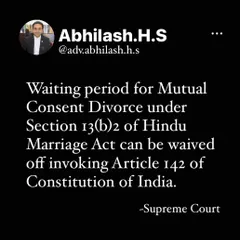

Understanding Mutual Consent and Contested Divorce
 8
8
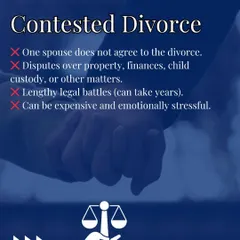
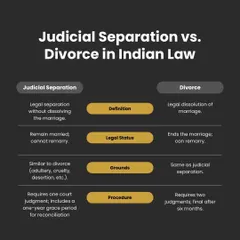
Navigating the Divorce Process in India
Divorce and Separation Strategy: Clear Legal Guidance
Navigating Divorce, Separation & Alimony
 4
4


Divorce Proceedings and Legal Representation in Bengaluru
More from Family & Matrimonial Law by Kapil Dixit
More services by Kapil Dixit