The Eightfold Path of Yoga: A Ladder to Self-Realization
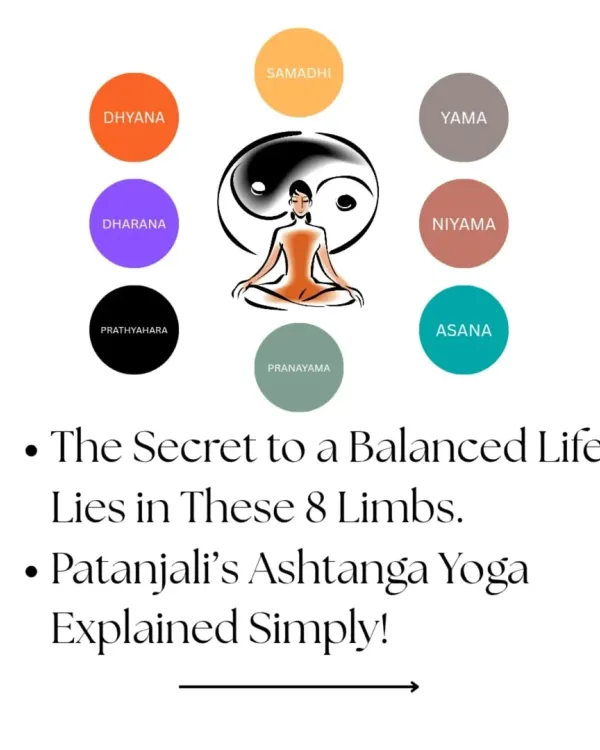
most yoga today is just bending and stretching. real yoga is a complete system. here is the eightfold path from patanjali, laid out not as a fitness routine, but as a disciplined ladder to stability.
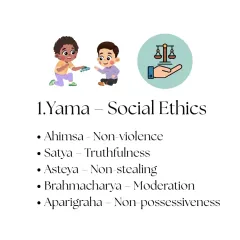
The foundation of the eightfold path begins with the Yamas, or ethical restraints. These principles, including non-harming (ahimsa) and truthfulness (satya), are not optional accessories; they are the essential groundwork for any real spiritual practice.
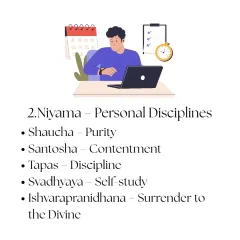
The second limb is Niyama, the internal disciplines. This includes purity (shaucha), contentment (santosha), and self-study (svadhyaya). Asana, the third limb, is defined by Patanjali as a steady and easeful posture, meant for stillness, not performance.
The higher limbs of yoga are internal. Dharana is the art of concentration, tying the mind to a single point. Dhyana, or meditation, is the state of uninterrupted awareness that follows. Without concentration, meditation is just daydreaming.
A short poem on the eightfold path. The journey is about touching every limb of the practice, from ethical conduct to physical postures and inner stillness. Asana is just one step on a path that has no end.
Samadhi, or absorption, is the final limb where the sense of a separate 'doer' dissolves into pure being. The entire eightfold path is a progressive journey toward this state of union, encompassing how you live, how you breathe, and how you face death.
The Yoga Sutras of Patanjali focus on the mind's return to stillness and the self's remembrance of its true nature. Because of this, the science of yoga transcends any single religion and is available to all who seek to understand their own consciousness.
About The Eightfold Path of Yoga
people treat the eight limbs like a buffet, picking only the poses. but you cannot skip the foundation. we start with yamas and niyamas, the ethical restraints and internal disciplines, before we even touch a mat. if you want to skip the discipline to get to the fun part, you are just exercising, not practicing yoga.
the ashtanga yoga system is not eight options, it is a single staircase. each step prepares you for the next. most people rush to asana, the third limb, looking for a workout. patanjali, however, defined asana simply as a steady and easeful posture meant for stillness. if you are sweating and suffering for the sake of a pose, you are missing the point.
the breakdown of the system
- yamas and niyamas: these are the ethical restraints and internal disciplines. non-harming, truthfulness, and self-study are the prerequisites. without these, any physical practice is hollow.
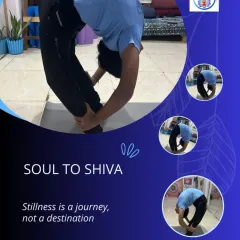
- asana: the posture. it is the third step, not the destination. in my bengaluru sessions, we use asana to stabilize the body so the mind can actually sit still.
- pranayama and pratyahara: we move from the body to the breath and the senses. withdrawing the mind from the chaos of external stimuli is the only way to find silence.
- dharana, dhyana, and samadhi: concentration leads to meditation, and eventually, the dissolution of the doer. this is the final goal of yoga.
this is not a quick fix. if you are looking to fix your posture or clear your mind in a weekend, this path will frustrate you. but if you are ready to stop chasing sensations and start building real stability, we can begin.
Similar work from other experts
Browse through Curated picks from other experts on mytribe
Yoga Philosophy and Lifestyle: The AshTangi Approach
The Inner Journey: Real Yoga for Deep Transformation
 46
46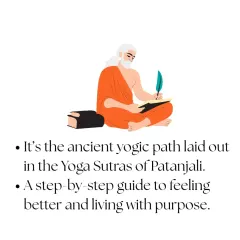
The Deeper Wisdom of Yoga: Philosophy & Practice
Understanding the Philosophy Behind Yoga
The Philosophy of Yoga: Beyond the Asanas



Exploring Yogic Philosophy and Inner Growth
More from Traditional Yoga & Meditation Instruction by Jinnium Michel Andrew
More services by Jinnium Michel Andrew