The Deeper Wisdom of Yoga: Philosophy & Practice
Yoga is a manual for living a balanced life, not just a workout. Explore the ancient frameworks of the Yoga Sutras, the Three Gunas, and the Eight Limbs to bring clarity to your daily routine.
The secret to a balanced life lies in Patanjali's Ashtanga Yoga, or the Eight Limbs. This infographic provides a simple overview of this ancient path, which is a step-by-step guide to living with purpose.
The Eight Limbs of Yoga is an ancient path laid out in the Yoga Sutras of Patanjali. It is a comprehensive guide to feeling better physically, mentally, and spiritually, moving far beyond just the physical postures.
The first limb of yoga is Yama, which refers to our social ethics. It includes principles like Ahimsa (non-violence), Satya (truthfulness), and Asteya (non-stealing) that guide our interactions with the world.
The second limb, Niyama, focuses on personal disciplines. These include Shaucha (purity), Santosha (contentment), and Svadhyaya (self-study), which help cultivate a positive inner environment.
Asana, the third limb, means a steady and comfortable posture. While it builds physical strength, its primary purpose is to prepare the body for deeper meditation and the spiritual journey ahead.
Pranayama, the fourth limb, is the control of breath or life force energy. This practice helps to improve health, calm the mind and senses, and is believed to support a long, vital life.
The Bhagavad Gita says our thoughts and actions are influenced by three Gunas: Sattva (purity), Rajas (activity), and Tamas (inertia). Understanding these qualities is the key to understanding yourself.
Sattva is the quality of purity and harmony. When you are sattvic, you feel peaceful, self-aware, and compassionate. A sattvic person seeks truth and serves others without selfishness.
Rajas is the quality of passion and action. It binds us through desire and attachment. When rajas dominates, you might feel restless, ambitious, and competitive, always chasing success.
Tamas is the quality of ignorance and inertia. It leads to confusion, laziness, and delusion. When tamas prevails, you may procrastinate, feel lethargic, and resist personal growth.
About The Deeper Wisdom of Yoga
Most people come to my studio thinking yoga is only about physical shapes, but the real breakthrough happens when you understand the 'why' behind your reactions. When you grasp concepts like the Three Gunas—Sattva, Rajas, and Tamas—you stop judging yourself for feeling lazy or restless and start seeing these as energetic patterns you can actually shift. This is not just theory; it is a practical toolkit for managing your own mind, energy, and stress levels in the real world.
Beyond the Mat: A Manual for Living
Many of us feel stuck, not because our bodies are tight, but because our minds are clouded. The deeper wisdom of yoga, passed down through the Yoga Sutras of Patanjali and the Bhagavad Gita, isn't meant to be kept in dusty books. It is a set of operating instructions for the human mind.
The Path to Balance: Ashtanga Yoga
When we talk about the 'Eight Limbs' (Ashtanga), we are not just listing steps. We are looking at a blueprint for a meaningful life. From the Yamas (social ethics) that help us interact with the world, to the Niyamas (personal disciplines) that cultivate our inner environment, every limb serves a purpose. Asana (posture) and Pranayama (breathwork) are simply the starting points that clear the way for deeper self-study.
Understanding Your Patterns: The Three Gunas
Why do you procrastinate? Why do you feel driven to compete? Why do you sometimes feel peaceful? The answer lies in the Three Gunas—the fundamental qualities of nature that govern your thoughts and actions:
- Sattva: The light of clarity and harmony.
- Rajas: The fire of ambition and restless movement.
- Tamas: The shadow of inertia and confusion.
Learning to identify which Guna is dominating your day allows you to make better choices about what you eat, how you work, and how you rest. You stop being a victim of your mood and start being an architect of your energy.
Resolving the Root Causes: Pancha Klesha
If you find yourself stuck in cycles of suffering, you are likely dealing with the Pancha Klesha—the five root obstacles described by Patanjali. Whether it is Avidya (ignorance of our true self) or Asmita (the ego's heavy identity), we work through these obstacles in my sessions using breathwork and mindfulness. This is about building the discipline to see things as they truly are, rather than how our minds want us to see them. Let's move beyond the physical and start the real work.
Similar work from other experts
Browse through Curated picks from other experts on mytribe
The Philosophy of Yoga: Finding Balance and Clarity
The Philosophy of Yoga: Ancient Wisdom for Modern Life
 8
8


Integrating Ancient Yoga Philosophy Into Modern Life
 9
9
The Deeper Practice: Yoga Philosophy
The Philosophy of Yoga: Beyond the Asanas
 29
29
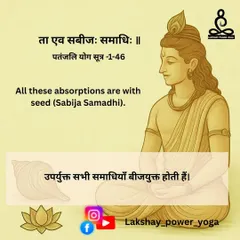
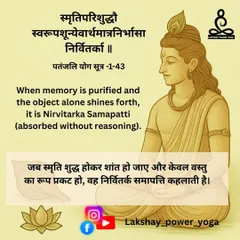
The Philosophy of Yoga: Decoding Patanjali's Yoga Sutras
More from Therapeutic Yoga for Health Concerns by Rohit N
More services by Rohit N