Cheque Bounce Case Assistance in Bangalore
A dishonoured cheque is a serious financial setback, but the law provides a clear path for recovery. I help clients navigate the legal requirements of the Negotiable Instruments Act to secure their funds.
Dealing with a dishonoured or bounced cheque requires specific legal steps. I assist clients in preparing and filing cheque bounce complaints to ensure you can legally claim the amount owed to you.
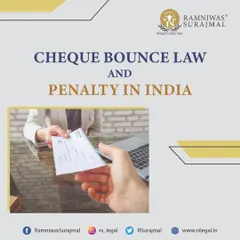
This image represents a common financial issue I resolve for my clients. My expertise in cheque bounce law helps streamline the recovery of your money and holds the issuer accountable.
About Cheque Bounce Case Assistance
The most critical step in a cheque bounce case is the legal notice. You have exactly 30 days from the date of the cheque return memo to send this notice to the issuer. If you miss this window, your ability to file a complaint under Section 138 of the NI Act is severely compromised. I draft and dispatch these notices via Registered Post to ensure you have the necessary proof for court.
The Process to Recover Your Funds
Recovering money from a bounced cheque is a structured legal process. It is not just about complaining, but about building a record that stands up in court.
1. The Legal Notice (Mandatory) This is the foundation of your case. Under the Negotiable Instruments Act, you must send a formal demand notice within 30 days of receiving the return memo from your bank. My service includes drafting this notice with specific citations like Section 138 and ensuring it is dispatched via Registered Post with Acknowledgement Due (RPAD). We keep the postal receipts safe, as these are primary evidence.
2. The Statutory Wait Period After the issuer receives the notice, there is a mandatory 15-day waiting period. They have this time to pay you the amount. If they fail to clear the dues, you are legally entitled to initiate criminal proceedings.
3. Filing the Complaint If the payment is not received, we file a private complaint in the Magistrate Court having jurisdiction. I handle the entire process: drafting the complaint, filing the Vakalatnama, and preparing the sworn statement for the judge.
Frequently Asked Questions
What happens if I miss the 30-day window? The law is strict on timelines. If you delay sending the legal notice beyond 30 days from the return memo, you lose the right to file under Section 138. Do not wait for empty promises from the defaulter.
Do I need to attend every hearing? In the initial stages (sworn statement and summons), your presence is required. As the case progresses, we can discuss exemptions from personal appearance based on the court's discretion and the case status.
What are the costs? My services are transparent. I charge a fixed fee for notice drafting and a retainer for case filing. Court fees are paid at actuals based on the cheque amount.
Similar work from other experts
Browse through Curated picks from other experts on mytribe
Money Recovery and Financial Dispute Legal Services
Legal Solutions for Financial Disputes & Money Recovery
Practical Legal Help for Money Recovery and Financial Disputes
Navigating Financial & Family Law Disputes
 6
6


Legal Support for Cyber Crime & Financial Fraud
 6
6
Legal Defense Against Financial Fraud and Cyber Crime Charges
More from Specialized Civil Claims by JBR Legal
More services by JBR Legal