The Science Behind Growing Food Without Soil
Hydroponics isn't just about water and seeds; it's about understanding the physiological needs of a plant. We use science to bridge the gap between nature and city homes, ensuring you get the cleanest produce possible.
One of the biggest advantages of hydroponics is its water efficiency. By recirculating water and delivering it directly to the roots, our systems consume up to 90% less water than traditional farming.
We grow our food without the use of chemical pesticides. The controlled environment of our greenhouses helps us manage pests naturally, resulting in cleaner, safer produce for you and your family.
Because plants get a perfectly balanced diet of nutrients delivered directly to their roots, they grow healthier and stronger. This often results in produce that is more nutritious than soil-grown alternatives.
Many people report that hydroponically grown produce is tastier. When a plant does not have to struggle for nutrients, it can focus its energy on developing sugars and flavors, resulting in a superior taste.
Our produce is packed with nutrition. By controlling the nutrient solution, we can ensure that plants receive the optimal minerals they need at every stage of their growth.
Our founder, Dr. Gowsiya Shaik, shares what sparked her interest in science. Her passion for the physiological development of plants is the driving force behind our research and teaching.
Dr. Shaik discusses the barriers she has faced as a woman in science. We believe in creating a supportive environment for everyone to pursue their passion for research and innovation.
We believe that creating a safe, secure, and respectful environment is crucial for enhancing gender equality in STEM fields. It allows scientists to freely express and execute their ideas.
Dr. Shaik's advice to aspiring young scientists is to be observant, trust your experimental results, and always remain open to learning and sharing your knowledge with others.
A proud career highlight for Dr. Shaik was completing her Ph.D. thesis writing in just 18 days. Her dedication and focus are an inspiration to us all.
About The Science Behind the Growth
When you look at our greenhouses, you see plants, but we see specific physiological needs being met. We don't use soil, so we manage plant development by fine-tuning nutrient solutions for specific root systems. This direct control is why our systems use 90% less water... you aren't just farming, you're practicing plant science.
Hydroponics is essentially plant science in action. By moving away from soil, we strip away the variables—pests, inconsistent nutrients, and water wastage. In our Bengaluru greenhouse, we focus on the plant's physiological needs.
What is IMHT? It is our Inert Material Hydroponic Technology. It allows us to control the pH and EC (Electrical Conductivity) levels precisely. When a plant doesn't have to search for nutrients, it directs all its energy into flavor and growth. This is the difference between a struggling plant and a thriving, nutrient-dense crop.
Whether you are curious about the root systems of your cherry tomatoes or want to set up your own compact system, the process starts here. We don't just supply kits; we teach the methodology. You learn why your bok choy thrives on a specific nutrient mix or how to stake tall plants in a drip system.
We break down the plant journey—from sowing seeds in pro-trays to managing nutrient stock solutions. It is practical, it is often messy, and it works. If you are tired of store-bought veggies that travel hundreds of kilometers to reach your plate, this is your chance to change that. You get to see the roots, monitor the growth, and harvest your own food right in your living room or balcony...
Similar work from other experts
Browse through Curated picks from other experts on mytribe
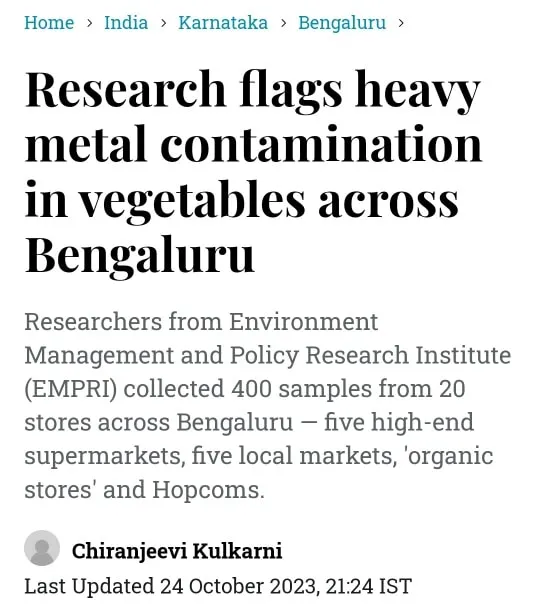 10
10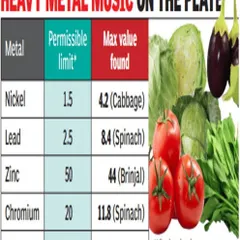

Why We Prioritize Organic Gardening Methods
Practical Hydroponics & Agricultural Training
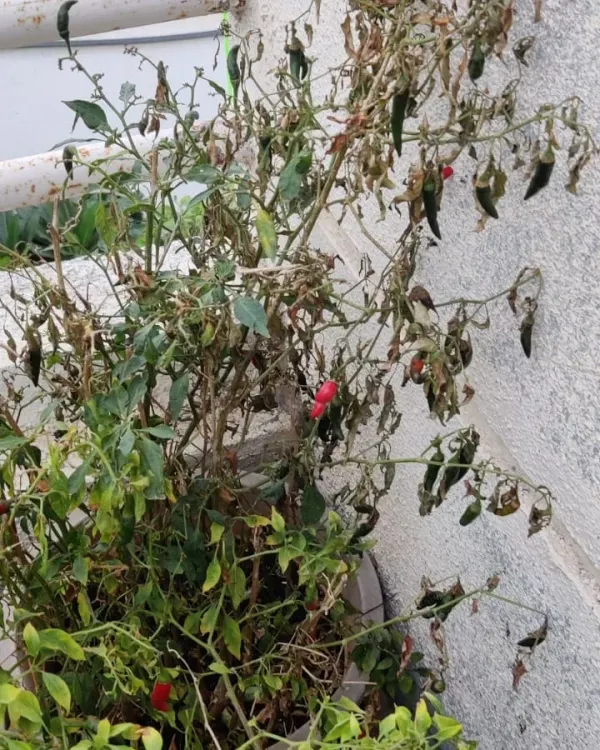 7
7
Your Urban Farming Guide
Vegetable Patches, Raised Beds and Home Growing
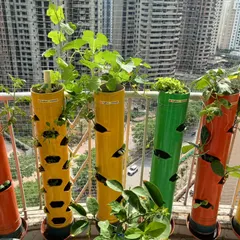
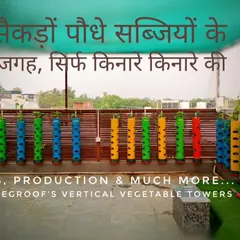
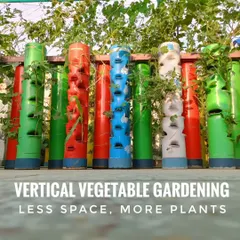
Vertical Vegetable Towers for Urban Homes
 9
9


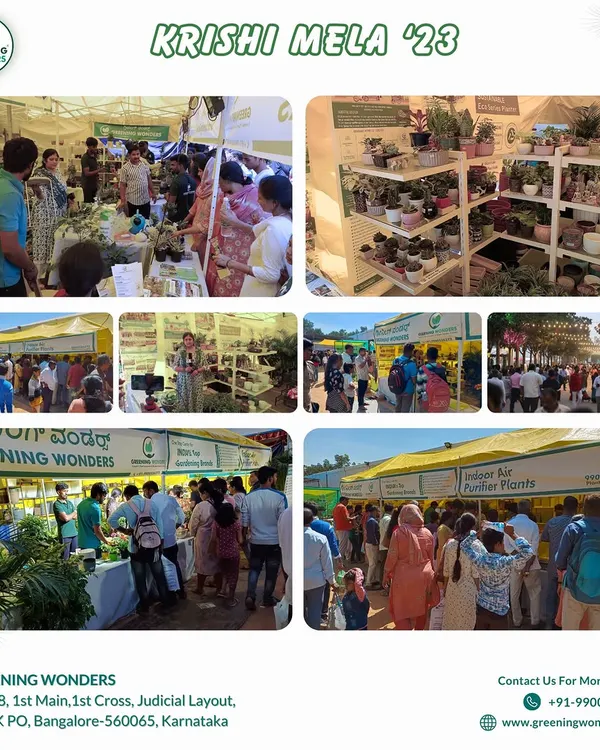
Gardening Workshops and Community Events in Bangalore
More from Hydroponics & Urban Farming Workshops by Hydrolore
More services by Hydrolore