Separating Health Facts from Wellness Myths
The wellness industry thrives on confusing, alarmist information that makes you feel like you need expensive supplements. I use my background in nutrition science and traditional wisdom to filter out the noise, helping you focus on what actually works for your body.
You might think your glass bottle is cleaner than plastic, but a recent study found it can contain 50 times more microplastics, often from the paint on the cap. While we can't avoid all microplastics, we can focus on what's in our control: eating well, sleeping better, and exercising to make our bodies more resilient.
Whole fruit versus fruit juice, even with no added sugar. Research shows that whole fruit consistently wins, helping to lower the risk of diabetes, hypertension, and weight gain, while juice can increase it. The fiber in whole fruit is key.
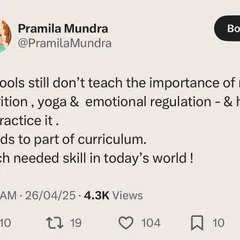
Three things you should know about real yoga. Yoga is not exercise; it's a philosophy. It's not primarily for weight loss, and it is not the same as Hinduism. Understanding these distinctions helps appreciate its true, deeper benefits for the mind and body.
Are probiotic supplements a miracle cure? Not really. The science is still evolving, and results are highly individual. What we do know is that prebiotics, the fiber from fruits and vegetables, are crucial for gut health. Focus on your diet first.
As someone who has worked in clinical research, I want to talk about industry-funded studies. Data can be selectively used to promote a product. A "clinical trial" in an ad could be based on a tiny, unblinded survey. Be critical of marketing claims for supplements.
A red flag: if a health expert asks for a long list of blood tests before even speaking to you, be cautious. Tests are diagnostic aids to confirm a clinical assessment, not to replace it. A good practitioner treats the person, not just the numbers.
Can you truly "reverse" a lifestyle disorder like diabetes or PCOS? I prefer the word "managed." Reversal implies you can go back to your old habits without consequences, which I haven't seen in my practice. Lifelong management through diet and lifestyle is a more realistic and empowering goal.
Cortisol is not the villain the internet makes it out to be; it's a life-saving hormone that regulates stress, blood sugar, and inflammation. Instead of trying to "lower" it with random supplements, it's better to work on your overall sleep and stress patterns.
Is red wine good for your heart? While grapes contain beneficial resveratrol, the risks of alcohol often outweigh the benefits. If you choose to drink, do so for pleasure, in moderation, knowing it's not a health food.
Reacting to a video claiming that putting kumkum on your forehead activates Vitamin D. This is not mentioned in any yogic texts. Vitamin D is synthesized when skin is exposed to sunlight. It's important to distinguish ancient wisdom from modern misinformation.
About Myth-Busting & Modern Nutrition
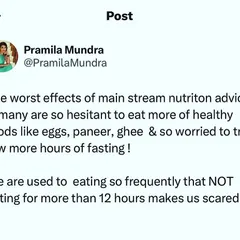
Let’s look at how "clinical studies" are actually used in ads. Often, the research cited on supplement bottles uses tiny, unblinded surveys designed to push a product, not to confirm health benefits. My approach is to look at your actual blood work, symptoms, and lifestyle—not just what the marketing labels suggest. True health is rarely found in a bottle; it is built through the consistent, sustainable habits you practice every single day.
Why You Don't Need Another 'Miracle' Cure
The internet is flooded with 'experts' claiming to reverse chronic conditions overnight or promoting the latest superfood as the key to health. I hold an MSc in Nutrition and a BNYS degree, and I can tell you that biology doesn't work that way.
The 'Clinical Trial' Trap
Many products online promote themselves using 'clinical studies.' When you dig into these, you often find they weren't randomized, blinded, or peer-reviewed. They are frequently just small, paid surveys. I believe in looking at data with a critical eye. If a health claim seems too good to be true, it almost always is.
Why 'Reversal' is the Wrong Word
I avoid the word 'reverse' when discussing conditions like PCOS or diabetes. 'Reversal' implies you can go back to your old, unhealthy habits without consequences once your reports look normal. I prefer 'management.' It is about understanding that your body requires lifelong, sustainable care—not a crash diet or a detox drink that you stop using after three weeks.
Getting Back to Basics
My practice is built on simple, evidence-based principles:
- Whole foods win: Research consistently shows that whole fruits and vegetables offer better health outcomes than juices or supplements.
- Context matters: Herbs and spices are powerful, but they work best when consumed in the traditional, cooked forms we have used for generations, not extracted into potent, potentially toxic juices.
- Boring works: The most effective health interventions are usually the most boring ones: getting adequate sleep, managing stress, and eating simple, local meals.
My role is to help you cut through the confusion. We won't follow trends; we will follow the science and your body's own signals to build a rhythm that keeps you healthy for the long term.
Similar work from other experts
Browse through Curated picks from other experts on mytribe
Busting Nutrition Myths with Science
 53
53
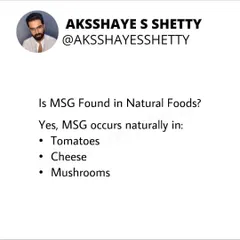

Nutrition Myth Busting and Science-Backed Facts
Busting Nutrition Myths