My Philosophy: Nurturing the Whole Child
Learning is more than just grades; it is an emotional and social journey. I combine brain science with a deep focus on social-emotional growth to create an environment where your child feels safe, curious, and ready to thrive.
I created this guide to help parents and teachers understand the simple, powerful ways children learn best. It’s a look inside a child’s brain, showing that movement, play, and feeling safe are just as important as focusing. My teaching is built on this holistic approach to support a child's entire well-being.
Why should we care about prime factors? This video explains how abstract math concepts are the foundation for real-world applications like cryptography. It’s part of my philosophy to always connect the "what" of learning to the "why."
This video explores the question: Are babies born as blank slates or budding geniuses? It dives into how a child's environment, emotional support, and opportunities for play shape their cognitive and emotional growth, which is a cornerstone of my teaching philosophy.
Good citizenship starts with small, mindful actions. For Republic Day, I worked with these young children on a small act to teach our community about civic sense and shared responsibility. Nurturing values is just as important as teaching academics.
I'm excited to share my blog, where I dive into the science of learning. This image outlines the topics I explore, from brain science and cognition to pedagogy and parenting. It's a space for anyone who is a lifelong learner.
This is a sneak peek into my first blog post, "Baby Brains: Genius in the Making or Tabula Rasa?" It breaks down the key themes, including the influence of environment, the role of SEL, and the importance of play in early learning.
In this interview in Hindi, I discuss the importance of emotional intelligence in parenting and teaching. I explain why we must avoid comparison, understand child development, and connect with children on an emotional level to truly support their growth.
This infographic illustrates the signs of student disengagement and the social-emotional learning (SEL) strategies we can use to reconnect. My work as a consultant often focuses on helping educators create emotionally supportive classrooms where every child feels seen and valued.
Children are always observing us. This list is a reminder that they learn from our actions, not just our words. As a homeschooling parent and educator, I believe that being a good role model is the most powerful lesson I can offer.
Action rhymes are a powerful tool for early childhood development. I created this rhyme to teach opposites, which is crucial for both literacy and numeracy. It combines movement, rhythm, and vocabulary to make learning dynamic and memorable.
About My Philosophy: Nurturing the Whole Child
When a child says 'I hate math' or fidgets during a lesson, they aren't being difficult; they are telling you how their brain is currently processing the experience. My approach is to decode that behavior—whether it is a need for movement, a lack of foundational number sense, or math anxiety—and address the root cause, not just the frustration. We stop the cycle of rote memorization and replace it with strategies that actually make sense to them, helping them build confidence from the inside out.
Education is often treated like a standardized assembly line, but children are not standard products. My philosophy is rooted in the simple truth that a child's brain development, emotional well-being, and academic success are deeply interconnected. You cannot expect a child to master complex concepts like prime factors or reading comprehension if they are in a state of stress or if they feel 'labeled' by the system.
Why the 'Whole Child' Matters
When I work with students, whether in a 1-on-1 tutoring session or a small group, I am looking at more than just the worksheet in front of us. I am looking at how they regulate their emotions, how they handle making mistakes, and what sparks their natural curiosity.
My Core Principles:
- Connection Over Correction: I believe we must build a relationship with a learner before we can effectively teach them. When a child feels seen, their barriers to learning drop.
- Behavior as Communication: A 'difficult' student is often a confused or overwhelmed one. We use tools like sensory aids and movement to help them focus, rather than demanding they sit perfectly still.
- Brain Science, Not Guesswork: Whether we are using Yonjuu math cards to build agility or working on Science of Reading modules, every activity is designed to support how the human brain actually learns—through play, repetition, and meaningful context.
My goal is to partner with parents and educators to move away from the pressure of comparison. If your child is struggling, it is not a sign of a deficit; it is an invitation to try a different way of reaching them.
Similar work from other experts
Browse through Curated picks from other experts on mytribe
Our Educational Philosophy for Preschoolers
My Philosophy on Learning and Parenting
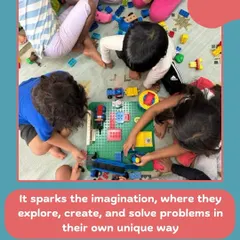
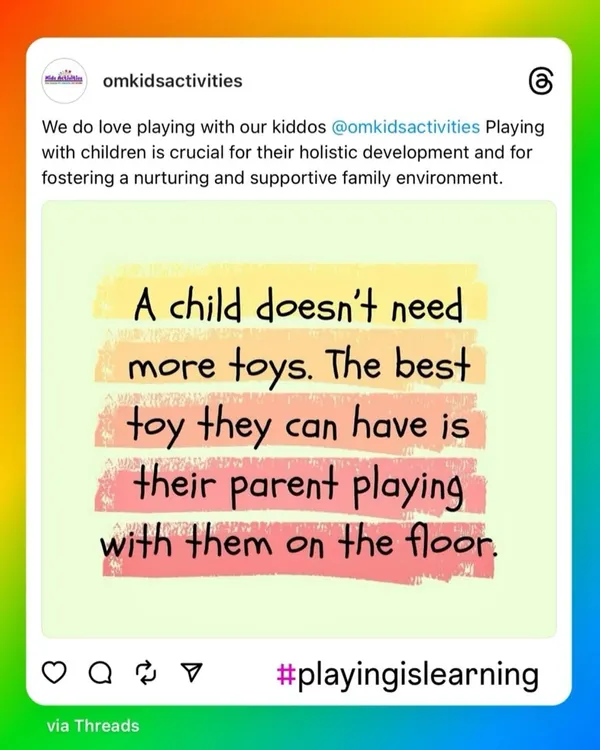
Why Play is the Foundation of Learning
 14
14
Our Teaching and Parenting Philosophy
The Science Behind Our Play-Based Learning
Nurturing Emotional Intelligence in Early Childhood
More from Academic Tutoring & Enrichment Programs by Hattennoki
More services by Hattennoki