Sustainable and Eco-Friendly Home Design
A home that feels right shouldn't cost the earth. Whether it's maximizing natural light or choosing reclaimed materials, I focus on building spaces that last and feel naturally yours.
I believe true design success includes sustainability. Here are my 10 steps to creating sustainable interiors, from client collaboration and material selection to waste management and maximizing natural light.
What if your home could be both beautiful and eco-friendly? It's entirely possible. Here are seven of my top tips for sustainable interior design that I incorporate into my projects.
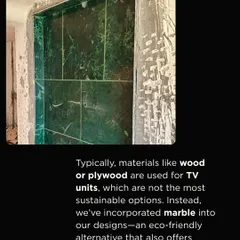
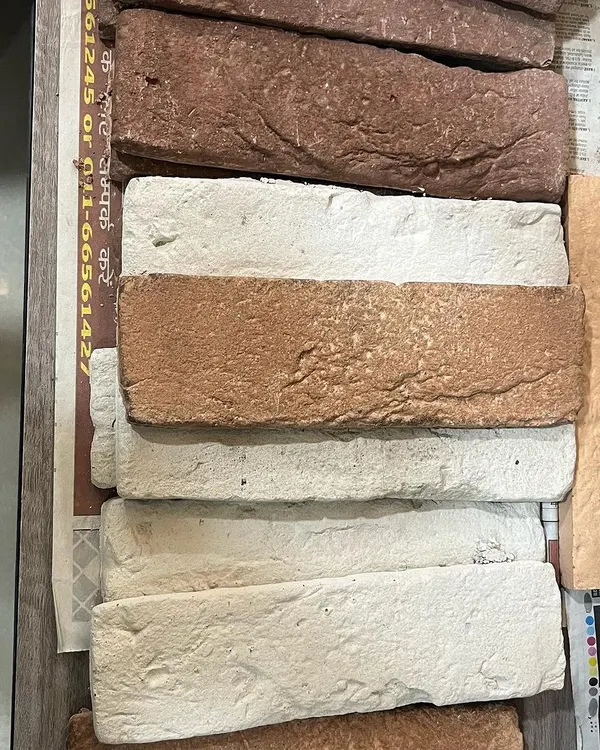
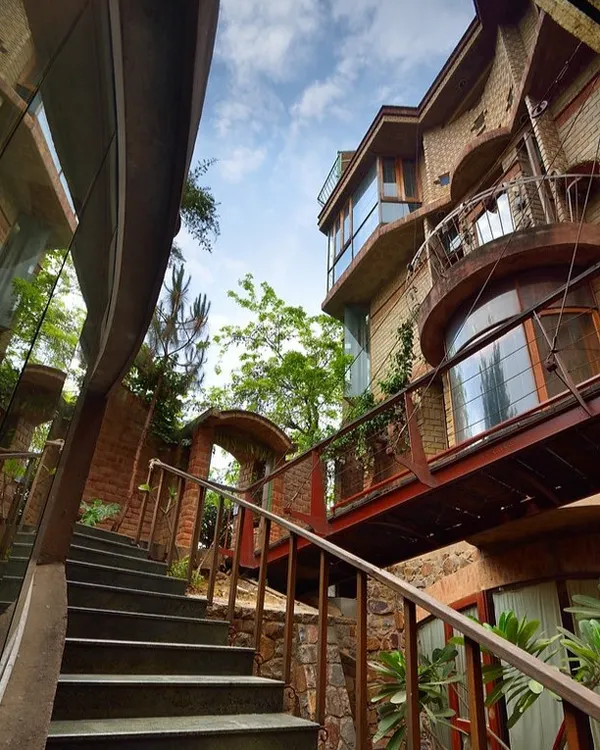
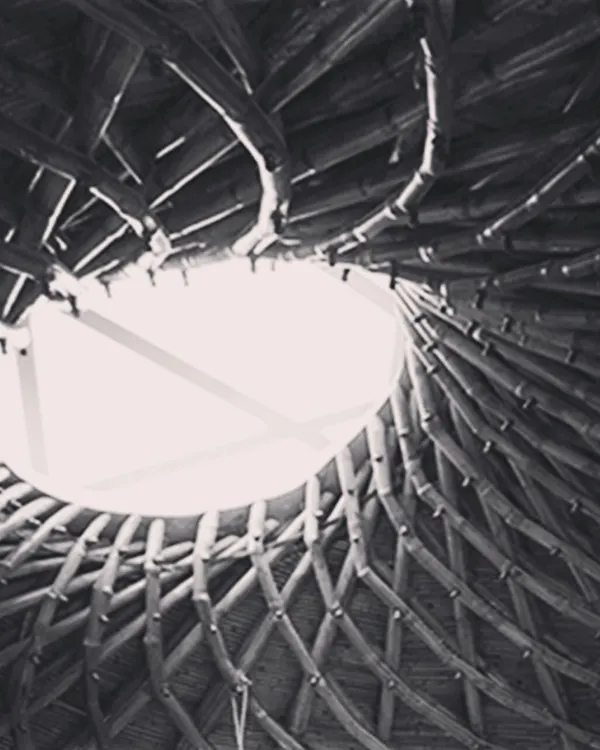
My first tip for sustainable design is to choose the right materials. I always look for natural, renewable, and biodegradable options like bamboo, cork, reclaimed wood, and natural stone.
Tip two is to opt for energy-efficient appliances and lighting. Choosing LED bulbs and Energy Star appliances with smart features is a simple way to reduce your home's energy consumption.
My third tip is to invest in quality over quantity. Choosing durable, high-quality materials and furniture means less waste over time, which is better for your wallet and the planet.
Tip four involves considering low-waste and low-toxic options. I recommend using low-VOC paints, water-saving fixtures, and reusable linens to create a healthier indoor environment.
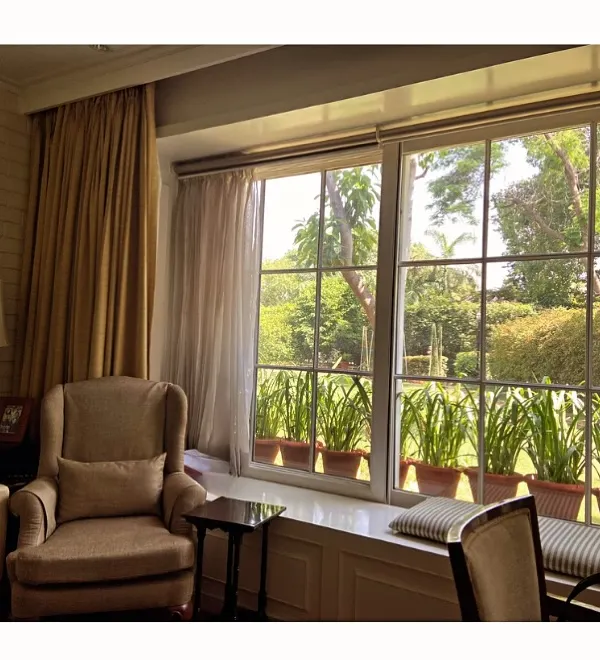
My fifth tip is to maximize natural light. Keeping windows unobstructed, using light-colored curtains, and installing skylights where possible can significantly reduce your reliance on artificial lighting.
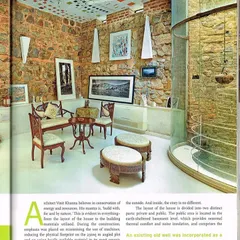
Reclaimed wood panels are one of my favorite sustainable materials. They are eco-friendly and bring a warm, vintage character to any room, as seen in this cozy reading corner.
About Sustainable & Eco-Friendly Homes
Many people think eco-friendly design means giving up on luxury, but I have found it is the opposite. Using reclaimed wood panels for a feature wall does not just save resources, it brings a depth and warmth that new, factory-bought materials often lack. When we plan your space, we prioritize these natural textures first, because they change how a room feels, making the final result genuinely personal.
Sustainability in an Indian home isn't about following trends, it's about making choices that serve you and the environment for years.
My Approach to Sustainable Interiors
- Material Selection: I lean heavily on bamboo, cork, and natural stone. These materials age gracefully and don't require the harsh chemical treatments that standard laminates often need.
- Natural Light Planning: Most Indian apartments are built for density, not light. I focus on clever layouts, light-colored finishes, and well-placed mirrors to draw natural light into the darkest corners of your home. It reduces your reliance on electricity during the day and just makes you feel better.
- Low-VOC and Low-Waste: We use low-VOC (volatile organic compounds) paints to keep your indoor air quality clean. It’s a small, invisible detail that makes a massive difference for families with kids or elderly members.
- Quality over Quantity: This is the most practical part. Instead of filling your home with cheap, disposable furniture that needs replacing in three years, I design custom pieces using high-grade plywood and durable finishes. It is better for your wallet in the long run and prevents unnecessary waste.
The Practical Reality
Designing sustainably requires planning. We have to coordinate early on to ensure we get the plumbing and electrical layouts right to support energy-efficient appliances. It is more involved than just picking a color palette, but it ensures your home functions efficiently. If you are in Delhi, Gurgaon, or Chandigarh, let's look at your floor plan and see what we can do to make your space a healthier place to live.
Similar work from other experts
Browse through Curated picks from other experts on mytribe
 5
5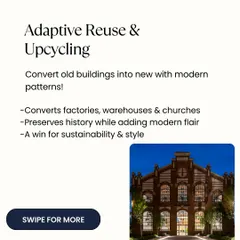
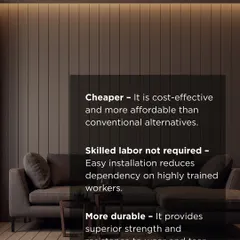
Sustainable Architecture and Eco-Friendly Interior Design
 6
6Sustainable and Healthy Home Interiors
 5
5
Sustainable Green Home Design and Bioclimatic Architecture
 10
10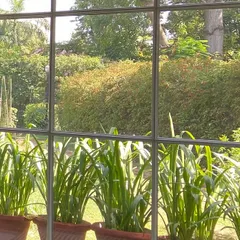
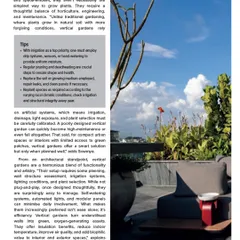
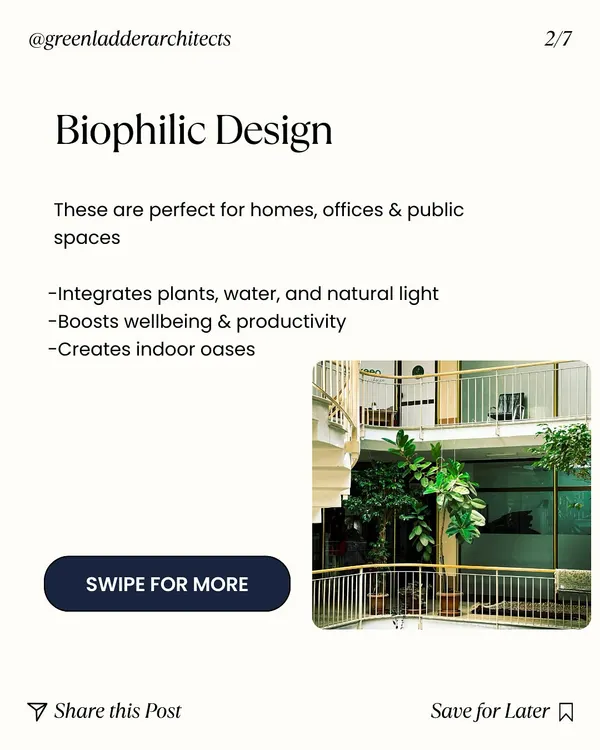
Biophilic Interior Design Services in Delhi
 12
12
Material Craft: Bamboo, Stone & Upcycled Elements
 27
27
Climate-Responsive & Sustainable Architecture
More from Residential Renovation & Remodeling by Gemini Gheek
More services by Gemini Gheek