Know Your Ingredients: Science-Backed Nutrition Tips
Understanding what is on your plate should not feel like a science project. I break down the health benefits of everyday ingredients—from ragi and moringa to matcha—so you can actually use them in your kitchen.
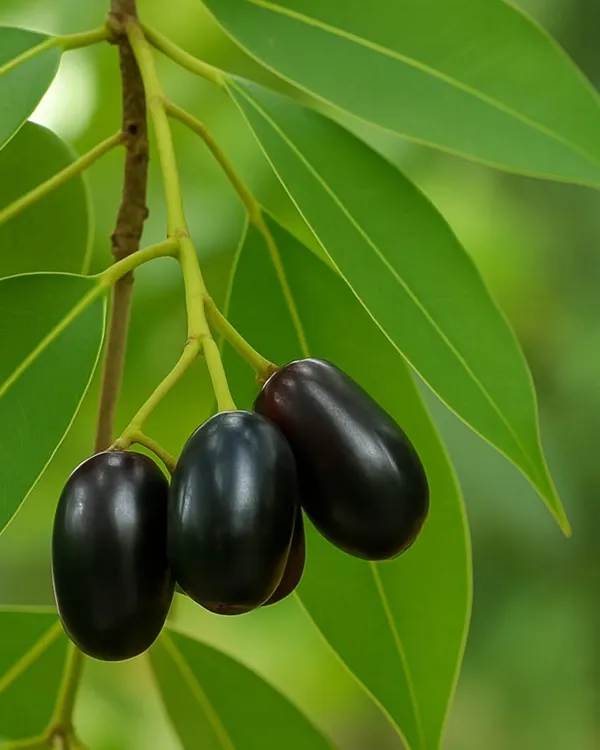
A look at my own plate, featuring homegrown Surinam cherries. I love using traditional ingredients like soppina huli and pattrode, always connecting back to my roots.
Moringa, or nugge soppu, is a nutritional powerhouse rich in protein, vitamin C, and iron. I love adding it to adai or making a chutney pudi to easily incorporate it into my diet.
Let's talk about Matcha. It's packed with antioxidants and L-theanine, which gives you a calm, focused buzz without the coffee jitters. Here's how I make my perfect cup.
About Know Your Ingredients
Let’s look at ragi as an example. It is not just for babies. My favorite way to use it is in a homemade chivda, which gives you that crucial crunch without the processed additives of store-bought snacks. It is an easy switch that boosts your calcium and fiber intake without you even realizing you are making a dietary change.
Nutrition often gets complicated, but it does not have to be. My goal here is to show you that the ingredients you already have in your pantry—like moringa (nugge soppu) or tubers—are nutritional powerhouses waiting to be used.
The Science of 'Superfoods'
We often hear about expensive, global superfoods, but local staples are just as impressive. Take Moringa, for instance. It is packed with protein, vitamin B6, and riboflavin. It helps manage lipid levels and cholesterol. However, I am always honest about the downsides too—because it is high in fiber, it can cause digestive issues for some if consumed in large quantities.
Why Ingredients Matter
My approach to ingredients is simple: I look for the science, but I keep the joy. For example, Matcha is popular for the calm, focused buzz it provides. That is thanks to L-theanine, an amino acid that delivers caffeine slowly, preventing the jitters you get from coffee. I prefer it without sweeteners to enjoy that clean flavor profile.
Practical Cooking
Whether it is figuring out how to neutralize the calcium oxalate in colocassia leaves (so you don't get that itchy throat) or finding the best way to spice up masala arbi, the devil is in the details. Cooking is chemistry, and understanding how ingredients react to heat and seasoning is the secret to making healthy food that you actually want to eat. If you are ever confused about whether a specific ingredient fits your health goals, I am happy to break down the pros and cons for you.
Similar work from other experts
Browse through Curated picks from other experts on mytribe


Know Your Ingredients: Science-Backed Kitchen Essentials
 6
6

Know Your Ingredients: A Kitchen-First Approach to Health
 21
21

Know Your Ingredients: Traditional Kitchen Wisdom
Nutrition 101: Healing Through Simple Food Hacks
Know Your Food: Science-Backed Nutrition & Simple Hacks
 31
31
Food as Medicine: Healing with Everyday Ingredients
More from Group Nutrition Workshops by Gauravi Vinay
More services by Gauravi Vinay