My Philosophy: Training Beyond Basic Obedience
Real connection with your dog isn't about teaching them to be a robot. It’s about building a bond that makes sense to both of you.
Many of us say we treat our dogs like family, but what does that really mean? This series of posts breaks it down. It's about respecting their species-specific needs, understanding their unique language, setting healthy boundaries, and prioritizing their emotional well-being above all else.
Many of us say we treat our dogs like family, but what does that really mean? This series of posts breaks it down. It's about respecting their species-specific needs, understanding their unique language, setting healthy boundaries, and prioritizing their emotional well-being above all else.
Many of us say we treat our dogs like family, but what does that really mean? This series of posts breaks it down. It's about respecting their species-specific needs, understanding their unique language, setting healthy boundaries, and prioritizing their emotional well-being above all else.
Many of us say we treat our dogs like family, but what does that really mean? This series of posts breaks it down. It's about respecting their species-specific needs, understanding their unique language, setting healthy boundaries, and prioritizing their emotional well-being above all else.
Many of us say we treat our dogs like family, but what does that really mean? This series of posts breaks it down. It's about respecting their species-specific needs, understanding their unique language, setting healthy boundaries, and prioritizing their emotional well-being above all else.
Many of us say we treat our dogs like family, but what does that really mean? This series of posts breaks it down. It's about respecting their species-specific needs, understanding their unique language, setting healthy boundaries, and prioritizing their emotional well-being above all else.
Many of us say we treat our dogs like family, but what does that really mean? This series of posts breaks it down. It's about respecting their species-specific needs, understanding their unique language, setting healthy boundaries, and prioritizing their emotional well-being above all else.
Many of us say we treat our dogs like family, but what does that really mean? This series of posts breaks it down. It's about respecting their species-specific needs, understanding their unique language, setting healthy boundaries, and prioritizing their emotional well-being above all else.
The way we touch our dogs matters. An excited, over-the-top greeting can cause jumping, while a calm approach and petting on the side respects their space. This video explains how to greet a dog in a way that makes them feel safe and understood.
The one piece of advice I always give as a dog trainer is that relationship is the foundation of all training. Discipline has its place, but the trust and bond you build with your dog are what will truly carry you through any challenge.
About My Philosophy: Beyond Obedience
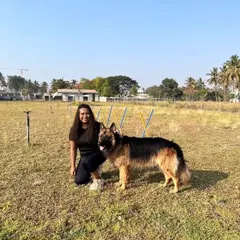
Most training starts with 'sit' and 'stay,' but if you want a true companion, you have to look deeper. My sessions often focus on the silent communication between you and your dog—the way you walk, how you offer a touch, and knowing when to give them space. It’s rarely about fixing the dog, and almost always about changing the way we talk to them.
I believe that obedience is just a side effect of a solid relationship. When you stop treating your dog like a small human in a fur coat and start respecting their needs as a different species, the behavior issues often start to solve themselves.
Why 'Obedience' Isn't The Goal
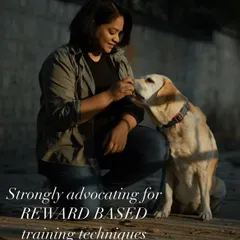
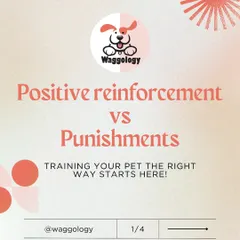
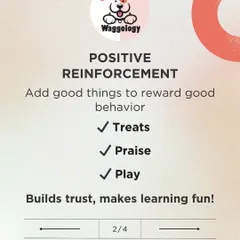
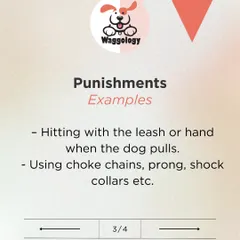
We get so caught up in the 'commands'—the sit, the down, the heel—that we forget to ask if our dogs are actually happy. A dog that listens because they trust you is a world apart from a dog that listens because they are afraid of the consequences. My approach is entirely force-free and rooted in positive reinforcement. Whether it’s helping a puppy navigate the big world or managing anxiety in an older dog, we work on the foundation first.
Consent Matters
The way we touch our dogs dictates how they feel about us. Many of us love to go for the head pat or the intense hug, but have you checked if your dog is actually comfortable with that? Learning to read canine body language—the subtle signs of stress in a yawn or the specific way they lean away—is the first step to becoming a reliable guardian. We practice how to greet dogs properly and when to step back, ensuring your dog feels safe enough to be themselves.
Real-Life Application in Bengaluru
Whether you are dealing with leash reactivity on the streets of Indiranagar or trying to manage multi-dog dynamics at home, I help you create a plan that fits your life. No cookie-cutter drills. We look at your daily routine, your home setup, and the triggers in your environment. If you're in Bengaluru, I can come to you for hands-on work. If you're elsewhere, my virtual consultations break down the same theory into actionable steps you can try immediately.
Similar work from other experts
Browse through Curated picks from other experts on mytribe
 14
14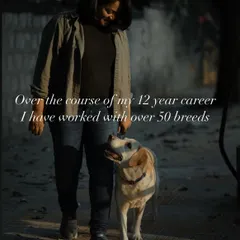
Building a Trust-Based Bond with Your Dog
My Training Philosophy: Building a Lasting Bond
 12
12


Strengthening the Bond With Your Pet
 13
13


My Force-Free Dog Training Philosophy

My Approach to Dog Training and Philosophy
Build a Bond Based on Trust, Not Just Commands
More from Dog Training & Behavior Consultation by Garima Tomar
More services by Garima Tomar