Play as a Path to Connection: Training Your Dog Through Play
Think training has to be boring? Wrong. I use structured play to build focus and impulse control, turning every game of fetch into a genuine chance to connect with your dog.
This isn't your average game of fetch. I use specific toys, like these rope balls, to engage in structured play that includes tug, fetch, and focus exercises. It's a fantastic way to build drive and strengthen our connection.
Playtime with Floyd is always balanced with control exercises. By incorporating obedience cues into our game of tug, we build his focus and impulse control. This makes him a better listener both during play and in everyday life.
Building impulse control and focus through play is a cornerstone of my training philosophy. This video shows how I use a toy to teach Floyd to remain calm and focused before being released to play, turning his high energy into a trainable asset.
From goofy cuddle buddies to focused training partners. This video shows how play can be channeled into productive work. These two high-energy dogs, a Doberman and a Belgian Malinois, are learning to work together and maintain focus.
Sometimes you do things just because they make your dog happy. Here, we're having a blast with some bite work, which is a great outlet for high-drive dogs like Dobermans and Malinois. It's all about providing a safe and fun way for them to express their natural instincts.
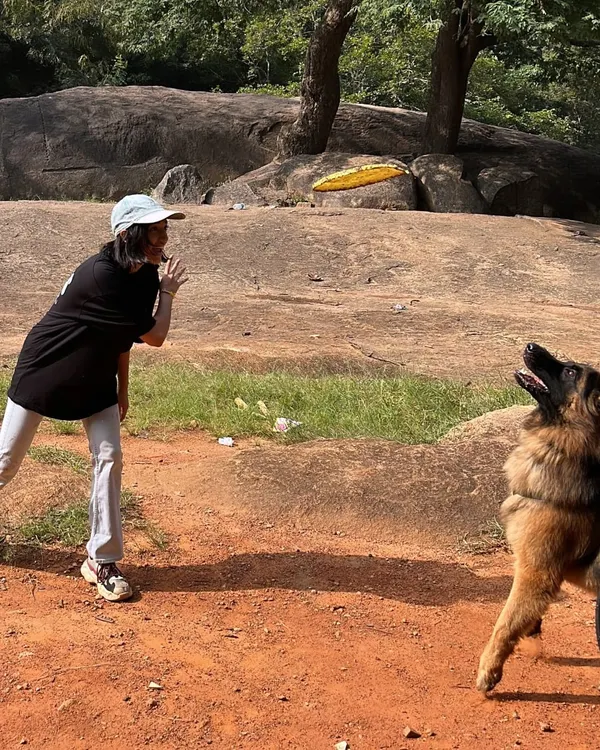
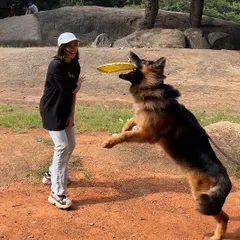
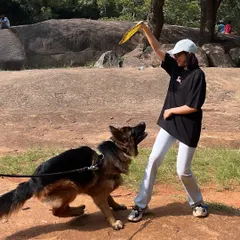
Just a girl and her dog, negotiating over a frisbee. This photo captures the interactive nature of how I believe play should be. It's a conversation and a partnership, not just a one-way activity.
When you're an antisocial dog parent, you teach your dog to play Jenga with you. This is a fun example of how we can get creative with canine enrichment and build our dog's problem-solving skills and confidence in a playful way.
Getting inspired by other trainers, I decided to teach Floyd some scent detection using oregano. It's a fantastic enrichment activity that engages a dog's most powerful sense. Now he'll be ready to find all the pizza delivery boys!
You don't need a huge field to train your dog. Here's how I get creative with the space I have, setting up a mini agility and obedience course on my terrace. It's about providing both mental and physical stimulation, no matter the location.
Training should look and feel like play. By integrating obedience cues into a fun, flowing session, we keep the dog engaged and eager to learn. This makes training something your dog looks forward to, rather than something they endure.
About Play as a Path to Connection
I don't just throw a ball and hope for the best. When we play tug or fetch, I am teaching your dog to check in with you, wait for a cue, and regulate their own excitement. It is about turning their natural high drive, whether they are a Malinois like my Floyd or a mixed breed, into a tool for better impulse control during your everyday walks.
Why Play Matters
Many owners think play is just an 'extra' activity to burn off steam. In my experience, it is one of the most effective ways to teach a dog how to be a member of your family. When you become the source of the fun, your dog naturally starts looking to you for direction rather than scanning the environment for distractions.
The 'How' of My Approach
We don't do cookie-cutter drills. I use play to address the specific 'why' behind a behavior:
- Impulse Control: We use tug games to teach your dog that a 'drop it' cue is part of the fun, not the end of it.
- Focus & Scent Work: Even simple games like hiding toys or scent detection—I’ve used everything from oregano to training lures—help engage a dog's brain, which is often more exhausting (and rewarding) than a long walk.
- Terrace Agility: You don’t need a huge field to train. I show you how to use your home or terrace to build obstacles that improve body awareness and confidence.
Practical Reality
I am not here to turn your dog into a robot. We will have days where the dog is stubborn, where they choose to sniff the grass instead of listening, or where they just aren't in the mood. That is fine. Training is about the journey, not perfection. If you are in Bangalore, I can visit your home to help you set up these play routines in your own environment. If you are elsewhere, we can work through these exact techniques via virtual consultations. Let's make training something you and your dog actually look forward to, rather than a daily chore.
Similar work from other experts
Browse through Curated picks from other experts on mytribe
Play, Games & Enrichment: Build A Bond With Your Dog
Training Through Play: Build a Better Bond with Your Dog
 15
15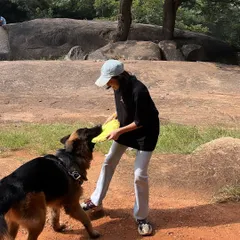
Fun-based Dog Training to Build Engagement
Building Bonds Through Play in Bengaluru
Playtime with a Purpose: Enrichment and Fun for Your Dog
Dog Enrichment Games and Mental Stimulation Exercises
More from Dog Training & Behavior Consultation by Garima Tomar
More services by Garima Tomar