Puppy Foundations Training in Bengaluru
Bringing a new puppy home is a big deal. Whether you are dealing with potty training or sharp little teeth, I am here to help you navigate these early days and build a solid, happy start together.
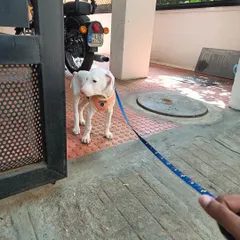
Puppy socialization is about creating positive associations with new things. Here, I'm introducing a German Shepherd puppy to different textures and environments on a walk to build his confidence and help him see the world as a safe, interesting place.
This is Scotch, a Boxer puppy, learning some basic cues like "touch" during our puppy obedience training program. We use positive reinforcement to make learning fun and build a strong foundation for future training.
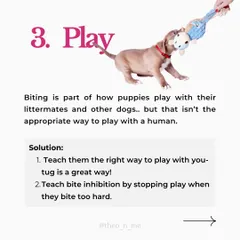
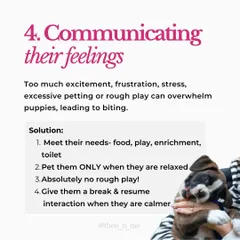
Puppy biting isn't meant to be naughty; it's a normal part of development. I help families understand the reasons behind puppy teething and mouthing, such as a lack of boundaries or outlets for their energy, and provide a management plan.
Crate training can be a wonderful tool for puppies. I teach families how to introduce the crate as a safe, comfortable den, not a punishment. It helps with house training, prevents destructive behavior, and teaches a pup to be calm.
Baby gates are incredibly useful for managing a new puppy's environment. They help teach boundaries and prevent access to unsafe areas like the kitchen or rooms with things they shouldn't chew on, setting them up for success.
Training begins the moment your puppy comes home. Here, I'm working with Jamaica, an Indie puppy, on confidence-building exercises like going through a play tunnel. These early experiences set the foundation for a well-behaved adult dog.
Potty training your puppy requires a consistent schedule. This guide outlines the key times to take your pup out, such as after waking up, after meals, and after playtime, to prevent accidents and establish a routine.
This guide to puppy teething explains the timeline and provides essential dos and don'ts. Understanding this phase helps you manage it with patience and provide your puppy with appropriate outlets for their chewing needs.
Managing puppy teething is about redirection and management. This infographic offers three key ways to handle this phase: redirecting to appropriate chew toys, regulating your own body language, and puppy-proofing your home.
Puppy-proofing your home is essential for safety and management. This checklist includes tips like using baby gates for restricted areas, securing wires, and removing small items that could be swallowed.
About Puppy Foundations: A Great Start
Most people think puppy training is just about teaching commands, but it is actually about management. Using baby gates or playpens during those first few weeks helps you stop your pup from practicing unwanted behaviors, like chewing your furniture or sneaking into restricted areas, so you are not constantly saying no while you are trying to work.
Puppyhood is intense. It is the phase where you set the ground rules for the next decade of your dog's life. My approach for this cluster is to move away from the idea of a 'perfect' Instagram dog and focus on a calm, well-adjusted puppy that actually fits into your daily life in Bengaluru.
We start with the basics of communication. I teach you how to use your body language and simple cues like 'wait' or 'leave it' to keep your puppy safe. When we talk about teething, we do not look for ways to suppress the behavior. Instead, we look for appropriate outlets, like puzzle toys and safe chew textures, to satisfy that natural urge to explore with their mouths.
Crate training is another tool we often use. Many pet parents are wary of it, but when introduced correctly, it becomes a safe, comfortable den for your puppy to rest, which is essential for their emotional regulation. By managing the environment, we reduce the stress on both the puppy and your family.
Training should not feel like a chore. Whether it is establishing potty training routines or starting loose leash walking in your neighborhood, we use positive reinforcement. This means we reward the good stuff and gently guide them away from the rest. This creates a relationship based on trust rather than fear, and that is what I mean when I say we are training the whole family.
Similar work from other experts
Browse through Curated picks from other experts on mytribe

Puppy Foundations & Training for a Confident Dog
 7
7


Puppy Training Foundations: Raising a Calm and Confident Dog
 4
4
Puppy Foundations Training
 19
19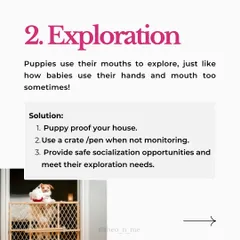
Puppy Foundations Training in Bangalore
 6
6Puppy Foundations: The Perfect Start
Puppy Foundations: Start Them Young & Right
More from Dog Training & Behavior Consultation by Furry Story
More services by Furry Story