Behind the Mic: Practical Emcee Tips and Insights
Ever wonder what really happens before the show starts? I am pulling back the curtain on how I prepare, handle tech, and keep the energy high from the first minute to the last.
A rapid-fire Q&A where I spill some secrets about my journey. Yes, I still get nervous, and yes, the key to a great performance is reading the room and knowing how to improvise.
This is my pre-event checklist. From client calls to understand their goals, to researching the audience and customizing the script, a lot of preparation happens before I ever step on stage.
A mistake I made early in my career was assuming everyone loves the spotlight. I learned to read the room and start with low-pressure activities to find those who are comfortable, which helps break the ice for everyone.
How do I get events? For a long time, it was purely word of mouth. This video breaks down how one event can lead to another and why being approachable and building relationships is key in this industry.
People often see the glam side of anchoring, but there's a lot more to it. This reel shows the reality: the travel, the endless prep calls, the last-minute changes, and the hustle behind the scenes.
What do clients look for when hiring an emcee? Energy is number one. This video breaks down the key qualities, from spontaneity and wit to the intelligence to understand the event's core message.
A fun, relatable take on the "I'm an anchor, of course I..." trend. It’s a humorous look at the unglamorous parts of the job, like arriving hours early and chasing payments, but I wouldn't trade it for anything.
What do people think an emcee does? This reel playfully debunks the myths and explains the real job: stitching the show together, managing the energy, and coordinating with the entire event team.
What should you do when the audience isn't listening? Call it out with humor or get them involved with a quick interactive question. The key is to acknowledge the situation and shift the focus back to you.
Here are three games that work at almost any corporate event: Trivia, Skyball, and Pass the Prop. These are my go-to icebreakers and energizers that have never failed me.
About Behind the Mic: Tips & Insights
Here is the honest truth about my prep: I never walk onto a stage relying only on the script provided. Whether it is a tech conference in Bengaluru or a high-energy wedding sangeet, I treat the script as a safety net, not a mandate. The real magic happens when you look up, read the room’s energy, and start improvising. That is the difference between a robotic announcer and a host who actually connects with the audience.
Behind the Scenes of a Live Event
People often see the glam side of being an emcee, but the reality involves a lot of behind-the-scenes work. When I prepare for an event, my process starts long before I step on stage. It begins with deep research—understanding the audience demographics, the company culture, and the goal of the event. Is this an awards night for senior leaders or a team-building day for sales teams? The tone has to shift accordingly.
Audio and Stage Tech
One of the most common questions I get is about stage tech. During sound checks, I am always checking the stage monitors. If you are ever on stage and feel like you cannot hear yourself, you are not alone. A stage monitor is that floor speaker facing you, and it is crucial for ensuring you can adjust your volume and tone in real-time. If you are worried about echo in an empty hall, do not panic. Once the crowd arrives, their bodies and clothing will naturally absorb the sound, fixing the acoustics for you.
Crowd Engagement Strategies
If the audience seems disengaged, pushing through a script will not help. You have to call it out or pivot. Getting them involved through simple, low-pressure activities—like a quick 'clap sync' or a trivia question—is often enough to reset the vibe. My goal as your event host is to manage the energy, bridge the gaps between speeches, and ensure that every person in the room feels part of the experience, not just a spectator.
Why I Prioritize Professionalism
Being a professional host means being the most prepared person in the room. This includes arriving early for thorough sound checks, using physical cue cards instead of loose paper to keep things clean, and being ready to pivot when a speaker runs over time. Whether it is a corporate conference or a gala, my approach remains the same: I am there to make you look good, ensure the event flows smoothly, and leave a positive, lasting impact.
Similar work from other experts
Browse through Curated picks from other experts on mytribe
 8
8


Behind the Mic: My Event Hosting Approach
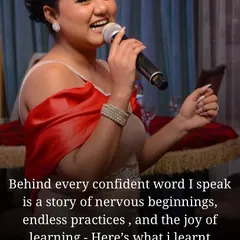

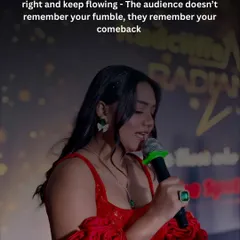
My Hosting Philosophy: Creating Authentic Connections

Behind the Scenes: My Process and Personality
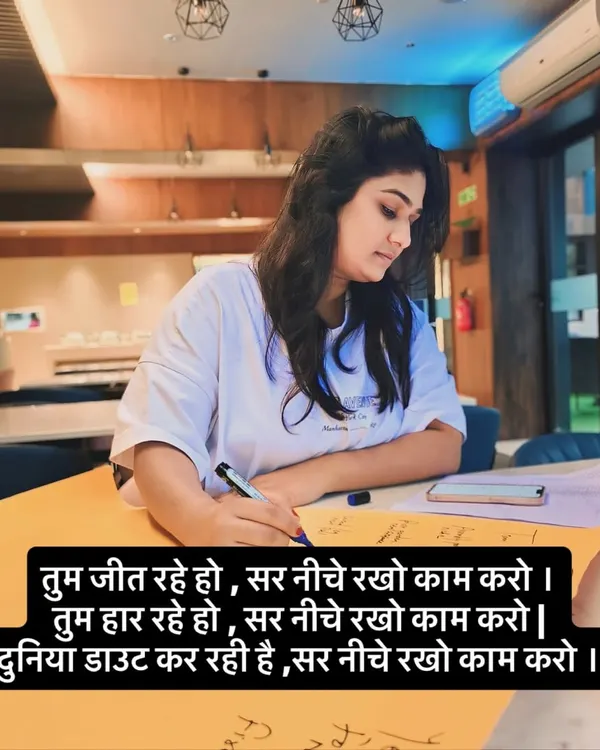 10
10
Behind the Mic: The Emcee Preparation Process
Mastering the Art of Audience Engagement
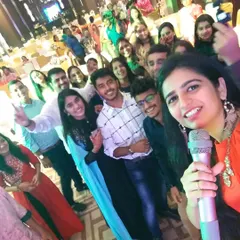
The Art of Emceeing: Professional Hosting with Retiksha
More from Corporate Event Hosting by Ruchi Shah
More services by Ruchi Shah