Targeted Skin Treatments for Pigmentation and Uneven Tone
Stubborn dark spots, melasma, or uneven patches don't have to be permanent. Get a science-backed diagnosis and a plan designed for your specific skin type.
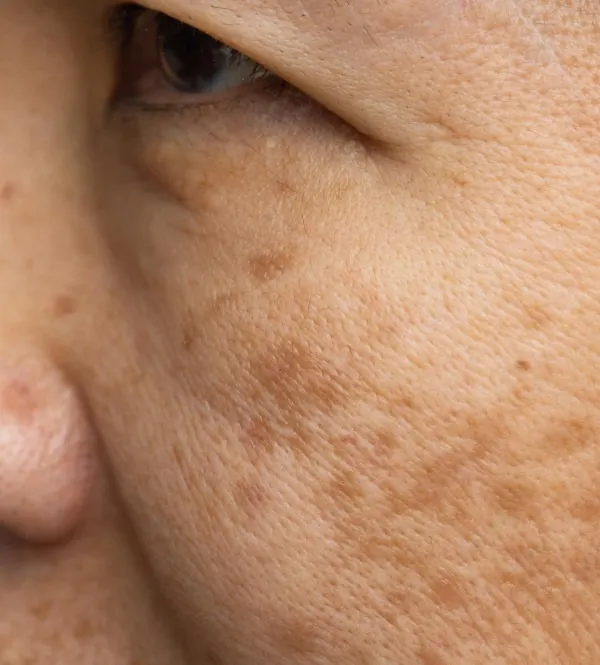
Hyperpigmentation, which appears as dark patches or an uneven skin tone, is a very common concern. It is caused by an overproduction of melanin due to factors like sun exposure, inflammation from acne, or hormonal changes. The right treatment starts with a proper diagnosis to address the root cause effectively.
Sensitive skin is often prone to uneven tone, with a mix of hyperpigmentation (darker patches) and hypopigmentation (lighter patches). Managing this requires a gentle, holistic approach. I recommend a divided AM and PM routine with targeted serums at night and gentle, protective products in the morning.
For patients with sensitive skin, managing hyperpigmentation requires a holistic approach. A consistent routine of cleansing, targeting with a suitable serum, moisturizing, and protecting with sunscreen is crucial. A positive approach and professional guidance can make a significant difference in achieving a brighter, more even complexion.
Dark circles can be caused by genetics, nutritional deficiencies, stress, or lack of sleep. Before starting any treatment, I recommend a blood workup to check for underlying issues. My treatment approach includes dermatologist-prescribed actives, fractional lasers, and hydrating boosters to lighten and refresh the under-eye area.
Sun exposure is the number one cause of hyperpigmentation. When your skin is unprotected, UV rays trigger an overproduction of melanin, leading to tanning, sun spots, and dark patches. Consistent use of a broad-spectrum sunscreen is the most critical step in preventing and treating this concern.
Any inflammation from acne, cuts, or burns can leave behind stubborn dark spots known as post-inflammatory hyperpigmentation. This occurs as part of the skin's healing process. I offer various treatments, including peels and lasers, to effectively fade these marks.
Hormonal changes are a common trigger for pigmentation conditions like melasma, which often appears as symmetrical patches on the face. These changes can be linked to pregnancy or birth control pills. A professional diagnosis is key to managing this complex condition.
Using the wrong skincare products, especially harsh peels or actives without professional guidance, can irritate the skin and worsen pigmentation. It is essential to use products that are appropriate for your skin type and concerns to avoid causing further damage.
About Targeted Solutions for Common Concerns
Pigmentation isn't just a surface issue; it is a symptom that requires a root-cause diagnosis. Whether you are dealing with post-acne marks, hormonal melasma, or sun-induced dark spots, my approach is to stop the guessing game. We start with a full assessment, look at your current routine, and only then choose between medical-grade peels, targeted lasers, or specific actives. No trends, just science that works for you.
Understanding Your Pigmentation
Not all dark spots are the same. Hyperpigmentation occurs when your skin overproduces melanin, but the reason why determines the treatment. Is it inflammation from acne? Is it hormonal melasma triggered by pregnancy or pills? Or is it sun damage accumulated over years? Treating it without understanding the cause often leads to more irritation and worse pigmentation.
The Science-First Approach
I don't believe in one-size-fits-all treatments. At my clinic in Bandra, we use a diagnostic approach. If you come in for dark circles or uneven skin tone, we don't just jump to lasers. We look at your internal health—hemoglobin, B12, D3, and hormonal profiles—because your skin often reflects what is happening inside.
My Treatment Toolkit
Once we identify the trigger, we select from proven dermatological solutions:
- Medical-Grade Peels: Targeted resurfacing to fade surface pigment safely.
- Laser Toning & Resurfacing: Using Q-Switch or Pico technology for deep pigment correction without downtime.
- Targeted Actives: Prescribed ingredients to inhibit melanin production and restore brightness.
- Holistic Guidance: We fix your daily AM/PM routine. This is non-negotiable. If you aren't protecting your skin with the right sunscreen and moisturizer, the best laser in the world won't give you lasting results.
Stop being a guinea pig for online trends. Let’s look at your skin and make a plan that is safe, effective, and tailored to you. ٹھیک ہے? (Alright?)
Similar work from other experts
Browse through Curated picks from other experts on mytribe
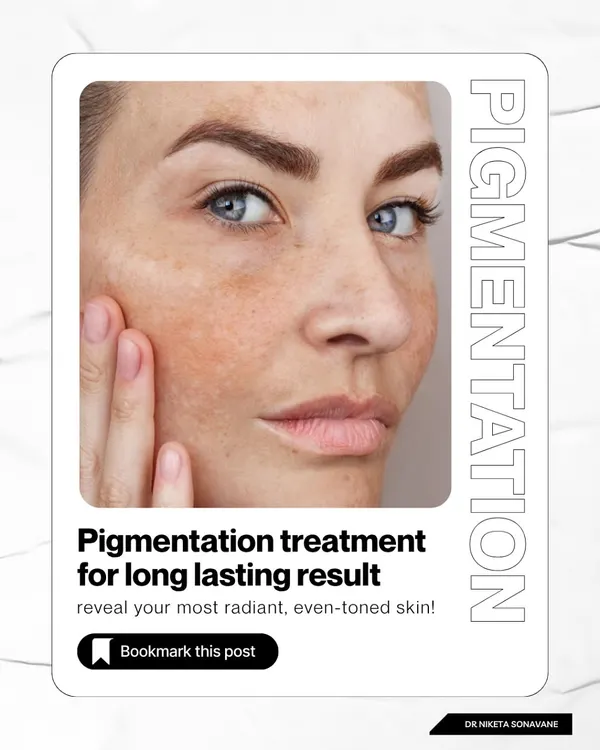
Pigmentation and Uneven Skin Tone Treatments
 6
6


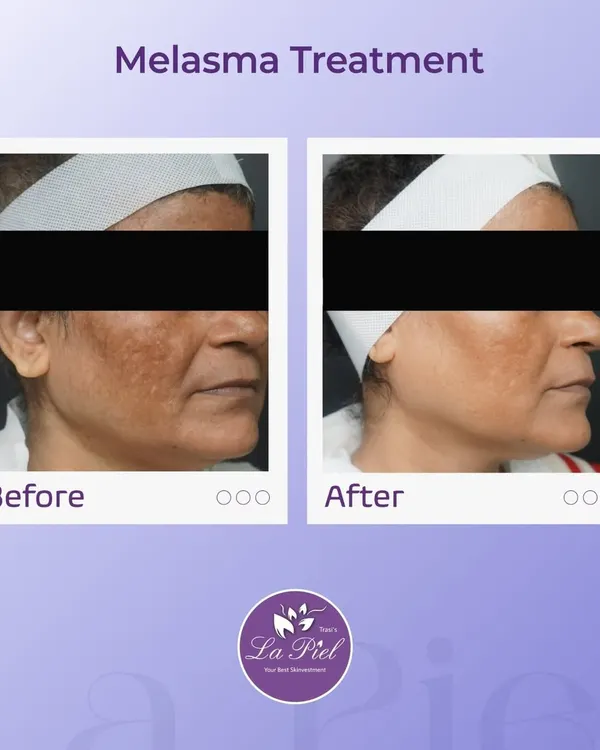
Pigmentation Treatment & Skin Brightening in Mumbai
 6
6
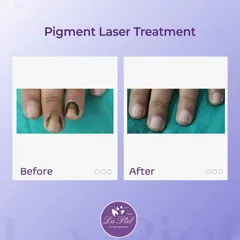
Pigmentation & Skin Tone Correction
 15
15
Pigmentation and Melasma Treatment Solutions
 23
23

Pigmentation, Melasma, and Sun Damage Correction
 6
6


Pigmentation & Melasma Solutions
More from Anti-Aging & Skin Rejuvenation by Sadhana Deshmukh