Pigmentation and Melasma Treatment Solutions
Pigmentation doesn't have to be permanent. I focus on evidence-based treatments to safely manage melasma, sun spots, and acne marks, helping you regain your natural, even skin tone.
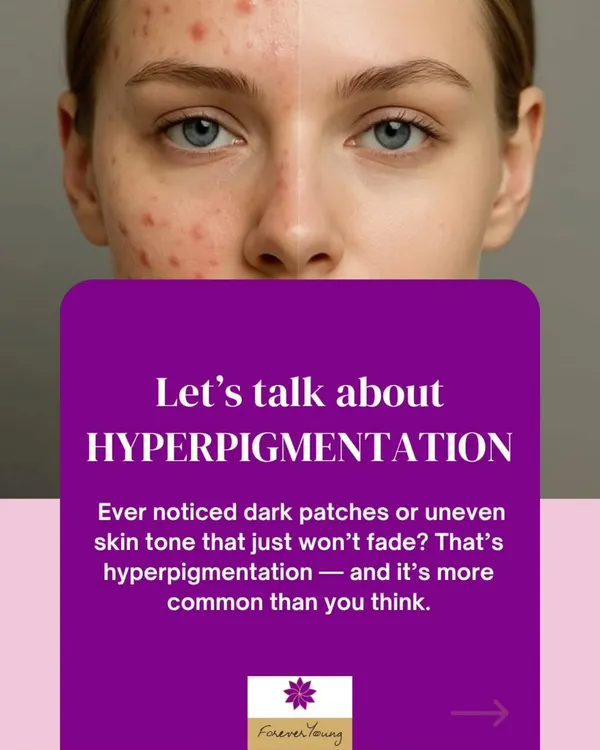
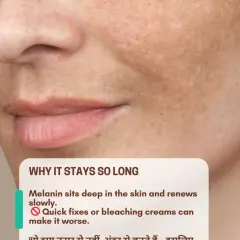
This close-up shows melasma, a common form of hyperpigmentation. My treatment focuses on a combination of sun protection, tyrosinase inhibitors to block pigment production, and gentle procedures like Q-switched lasers to gradually break down existing melanin.
This visual represents the journey from uneven pigmentation to a clear, luminous complexion. Whether it's melasma or sun damage, the goal is to restore your skin's natural tone with a safe and scientifically-backed treatment plan.
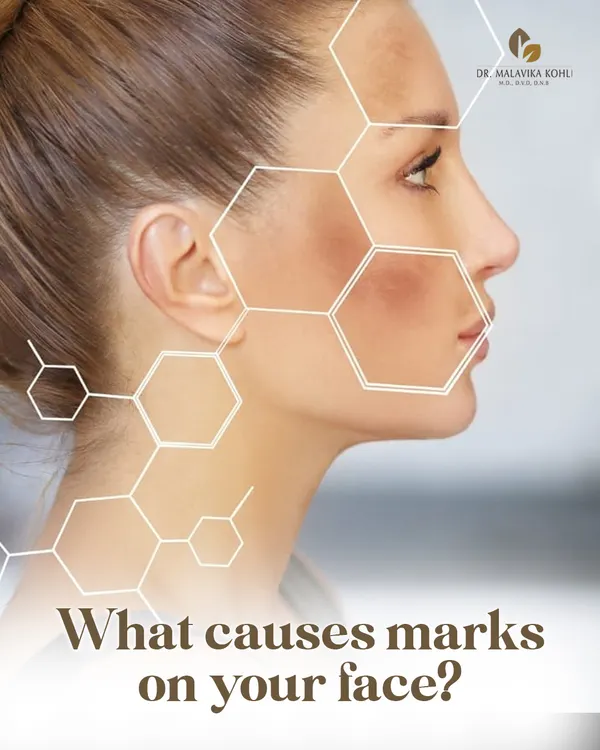
This graphic illustrates the different types of hyperpigmentation I treat, from sun damage and age spots to melasma and post-acne marks (PIE and PIH). A correct diagnosis of the type of pigmentation is essential for effective treatment.
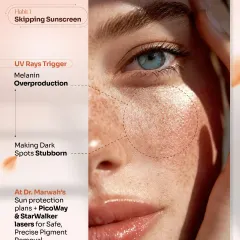
Sun spots, freckles, and melasma are distinct conditions that require different approaches. I create tailored treatment plans that may include lasers, peels, or topical creams to effectively target your specific type of hyperpigmentation.
A fantastic result showing the significant lightening of a stubborn patch of pigmentation. This was achieved over several sessions using a combination approach, proving that with patience and the right technique, clear skin is attainable.
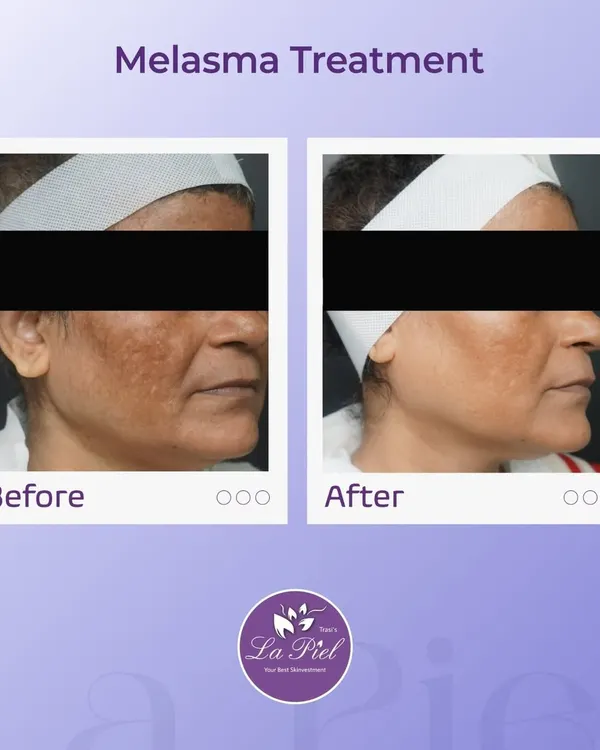
This before-and-after demonstrates a dramatic improvement in facial melasma. The key to this success was a strict skincare regimen combined with in-clinic procedures, leading to a more even and brighter skin tone.
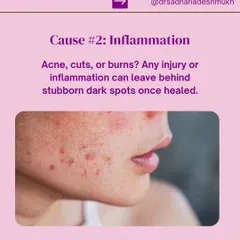
This graphic explains that hyperpigmentation in acne is often post-inflammatory (PIH). I treat this by first controlling the acne and then using specific agents like retinoids, vitamin C, or gentle peels to fade the dark marks left behind.
From freckles and sun spots to melasma and general dullness, I offer treatments for a wide range of pigmentation concerns. Each circle here represents a condition I can help you manage effectively and safely.
This patient's transformation shows a remarkable reduction in widespread facial pigmentation. Her skin now looks healthier, more even, and has a natural glow that was previously hidden by the dark patches.
Treating pigmentation on the cheekbones, a common area for sun damage and melasma, requires precision. This result was achieved with targeted laser therapy that broke down the excess pigment without harming the surrounding skin.
About Pigmentation and Melasma Solutions
Most patients come to me after trying home remedies that unfortunately caused more irritation. Pigmentation is a medical concern, not a cosmetic one, which is why I never suggest harsh bleaches. Instead, we start with a thorough dermoscopy to identify the exact depth of the pigment, followed by a plan that balances medical-grade skincare with gentle, consistent laser toning sessions that actually protect your skin barrier rather than strip it.
Why Your Pigmentation Won't Fade
Many people struggle with stubborn spots because they treat all pigmentation the same way. Whether it is hormonal melasma, post-inflammatory hyperpigmentation (PIH) from acne, or sun-induced freckles, each requires a completely different mechanism of action. My process begins with a detailed clinical assessment to identify the root cause before we select a treatment path.
Evidence-Based Procedures
I rely on proven technologies. For deeper pigmentation like melasma, I often use Q-Switched Nd:YAG lasers, which shatter excess melanin clusters without damaging the skin's surface. For surface-level spots, chemical peels—customized in concentration and type—help exfoliate and refresh the tone. If you are dealing with active acne marks, we address the inflammation first. Treating the scar without calming the acne will only lead to more darkness and frustration.
Realistic Expectations
There is no instant fix for pigmentation. It is a slow, steady process. You will need to commit to a rigorous sun protection protocol, as UV rays are the primary reason pigmentation rebounds. We track your progress with clinical photography, ensuring that every session is making a measurable difference in your skin's clarity.
Similar work from other experts
Browse through Curated picks from other experts on mytribe
Pigmentation and Uneven Skin Tone Treatments
 12
12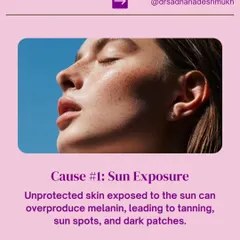

Expert Pigmentation and Melasma Treatment

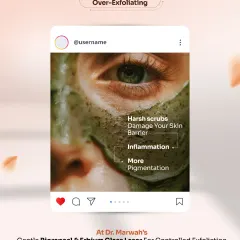
Effective Pigmentation and Melasma Treatment
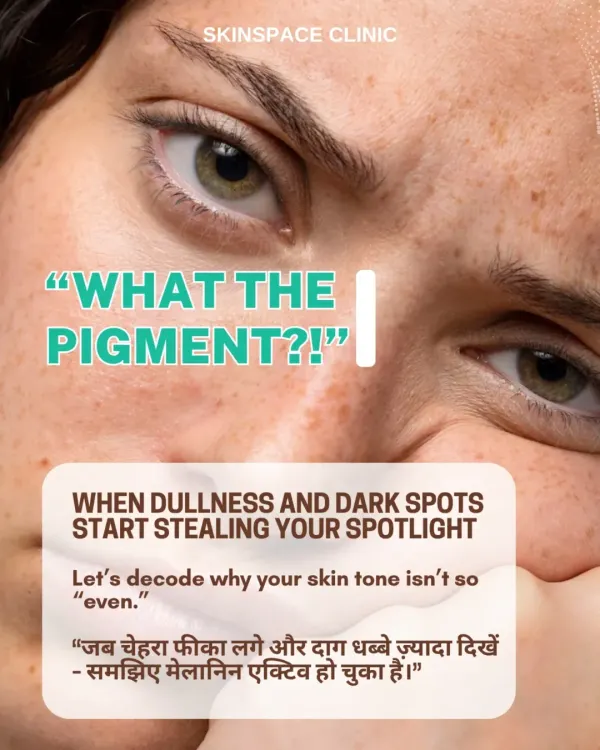 12
12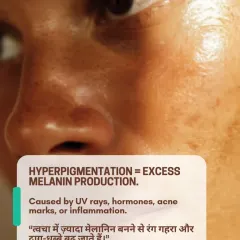
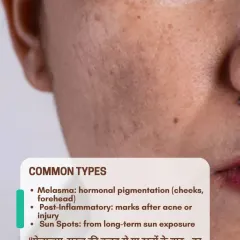
Treating Pigmentation, Melasma & Dark Spots
 23
23

Pigmentation, Melasma, and Sun Damage Correction
 6
6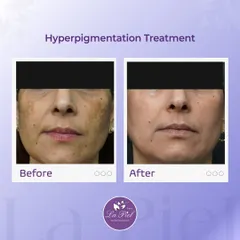
Pigmentation & Skin Tone Correction
More from Medical Dermatology (Skin Condition Treatment) by Bhagyashri Daulatabadkar
More services by Bhagyashri Daulatabadkar