Pigmentation, Melasma, and Sun Damage Correction
Pigmentation is rarely a simple cosmetic concern; it is a complex dermatological issue involving hormonal triggers, sun exposure, and skin health. My approach prioritizes precise diagnosis over temporary fixes, utilizing science-backed protocols to achieve lasting skin clarity.
Facial marks and discoloration can stem from a variety of underlying conditions. Understanding the specific cause, whether it is post-inflammatory hyperpigmentation, melasma, or another issue, is the first step toward creating an effective treatment plan.
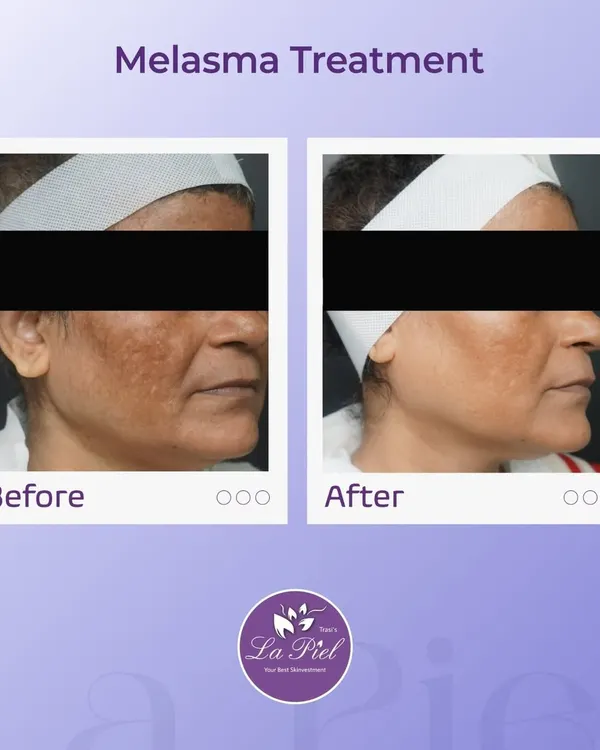
Melasma presents as patchy, brown, or grayish-brown marks on the face. It is a complex pigmentary disorder often triggered by a combination of hormonal changes, such as those during pregnancy, and sun exposure, which stimulates melanocytes.
At the Vidarbha Dermatological Society installation ceremony, I was honored to present on "Melasma Revisited." My talk and the subsequent panel discussion focused on advanced strategies for managing hyperpigmentation, a prevalent and challenging concern in dermatology.
As part of a global consensus panel for Eucerin, I collaborated with esteemed international and national faculty. Our focus was on unifying the approach to managing hyperpigmentation, a testament to my commitment to bringing world-class standards of care to my patients.
It was an honor to moderate a panel on hyperpigmentation management at a Eucerin event. We discussed pathbreaking molecules like Thiamidol for pigment correction, focusing on synthesizing a global consensus for comprehensive care.
Receiving recognition at the Eucerin hyperpigmentation event alongside my learned colleagues. Collaborative efforts like these are vital for advancing patient care and ensuring effective solutions are accessible.
Attending the Eucerin event in Mumbai, which focused on their 125-year commitment to dermatology and innovations in pigmentation care. Staying abreast of such advancements is a core part of my practice.
During my presentation, I addressed the biggest unmet needs in treating hyperpigmentation. A key focus was the need for safe and sustained long-term depigmentation options, which remains a critical goal in clinical practice.
A view of the panel discussion on bridging the gaps in hyperpigmentation management. Engaging in such discourse with fellow experts helps refine treatment protocols and improve patient outcomes.
As a panelist at the La Roche-Posay launch, I discussed the role of new molecules like MelaB3 in treating Post-Inflammatory Hyperpigmentation (PIH) and Melasma, particularly within the Indian skin phenotype.
About Pigmentation, Melasma, and Sun Damage
Pigmentation treatment is not a one-size-fits-all process. Before we discuss lasers or chemical peels, I use digital dermoscopy to visualize your subsurface skin layers. This allows us to differentiate between superficial sun spots and deeper, hormonal melasma, ensuring we treat the actual root cause of your discoloration rather than just the surface layer.
Understanding Pigmentation and Melasma
Many patients arrive at my Mumbai clinic having tried various over-the-counter creams without success. The reality is that pigmentation—whether it is melasma, post-inflammatory hyperpigmentation (PIH), or solar lentigines—requires a diagnosis-first approach. Melasma, for instance, is a chronic pigmentary disorder often linked to hormonal fluctuations and UV exposure. It cannot be 'cured' with a single laser session; it requires a structured management plan.
My Diagnostic and Treatment Philosophy
My practice is rooted in evidence-based medicine. We do not apply the same laser settings to every patient. We assess your skin type, history, and the depth of the pigment.
- Medical Chemical Peels: I use clinical-strength acids like Salicylic and Glycolic to exfoliate dead skin cells and control active triggers. This is not a facial; it is a controlled medical procedure with precise neutralization.
- Q-Switch Laser Toning: For stubborn, deep-set pigmentation, I utilize Q-Switched Nd:YAG laser technology. This FDA-approved modality shatters melanin deposits without damaging the skin surface, making it safe for Indian skin tones.
- Lifestyle Integration: A laser or peel provides the spark for improvement, but your daily routine sustains it. We audit your current regimen to ensure you are using proper pharmaceutical-grade actives like Thiamidol or Retinoids, rather than potentially irritating products.
Why Consistency Matters
Most pigmentation issues are persistent. Whether we are treating hormonal acne marks or sun-induced hyperpigmentation, the goal is long-term barrier repair and melanocyte regulation. We will discuss expectations honestly during your consultation. Some cases show improvement in weeks, while others require a sustained, multi-month strategy. My focus is on safe, evidence-based results that restore your skin's health, not on offering short-lived solutions.
Similar work from other experts
Browse through Curated picks from other experts on mytribe

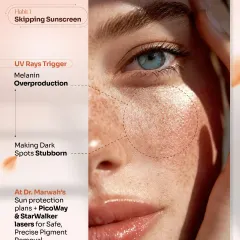

Effective Pigmentation and Melasma Treatment
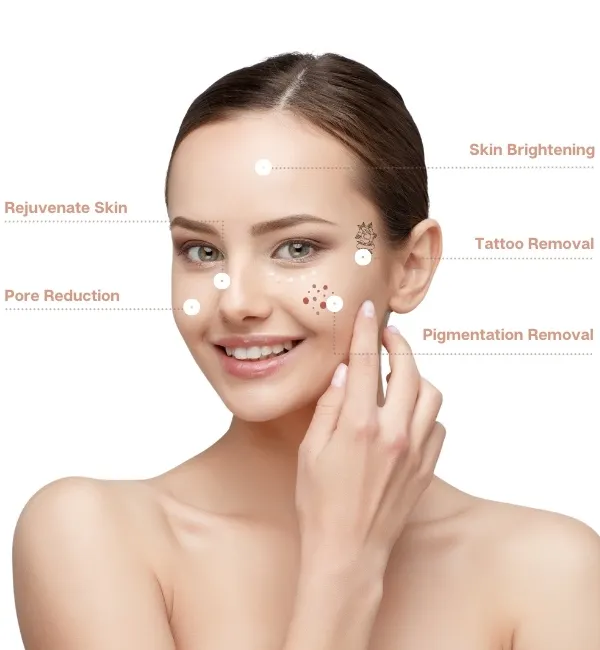 11
11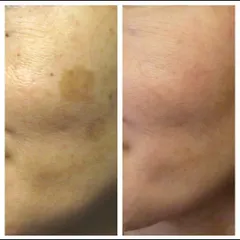
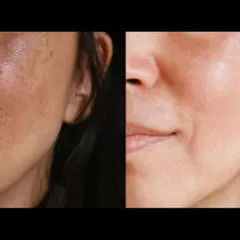
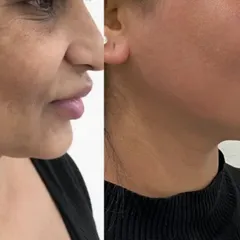
Pigmentation and Melasma Treatment
 6
6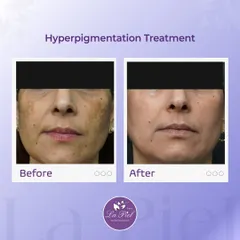
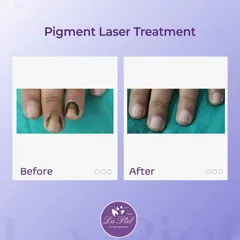
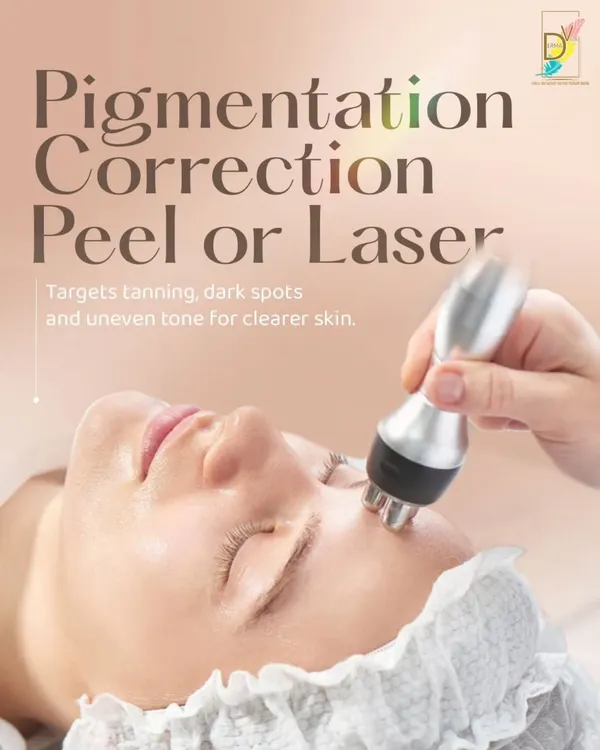
Pigmentation & Skin Tone Correction
 9
9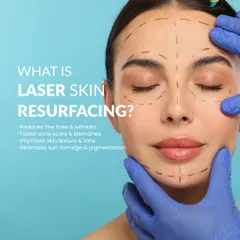

Advanced Pigmentation and Skin Toning Treatments
Advanced Pigmentation Correction for Clearer Skin
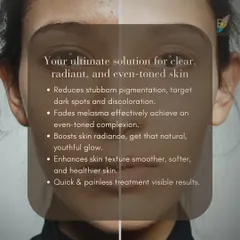
Pigmentation and Uneven Skin Tone Treatments
More from Medical Dermatology by Malavika Kohli
More services by Malavika Kohli