Learn the Truth About Your Pain and Recovery
We believe knowledge is the first step toward healing. Explore our library of myth-busters, recovery tips, and practical guides designed to help you understand your body better and make smarter health decisions.
This video debunks five common myths about physiotherapy. For example, many think it's painful, but a good physiotherapist always works with you to find comfortable and effective exercises.
Myth vs. Fact: Is rest best for all injuries? While rest is important, prolonged immobility can delay recovery. Guided physiotherapy is key to a safe and effective healing process.
Many people think physiotherapy is only for the elderly, but that's a myth. It benefits all age groups, from young athletes to adults managing chronic conditions.
This graphic introduces the top four recovery mistakes people make after an injury. Healing isn't guesswork; it's a strategy, and avoiding these mistakes is the first step.
Recovery Mistake #1: Resting too much. While rest is important, gentle movement is necessary to improve blood flow and speed up healing.
Recovery Mistake #2: Skipping physiotherapy sessions. Feeling better doesn't mean you're fully healed. Consistency is crucial for a complete and lasting recovery.
A call to action to avoid common recovery mistakes. Recovering smarter means seeking professional guidance for a strategic healing plan.
This post addresses a common concern about the cost of therapy. I focus on educating patients about the long-term value of physiotherapy, which includes pain relief, faster recovery, and even avoiding surgery.
My approach to patient care always starts with empathy. It's important that my patients feel heard and understood before we even begin treatment.
I always keep the door open for discussion about concerns, because your health is the top priority. My goal is to find a solution that works for you.
About Educational Library
A common mistake we see is assuming complete rest is the only solution for an injury. While resting is necessary for acute pain, prolonged immobility often leads to stiffness and delayed healing. True recovery requires a strategic balance of controlled movement and professional guidance—something we tailor to your specific condition during an assessment at our clinic.
Why We Share Our Knowledge
At Velocity Fitness Clinic, we believe an informed patient recovers faster. When you understand the 'why' behind your pain—whether it is sciatica, a sports strain, or post-surgery stiffness—you become an active partner in your rehabilitation rather than just a recipient of treatment.
Common Questions Answered
- Is physiotherapy just for the elderly? Not at all. It is a vital tool for young athletes managing performance injuries, office workers dealing with postural issues, and children needing developmental support.
- Is it a quick fix? Physiotherapy is a process, not a magic cure. Consistent clinic sessions combined with dedicated home exercises are the only way to ensure a complete, long-term recovery.
- Does therapy have to be painful? No. Our goal is to work with your body's limits, not against them. If you feel excessive pain during a session, communicate it immediately; that is a sign we need to adjust the intensity or technique.
Moving Beyond Painkillers
Many patients arrive at our Delhi clinics having relied on painkillers for months. These medications often mask the root cause of your discomfort. Our approach uses evidence-based techniques—like Dry Needling, cupping, or guided manual therapy—to address muscle knots and nerve compression directly. We document your progress digitally to ensure every session builds on the last, helping you return to your daily life faster.
Similar work from other experts
Browse through Curated picks from other experts on mytribe
 18
18


Physiotherapy Guides: Understanding Your Symptoms
 27
27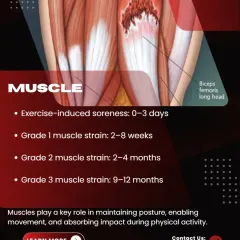
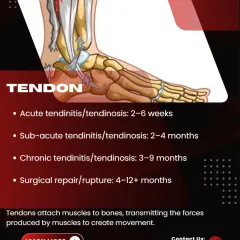
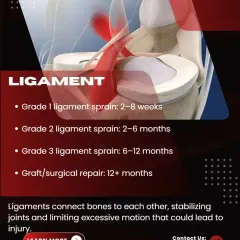
Understanding The Science of Movement for Athletic Performance


Physiotherapy Insights & Education: Move Better, Stay Stronger
 10
10

Physiotherapy Health and Wellness Guide
 9
9


Understanding Physiotherapy: Myths vs. Reality
 14
14
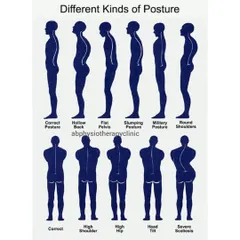

Understanding Your Pain: Physiotherapy Insights & Guides
More from Physiotherapy & Rehabilitation by Rajiv Mehta