Building Your Skincare Routine
A consistent skincare routine isn't about buying the most expensive products; it’s about using the right ones for your specific skin type. I’m here to help you move past internet trends and build a daily regimen that protects your skin barrier and delivers real results.
"Skin flooding" is a trend that involves layering multiple hydrating products. While it can help extremely dry skin, I warn that for anyone with acne-prone skin, this technique can clog pores and lead to severe breakouts.
Are you washing your face correctly? I explain the right technique: use only a pea-sized amount of a gentle cleanser, wash no more than twice a day, and always follow with a moisturizer on damp skin to protect your skin's natural barrier.
Facial shaving can be beneficial, but doing it wrong can cause harm. I provide essential rules to follow, such as never using a blunt razor, avoiding it on dry or irritated skin, and always applying moisturizer and sunscreen afterward.
Double cleansing isn't for everyone. I explain that this method is only necessary for those with very oily skin or who wear heavy makeup or thick sunscreen. For others, it can strip the skin and cause dryness.
How do you know if a new product isn't suiting your skin? I outline the key warning signs to watch for, such as redness, irritation, excessive dryness, or new breakouts, so you know when to stop using it.
To manage dry skin in winter, I recommend taking quick, lukewarm showers, applying a thick moisturizer to damp skin, and increasing your intake of omega-3 fatty acids through foods like walnuts and flax seeds.
The expiry date on a product is for when it's unopened. Once you open it, you need to follow the "period after opening" symbol, which is usually 6 to 12 months. I explain why using a product beyond this can reduce its effectiveness.
Skincare results take time and patience. I explain the typical timelines for seeing results: moisturizers work almost immediately, anti-acne products take 2-6 weeks, and skin lightening products can take 6-8 weeks.
While moisturizers should be applied to damp skin, active ingredients like retinoids, Vitamin C, and AHAs should be applied to dry skin. Applying them to damp skin can increase absorption too quickly, leading to irritation and hyperpigmentation.
How often should you wash your face? It depends on your skin type and the climate. I explain the ideal frequency for oily versus dry skin in both humid and cold weather to help you maintain a healthy skin barrier.
About Building Your Skincare Routine
Many people over-cleanse, stripping their skin of its natural barrier without realizing it. I often see patients using a harsh foaming face wash morning and night, which can cause more dryness than the products they're trying to combat. Your cleanser should leave your skin feeling clean, not tight or squeaky—if it feels tight, that’s your skin barrier crying for help. A pea-sized amount is all you need.
Your Skin, Your Rules
Skincare is not one-size-fits-all. What works for an influencer on social media might be causing your breakouts or worsening your pigmentation. My goal is to simplify your routine by focusing on the fundamentals:
- Cleansing: You do not need to wash your face constantly. Twice a day is the standard. If your face feels stripped, your cleanser is too harsh. We will audit your current cleanser to ensure it maintains your skin's pH balance.
- Layering Actives: The order of application matters as much as the ingredients. Did you know that applying actives like Retinoids or Vitamin C on damp skin can cause unnecessary irritation and hyperpigmentation? I teach my patients to save the damp application for your moisturizer, not your treatment serums.
- Product Expiry: The expiration date on the box is for unopened products. Once you break the seal, check the 'Period After Opening' symbol (the little open jar icon). Using products past this window is a common cause of ineffective results or hidden bacterial issues.
Why Start a Professional Routine?
- Stop the Guesswork: You don't need a 10-step routine. You need a routine that addresses your specific issues—whether it’s managing acne, preventing early fine lines, or simply maintaining a healthy barrier.
- Lifestyle Integration: Great skin is also about how you sleep, what you eat, and how you manage stress. My consultations look at the 'why' behind your skin issues, not just the surface symptoms.
- Safety First: No steroids, no dangerous home hacks, and no 'quick fix' fairness creams. We only use clinically proven methods to ensure your long-term skin health.
Ready to stop testing products that don't work? Let’s build a regimen that respects your skin’s biology.
Similar work from other experts
Browse through Curated picks from other experts on mytribe

How to Build a Daily Skincare Routine That Actually Works
Building a Scientific Skincare Routine
Build a Skincare Routine That Actually Works
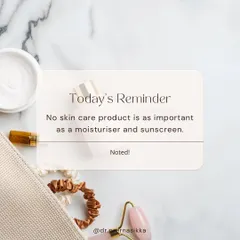

Build Your Science-Backed Daily Skincare Routine
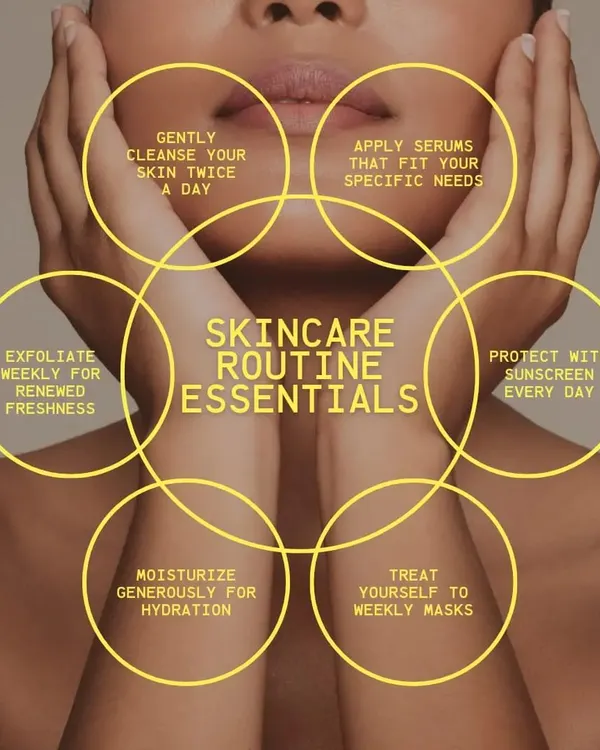 7
7Build Your Daily Skincare Ritual

Your Daily & Weekly Routine: A Science-Backed Plan for Your Skin
More from Personalized Skincare Consultation by Urmila Nischal
More services by Urmila Nischal