How Diet and Lifestyle Impact Your Skin Health
Great skin doesn't just come from a bottle. I’m Dr. Urmila, and here I break down how your gut health, daily habits, and environmental factors directly show up on your face.
There is a strong connection between your gut and your skin, known as the gut-skin axis. I explain how an imbalance in gut bacteria can show up as skin conditions like acne, rosacea, and psoriasis, and how prebiotics and probiotics can help.
If you have itchy skin, the most important thing to do is avoid scratching. I explain that pressing the area with a damp cloth or your palm can break the itch-scratch cycle and prevent the condition from worsening.
Even "healthy" snacks can be loaded with hidden sugar, a major enemy of clear skin. I show an example of how to read an ingredient label to uncover the high sugar content that could be causing your breakouts.
Everyday items can contain hormone disruptors that lead to issues like PCOS, thyroid problems, and infertility. I explain how chemicals in plastics, cosmetics, and even clothes can be absorbed by the skin and affect your health.
It's time to rethink your use of talcum powder. I explain the link between talc contaminated with asbestos and serious health risks, including lung fibrosis and certain cancers, and suggest safer alternatives like corn starch or kaolin clay.
Benzene, a known carcinogen, has been found in some cosmetic products like spray sunscreens and deodorants. I explain the sources of benzene exposure and the serious health risks it poses, such as blood cancers like leukemia.
I explain the sources of endocrine-disrupting chemicals (EDCs), which are found in everything from plastic containers and cosmetics to non-stick pans. While they can't be eliminated, making informed choices can reduce your exposure.
This post introduces the common triggers for dark circles. Understanding the science behind why they appear is the first step toward finding an effective solution for a brighter under-eye area.
Poor sleep is a primary cause of dark circles. Inadequate rest disrupts your skin's natural repair cycle, leading to poor microcirculation and making blood vessels under the eyes more visible.
High stress levels increase cortisol, which can affect blood circulation and skin structure, leading to dark circles. I recommend practicing relaxation techniques to manage stress for healthier skin.
About Lifestyle, Diet & Your Skin
If you are struggling with persistent acne, rosacea, or dull skin despite using expensive creams, the root cause might be your gut. When your gut microbiome is out of balance—often due to high sugar intake or processed foods—your skin reacts. It is rarely just about what you put on your skin; it is about what you put in your body that determines the long-term health of your skin barrier.
It's More Than Just Surface Level
Your skin is the mirror of your internal health. If you are applying top-tier products but ignoring the lifestyle factors that trigger inflammation, you are essentially trying to patch a leak while the tap is still running.
The Sugar & Breakout Connection
Commonly viewed as 'healthy' snacks often hide high sugar content. Excess sugar triggers insulin spikes, which increase sebum production and inflammation. This is why you might notice breakouts even when you are eating what you think is a clean diet. Always flip the packet and read the ingredient list—if sugar is in the top three, reconsider.
Hidden Dangers in Your Home
We are surrounded by endocrine-disrupting chemicals (EDCs) found in everyday items:
- Plastics: BPA-lined containers can mimic estrogen, disrupting your hormones.
- Cosmetics & Personal Care: Phthalates in fragrances and shampoos can impact your hormonal balance.
- Talcum Powder: Many powders contain traces of asbestos, which is why I strongly recommend alternatives like corn starch or kaolin clay.
- Benzene: Recent findings have detected this carcinogen in some spray sunscreens and deodorants. Stick to verified, dermatologically tested products.
The Science of Dark Circles
Dark circles are rarely just about 'tiredness.' While lack of sleep disrupts microcirculation, other factors include:
- Digital Eye Strain: Excessive screen time causes the blood vessels around your eyes to dilate.
- Nutrient Deficiencies: A lack of iron or vitamins can make the skin under your eyes appear thinner and darker.
- Sun Exposure: UV rays accelerate melanin production, darkening the periorbital area.
Blue Light & Premature Aging
Screens emit blue light that penetrates deeper than UVB rays. This leads to hyperpigmentation, collagen breakdown, and inflammation. To counter this, ensure your morning sunscreen provides blue light protection and take frequent breaks from digital devices.
Similar work from other experts
Browse through Curated picks from other experts on mytribe


Glow From Within: Diet and Lifestyle Changes for Better Skin
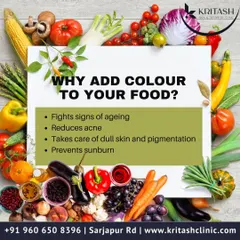
How Daily Habits and Lifestyle Impact Your Skin Health

Lifestyle Habits for Healthy, Glowing Skin
Nutrition for Healthy Skin
Healthy Habits: The Science of Diet and Lifestyle for Skin

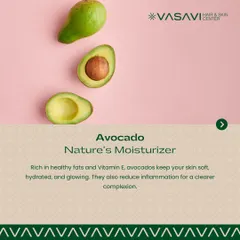

Diet and Lifestyle Tips for Clear Skin
More from Personalized Skincare Consultation by Urmila Nischal
More services by Urmila Nischal