Understanding Hair Loss & Thinning: The Science Behind Your Scalp
Hair loss isn't always the same story for everyone. Before you try another home remedy, let's look at the science behind your hair cycle and what your scalp is actually trying to tell you. Nimige Kannada gottidre, naavu Kannadadalli kuda maathadabahudu.
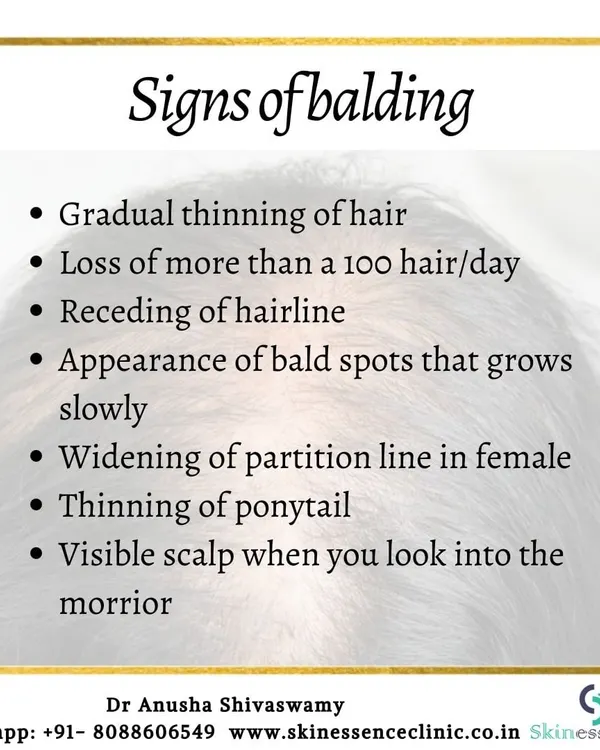
Don't ignore the early signs of balding. A receding hairline, a widening partition, or thinner hair shafts are all indicators that you need to act fast. Early intervention is the key to saving your hair.
Losing 50 to 100 strands a day can be normal, but it's not the full story. I explain why you should also monitor your hair volume and scalp visibility, as thinning is a more critical sign of pattern hair loss.
Did you know you are born with all the hair follicles you will ever have? I explain the life cycle of a hair follicle and why it is impossible to grow new ones, underscoring the importance of treating hair thinning before the follicle is gone forever.
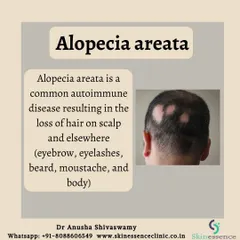
Sudden bald patches can be alarming. I discuss the potential causes, from autoimmune conditions like Alopecia Areata and stress-related Trichotillomania to fungal infections like scalp ringworm.
Just like your skin, your hair ages. I explain the natural process of hair aging, which includes becoming coarser, thinner, and grey as melanin production decreases, making it more vulnerable to damage.
About Understanding Hair Loss & Thinning
The biggest mistake I see is panic-buying oils before knowing the root cause. If you're noticing your partition widening or your ponytail feeling thinner, that isn't just normal shedding—it's likely a signal from your follicles. I use digital trichoscopy to see exactly what's happening at the root level, so we don't waste time on treatments that won't work for your specific hair type.
Why Diagnosis Comes Before Treatment
Most people come to me after trying several 'miracle' oils or serums that failed. Hair loss is a complex issue. Losing 50 to 100 strands a day is a normal part of the cycle, but if you are seeing scalp visibility where there was once density, or if your hair shaft diameter is decreasing, you are likely facing a medical issue—not just a bad hair day.
The Science of Your Follicles
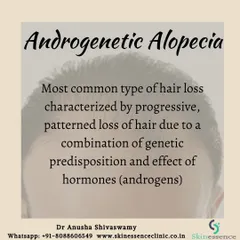
You are born with a fixed number of hair follicles. They cannot be regrown once the follicle is permanently lost. This is why early intervention is critical in cases of pattern hair loss. Through digital trichoscopy, I examine your scalp in real-time to assess follicular density, inflammation, and health. This helps me determine if we are dealing with nutritional deficiencies, hormonal imbalances, or autoimmune conditions like Alopecia Areata.
What We Address
At Nirmal Skin & Hair Clinic, I focus on evidence-based protocols. We move beyond cosmetic fixes to address the underlying physiology:
- Root Cause Analysis: We look at your blood reports, diet, and stress markers.
- Clinical Interventions: From Exosome therapy and Growth Factor Concentrate (GFC) to medical scalp botox for severe dandruff, we use FDA-approved methods to stimulate dormant follicles.
- At-Home Hygiene: I will help you fix your routine. From using RO water if your supply is hard, to applying topical minoxidil the right way, small habits make the biggest difference.
Stop guessing the cause of your thinning. Let’s identify the issue with clinical accuracy so you can focus on effective regrowth.
Similar work from other experts
Browse through Curated picks from other experts on mytribe
Understanding Hair Loss: Root Causes and Medical Solutions
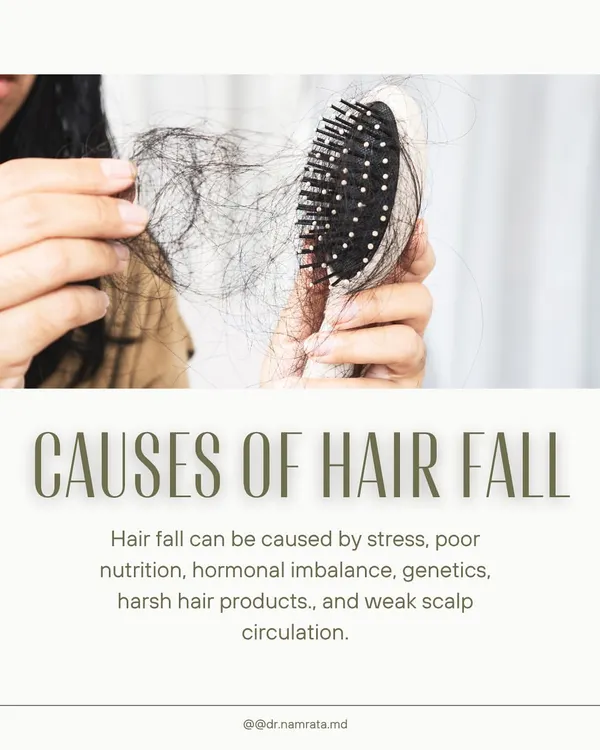 10
10Getting to the Root of Your Hair Loss
Finding the Root Cause of Hair Loss
 11
11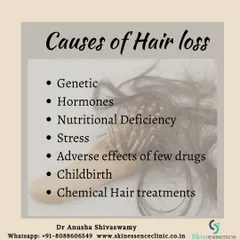
Understanding Your Hair and Scalp Health

Identifying the Root Cause of Hair Loss
 5
5

Understanding Hair Loss: Causes, Solutions, and Expert Care
More from Advanced Hair & Scalp Treatments by Urmila Nischal
More services by Urmila Nischal